
Metallurgy
Steel mill dust collection
Central or local extraction for material handling, furnaces and finishing operations.
- High dust load
- Abrasive particles
- Large-volume duct systems
Air volume, dust properties, temperature, moisture, process layout and operating pattern determine the right collector, filter media and discharge arrangement.
Explore applicationsEach card highlights the main capture point and practical equipment direction. Final selection should be based on tested process data and site conditions.
Central or local extraction for material handling, furnaces and finishing operations.
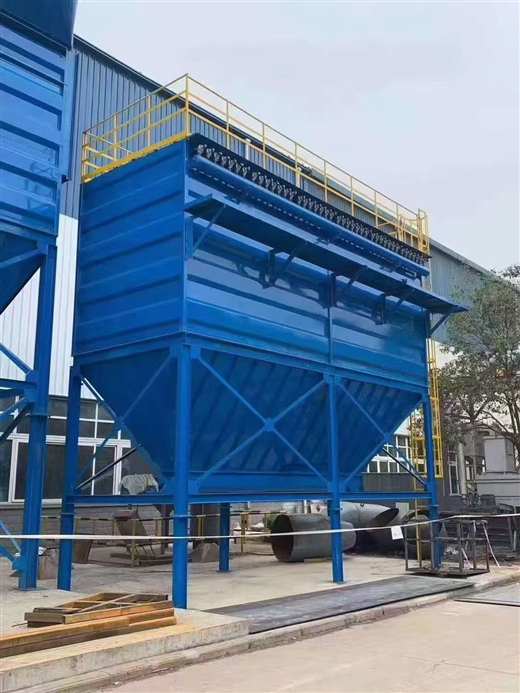
Baghouse filtration for coal handling and process flue gas after temperature and gas-condition review.
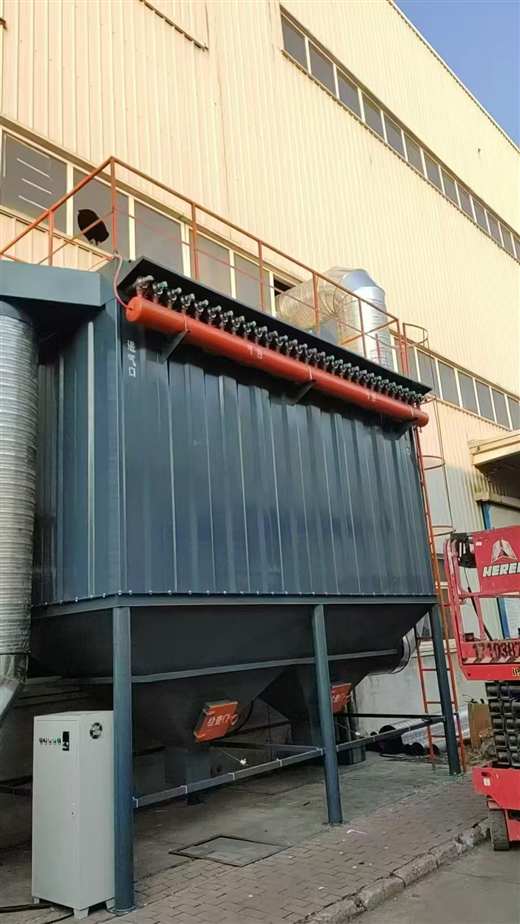
Capture hoods and negative-pressure extraction around screen decks and discharge points.

High-capacity filtration arranged around sintering process gas and material-transfer dust.
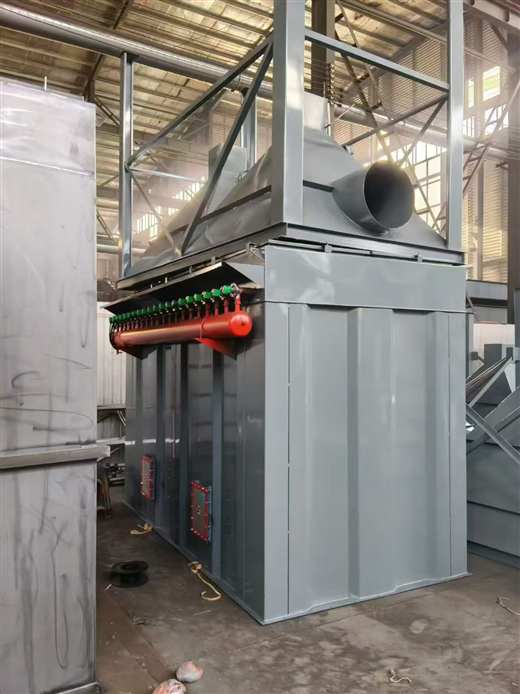
Dust capture for crushing, mixing, forming, transfer and kiln-related handling points.

Enclosures, hoods and rugged baghouse systems for primary and secondary crushing points.
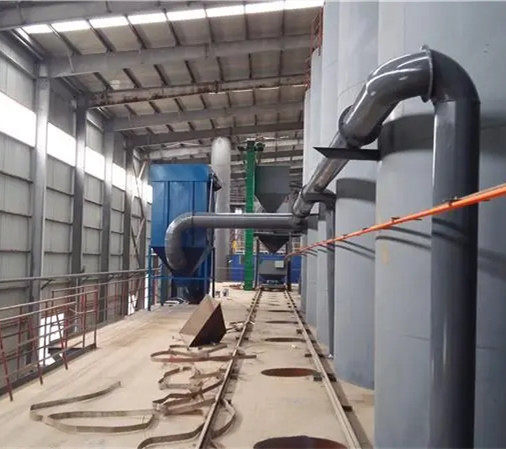
Large-volume fume extraction with cooling, spark control and suitable high-temperature media.
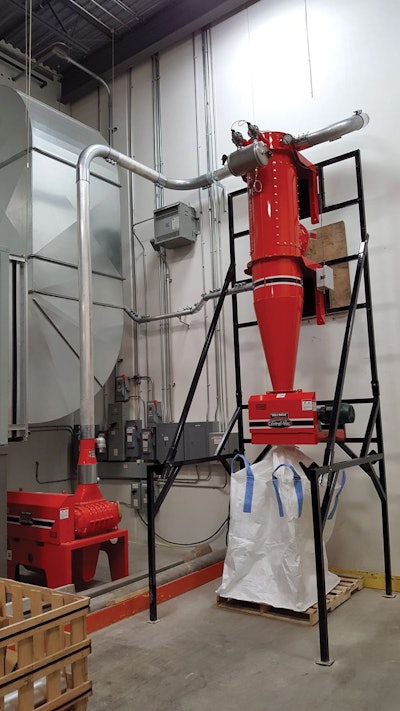
Point-source collection for receiving, grinding, mixing, conveying and bagging lines.

Dust collection for elevators, conveyors, cleaners, mills and packaging equipment.
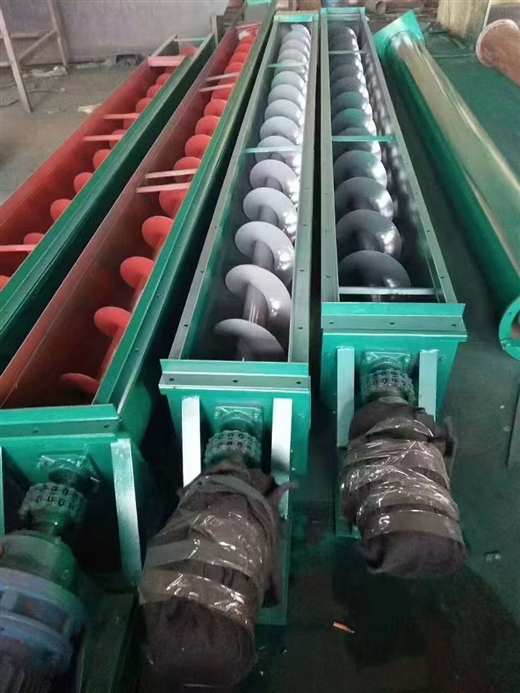
Ventilation and product-recovery filtration for mill discharge, separators and transfer equipment.
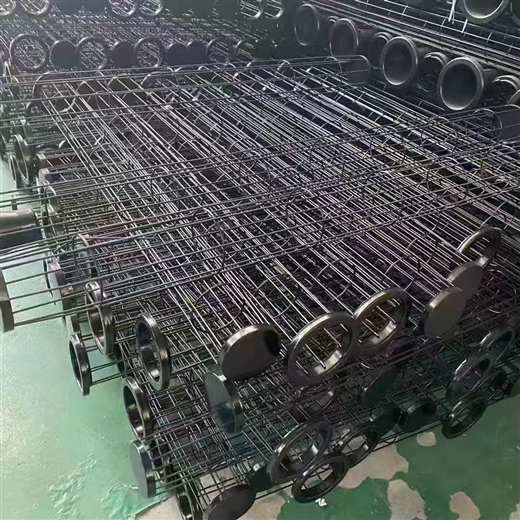
Capture hoods, enclosed conveyors and high-capacity baghouses for loading and transfer points.
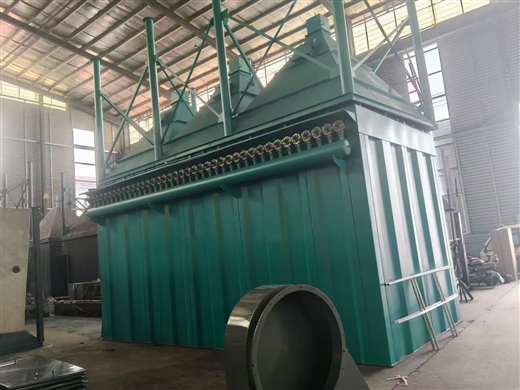
High-temperature dust collection coordinated with gas cooling and suitable filter media.
Compact vent filters for pneumatic filling, material displacement and discharge points.
Baghouse or cartridge units for sawdust, chips, sanding and woodworking lines.
Enclosed conveying, spark-risk review and application-selected filtration for combustible dust.
High-temperature filtration coordinated with cooling and upstream gas-treatment stages.
Systems designed around temperature, moisture, corrosion and required outlet conditions.
Local hoods and ducting for loading, unloading and belt-to-belt transfer stations.
Share the process, dust type, air volume, temperature and installation space.