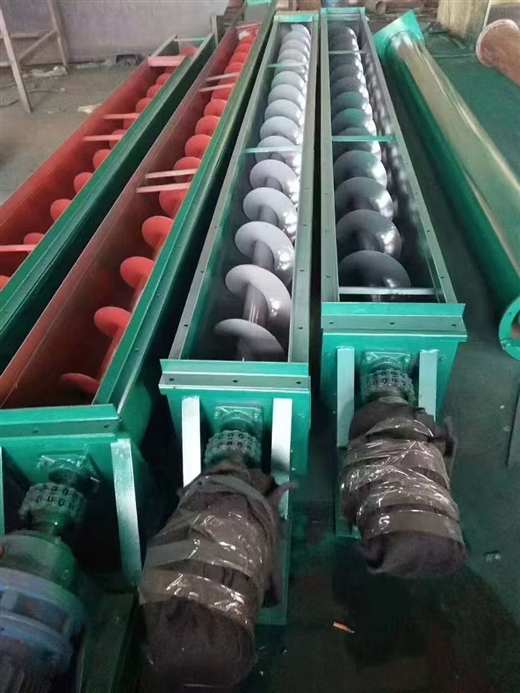
 High temperature
High-temperature pulse-jet baghouse
For boiler, kiln, incinerator, sinter and hot process exhaust with cooling and high-temperature filter media.
Ask about high-temp baghouseBaghouse, cartridge, plastic-sintered plate and supporting components for silo dust, conveyor transfer points, material handling and flue-gas dust control.
Back to dust collection guideRequest a quoteProduct cards show the core equipment families for common industrial dust-control applications. Send the operating conditions for sizing and filter-media selection.
High temperatureFor boiler, kiln, incinerator, sinter and hot process exhaust with cooling and high-temperature filter media.
Ask about high-temp baghouse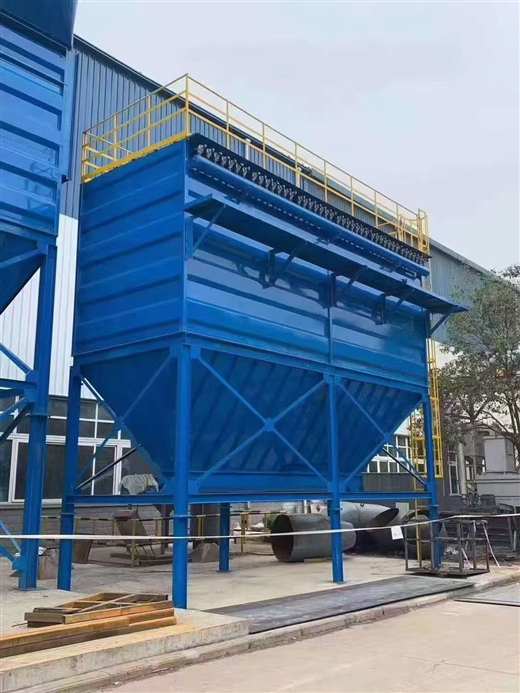 General duty
For silos, conveyors, crushers, screens, feed mills and dry material handling at moderate temperature.
Ask about sizing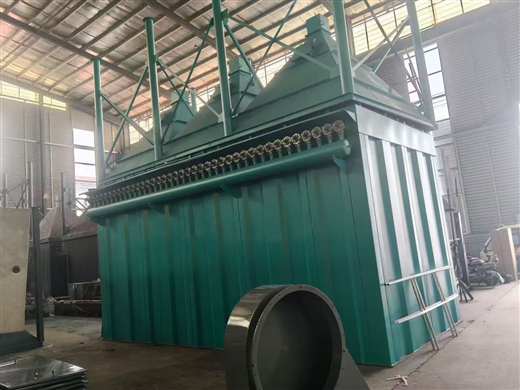 Durable plate media
Rigid, cleanable sintered plate media for sticky, abrasive or moisture-sensitive process dust.
Ask about plate media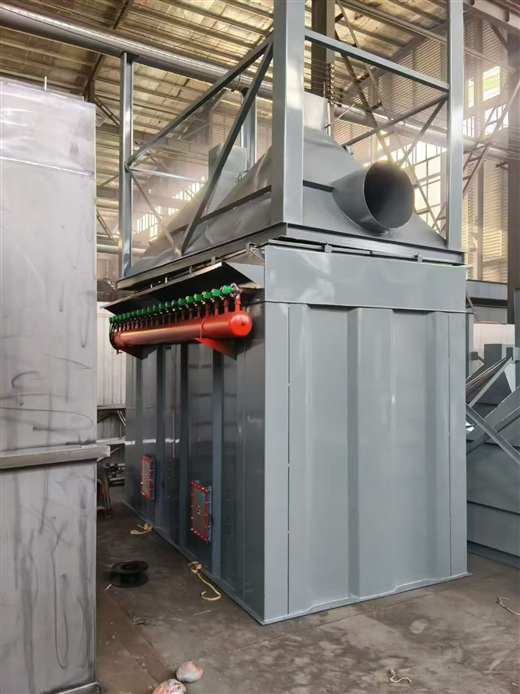 Compact footprint
Pleated cartridges for fine dry dust, woodworking, grinding and space-constrained installations.
Ask about cartridges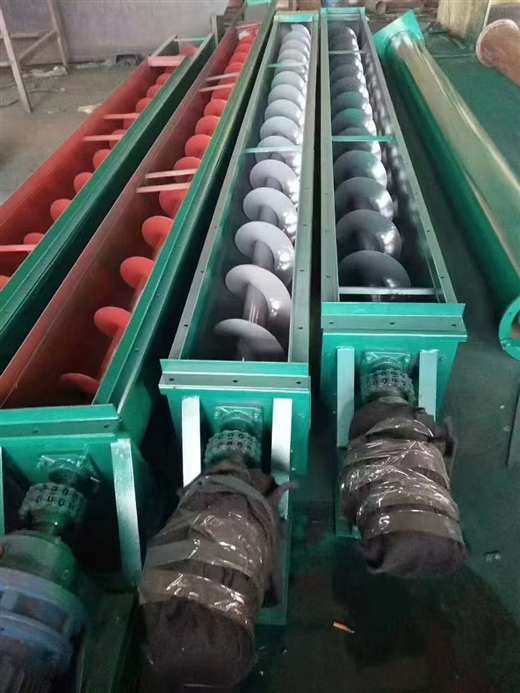 Point source
Compact filtration for silo filling, bin venting and discharge points with optional fan and pulse controls.
Ask about silo filter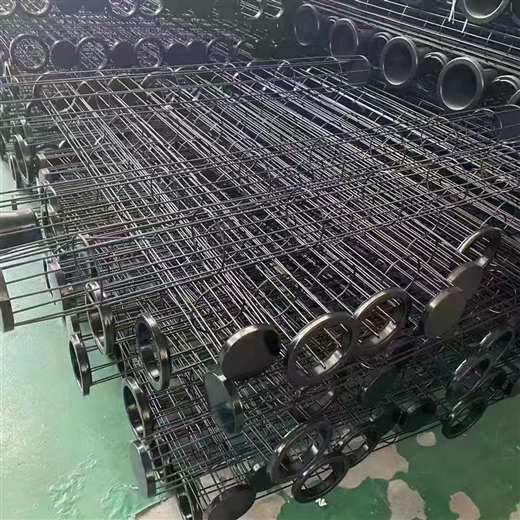 Replacement parts
Screw conveyors, pulse solenoid valves, cages, venturis, controllers and star discharge valves.
View accessoriesBaghouse systems are usually preferred for high dust loads and large air volumes. Cartridge systems are often preferred where compact footprint, fine-dust capture or quick changeout matters.
| Condition | Typical product direction |
|---|---|
| High temperature | High-temp baghouse + cooling |
| Fine dry dust / limited space | Cartridge collector |
| Sticky / abrasive dust | Plastic-sintered plate |
| Large volume / heavy load | Pulse-jet baghouse |
| Spare parts and service | Filter bags, cages, valves and discharge equipment |
Send material, airflow, temperature, dust concentration and operating condition. We will match the collector and replacement media.
Request a quoteThe three collector families solve different problems. A baghouse handles high dust loading and higher temperature; a cartridge collector gives the most filter area in the smallest footprint; a sintered-plate collector is chosen where the dust is sticky, abrasive or electrically conductive enough that conventional media fails quickly. The choice is driven by the dust, not by the price list.
| Collector | Media | Best for | Where it struggles |
|---|---|---|---|
| Baghouse | Woven or felted fabric bags | High dust loading, high volume, higher temperature | Large footprint; needs spacing between bags |
| Cartridge | Pleated media in a compact frame | Fine dust, indoor installation, limited space | Sticky or moist dust blinds the pleats |
| Sintered plate | Rigid sintered metal or ceramic plate | Abrasive, high-temperature or chemically aggressive dust | Higher capital cost per unit area |
| Cyclone | No media, centrifugal separation | Coarse dust, pre-cleaning, spark capture | Low efficiency on particles below 10 µm |
Every collector is sized on air-to-cloth ratio: the airflow divided by the filtration area. A collector selected on airflow alone will run at too high a ratio, the pressure drop will climb, and the media will fail early. The ratio itself depends on the dust — fine, light dust tolerates a higher ratio than fine, cohesive dust.
For the same airflow it is often smaller and less expensive to install, but not always cheaper over life: cartridge media is replaced as a unit and can be more costly per year where dust loading is high. The comparison has to include media consumption, not just capital cost.
Where conventional media fails repeatedly — abrasive dust that wears the fabric, high temperature that rules out polymer media, or a process where the collector cannot be shut down often for media changes.
Yes, provided the ducting is balanced and each branch has a damper. The risk is that one damper left closed changes the airflow through the others and the collector no longer runs at its design point.