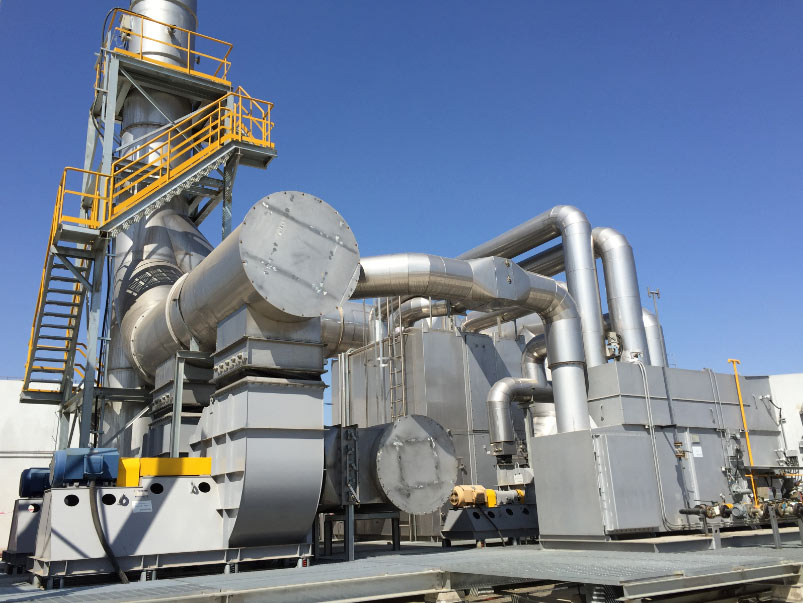

Compact filtration for silo filling, bin venting and discharge points, with optional fan and pulse controls — keeps material handling dust inside the system.
Key features
Click image to enlarge
Frequently asked questions
Where is a silo vent filter used?
On silos, bins and hoppers to filter displaced air during pneumatic filling, and to control dust at discharge points.
How is it cleaned?
By pulse-jet cleaning, with an optional fan where suction assistance is needed.
What sizes are available?
Sizing is based on fill rate and air displacement. Send your silo size, filling rate and material for a recommendation.
How is a silo vent filter sized?
Sizing is based on the air volume displaced during filling, which depends on the filling rate and the material’s bulk density. Send the silo size and filling rate and we will recommend the filter area.
Does it need an external power supply?
Pulse-jet cleaning needs a compressed air supply; an optional fan needs power. Simple gravity vent filters can operate without power if the flow is low enough.
What is a Silo Vent Filter?
A silo vent filter is a compact dust filter mounted on a silo, bin or hopper to clean the air displaced during filling. It keeps material and dust inside the storage system, prevents venting to the atmosphere and protects the surrounding area from fugitive dust.
How it works
During pneumatic or mechanical filling, the displaced air passes through the filter media. Dust is captured on the media while clean air is released. A pulse-jet cleaning system periodically dislodges the dust back into the silo, so the filter continues to vent efficiently without manual cleaning. An optional fan provides suction assistance where the natural vent flow is not sufficient.
Typical applications
- Cement, lime and mineral silos
- Flour, starch and food ingredient silos
- Plastic and chemical powder silos
- Bin and hopper venting in material handling
- Truck and rail loading points
Key selection parameters
- Silo volume and filling rate (air displacement)
- Product type, density and dust characteristics
- Available headroom and connection size
- Whether pulse cleaning or a fan is required
- Explosion protection requirements for combustible powders
Related dust collection equipment
Need this dust collector sized for your process?
Send your dust source, airflow, temperature, dust load and operating conditions. We will recommend a practical system and filter configuration.