Application review
Dust source, air volume, temperature, moisture and installation limits are reviewed.
Engineering, steel fabrication, assembly, inspection and delivery are coordinated around the actual process conditions of each dust-control project.
See the workshopOur workshop supports the fabrication and assembly of pulse-jet baghouses, cartridge dust collectors, silo vent filters, plastic-sintered plate collectors and related dust-discharge components.
Before fabrication, the solution is matched to air volume, dust properties, inlet temperature, moisture, installation space, cleaning method and discharge arrangement. This helps the final equipment fit the site instead of forcing the site to fit a standard box.
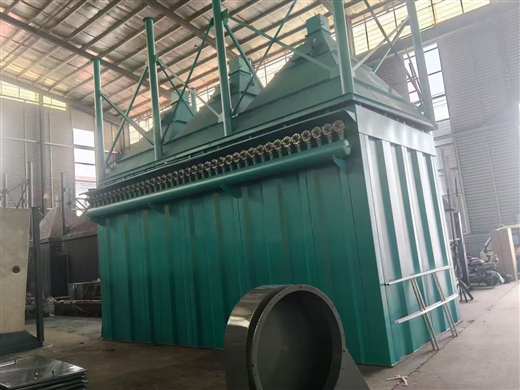
Each stage is connected, so equipment dimensions, filter arrangement, pulse cleaning and discharge components work together as one dust-control system.
Dust source, air volume, temperature, moisture and installation limits are reviewed.
Collector type, filtration area, hopper, duct interfaces and access points are arranged.
Housing panels, frames, hoppers, platforms and connection sections are fabricated.
Filter elements, cages, pulse valves, manifolds and discharge equipment are installed.
Key dimensions and assemblies are checked before packing and dispatch.
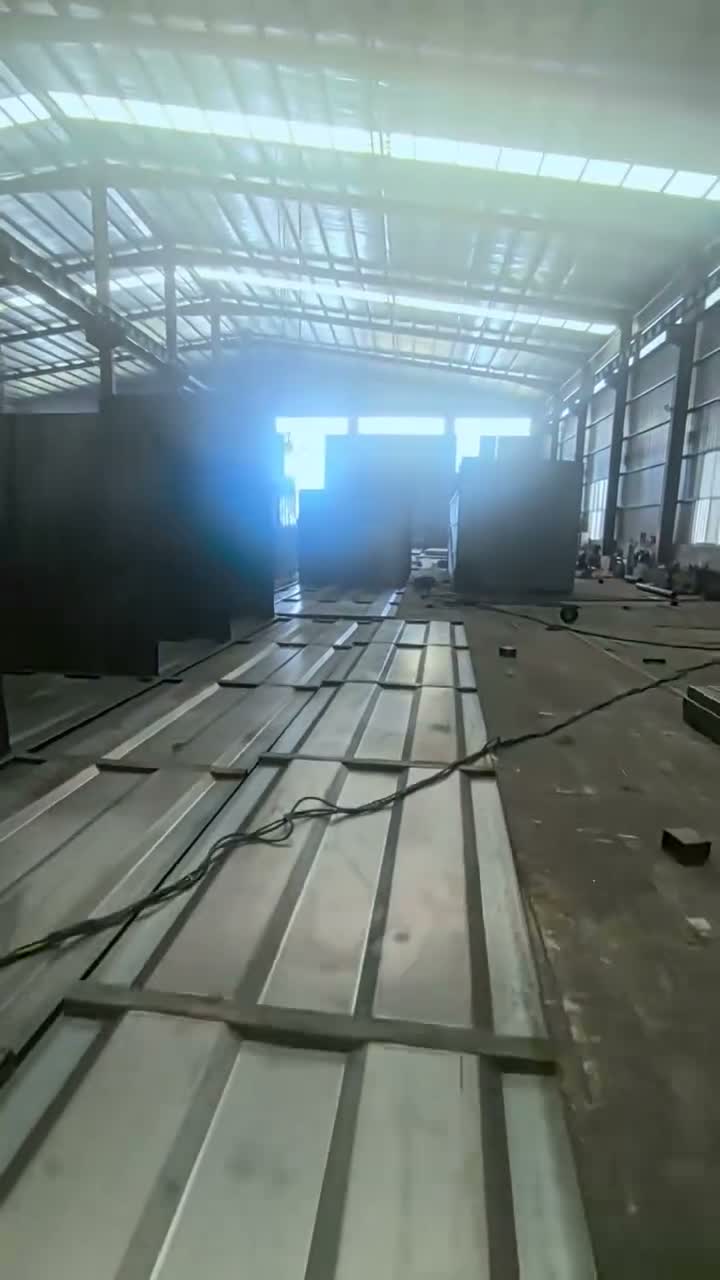
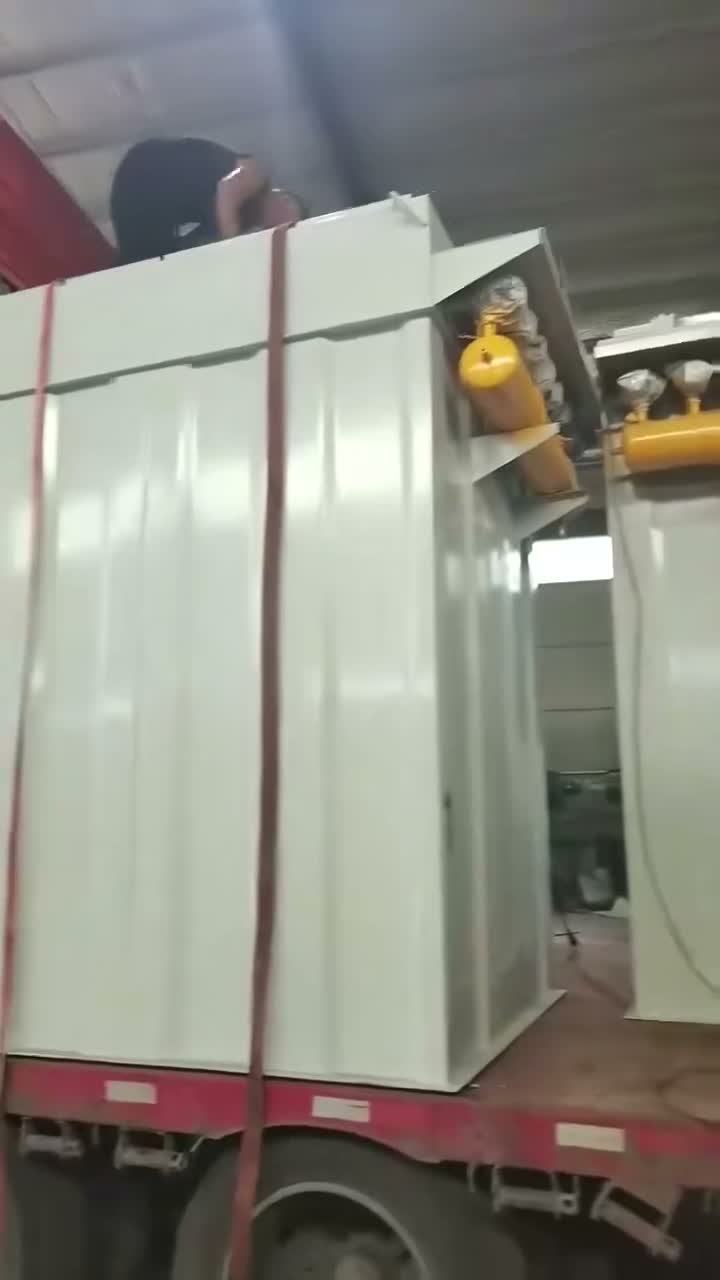
Two short, real-world views of the manufacturing floor and completed dust collectors prepared for shipment.
Collector housings and structural sections in the fabrication area.
Completed pulse-cleaning dust collectors prepared for transport to site.
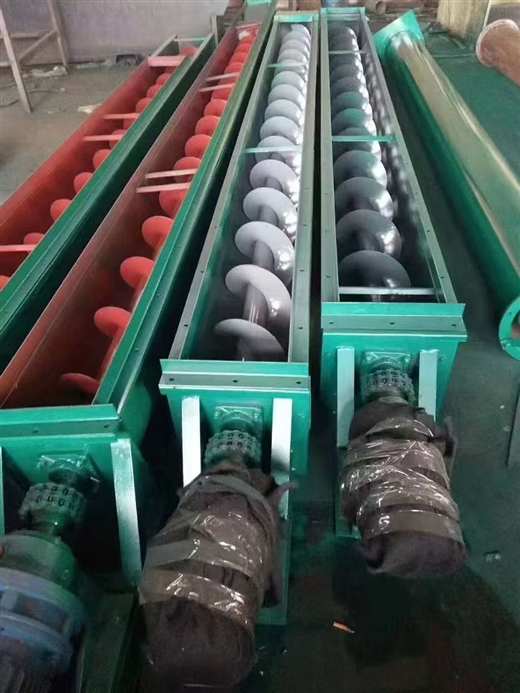
High- and low-temperature pulse-jet configurations with application-matched filter media.
Cartridge collectors and silo vent filters for point-source and space-limited installations.
Rigid filtration elements for suitable abrasive, sticky or moisture-sensitive dust duties.
Screw conveyors, star discharge valves and hopper arrangements for collected-dust handling.
Air manifolds, pulse solenoid valves, blow pipes and controllers assembled as one cleaning system.
Inlet, outlet, platform, access and duct connection positions coordinated with the installation layout.
A collector is a fabricated pressure vessel with a filter inside it, so the factory assessment is mostly about fabrication discipline and documentation, not about showroom equipment.
| Area | What to look for | Why it matters |
|---|---|---|
| Design | Air-to-cloth calculation, structural calculation for wind and seismic load, hopper angle for the dust | Determines whether the unit performs at the specified airflow |
| Fabrication | Plate thickness, weld quality, internal bracing, surface treatment before painting | Governs service life and leakage |
| Media | Media grade, finish, gasket material, bag or cartridge tolerances | Media is the component that actually separates the dust |
| Assembly | Tube sheet flatness and seal, pulse valve and manifold layout, access doors | Leakage past the tube sheet bypasses the filter entirely |
| Testing | Leak test, fan performance, control sequence check | Catches assembly faults before shipment |
| Documentation | Drawings, material certificates, media specification, O&M manual | Needed for the client inspector and for later maintenance |
A hopper that is too shallow for the dust's angle of repose bridges, and the dust no longer discharges. The angle has to be selected from the actual material, not from a standard drawing.
Tube sheet leakage and poor surface preparation before painting. The first bypasses the filter, the second shortens the housing life — both are invisible until the unit is in service.
Where the system resistance is fully defined, a packaged fan and collector removes interface risk. Where ductwork is extensive or variable, the fan is often specified separately against the calculated system curve.
Share air volume, temperature, dust type, process and installation space for a matched proposal.