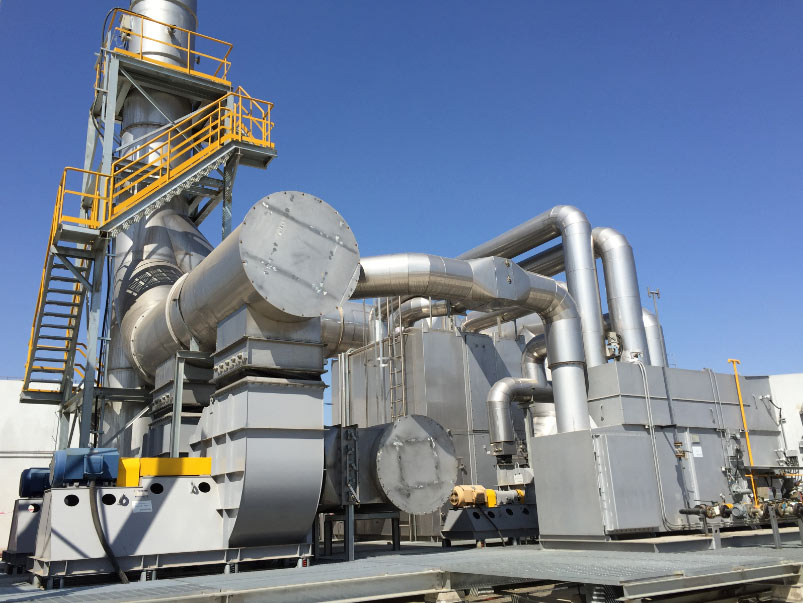

RTO Ceramic Heat-Recovery Media
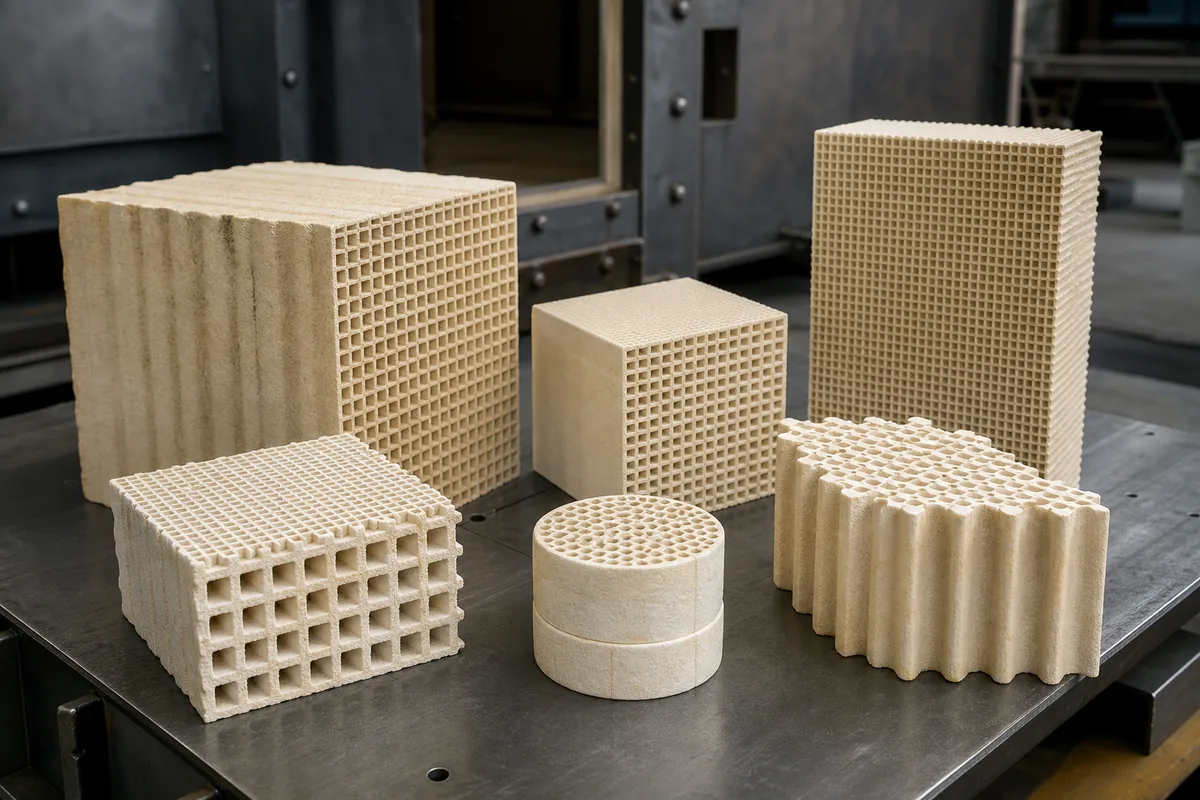
Ceramic media is the regenerative heat exchanger inside an RTO. Its geometry, material, packing arrangement and condition influence thermal recovery, pressure drop, fan power, temperature distribution and maintenance frequency.
Discuss your RTO projectWhat should be evaluated during component selection?
Structured vs. random media
Structured blocks can provide predictable flow channels and lower pressure drop, while random packing may be selected for specific temperature, cleaning or fouling conditions. Selection is based on the actual exhaust composition and operating strategy.
Thermal performance
Heat capacity, surface area, material density and cycle timing determine how effectively energy is stored and returned to the incoming process stream. Efficiency claims should be verified against the complete system heat balance.
Pressure drop and airflow
Media depth, channel size, fouling allowance and bed support design affect pressure loss and flow distribution. Uneven packing or blocked channels can increase fan energy and create temperature imbalance.
Contamination and cleaning
Particulate, condensed organics and inorganic deposits may plug or coat the media. Differential pressure and temperature profiles should be trended to determine when inspection, bake-out, cleaning or replacement is required.
Mechanical and thermal durability
Media must tolerate repeated heating and cooling, bed loading and the chemical environment. Support grids, retaining systems and access arrangements are part of the design.
Selection information
Required inputs include gas composition, particulate loading, condensable content, operating temperature, desired pressure drop, switching cycle and cleaning approach.
Component performance must be evaluated at system level
An RTO is not a collection of independent parts. Media pressure drop changes fan duty; valve leakage affects destruction efficiency; burner turndown affects temperature stability; and PLC logic coordinates each operating state.
Final selection should be based on the complete waste-gas analysis, required outlet limits, operating schedule, site utilities and maintenance strategy.
Related RTO technical pages
RTO Ceramic Heat-Recovery Media questions
How long does RTO ceramic media last?
Service life varies widely with gas composition, thermal cycling, particulate loading, chemical attack and maintenance. Condition should be assessed from pressure drop, temperature distribution and physical inspection rather than a fixed calendar interval.
Can RTO media be cleaned?
Some deposits can be removed by controlled bake-out, dry cleaning or off-site washing, depending on the media and contaminant. The cleaning method must avoid damaging the ceramic and support system.
What causes high pressure drop across the media bed?
Common causes include particulate or condensable buildup, damaged media, uneven settling, incorrect packing and restricted supports. The complete bed should be inspected before replacement decisions are made.
Send your VOC data for preliminary RTO sizing
Share airflow, VOC composition, concentration range, inlet temperature and operating schedule. Our engineering team will review the process conditions before recommending a configuration.
RTO ceramic media selection and pressure drop
Ceramic media stores and releases heat as the RTO flow direction changes. The correct media arrangement depends on heat-recovery duty, airflow, dust loading, thermal shock, pressure drop and the condition of the incoming gas.
- Heat capacity and operating temperature range
- Block or structured packing arrangement and bed height
- Pressure drop at normal and peak airflow
- Dust, oil, condensable and particulate loading before the bed
- Inspection, cleaning, breakage and replacement access
High dust or condensable loading may require pretreatment before the ceramic bed. Compare the media choice with the ceramic pressure-drop guide, RTO sizing guide and maintenance page.