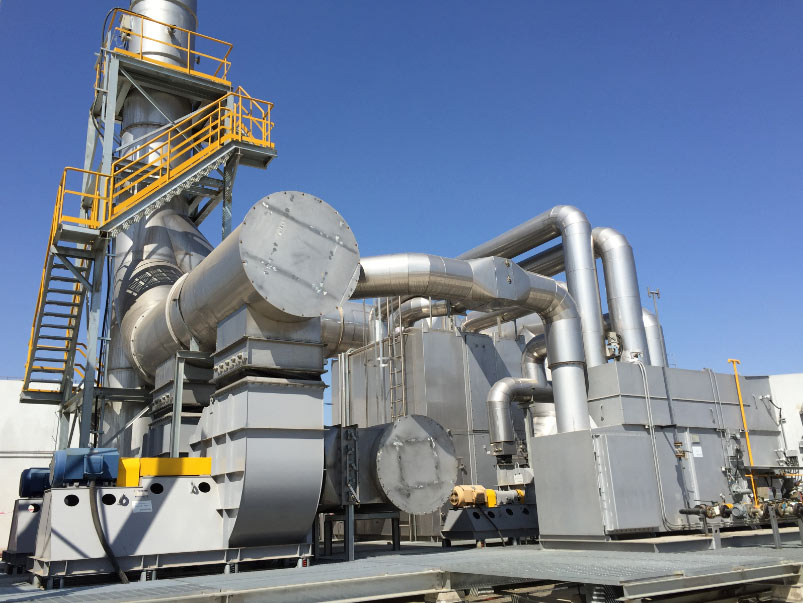

Microwave ultraviolet oxidation equipment for odor control
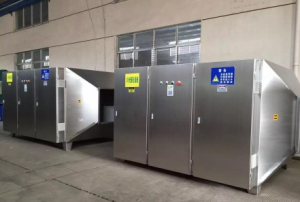
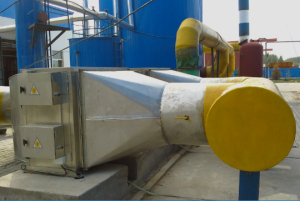
Product Overview
The Microwave UV Oxidation System is an advanced oxidation technology designed for industrial air pollution control, wastewater treatment, odor removal, and sterilization applications. The system combines microwave energy, electrodeless ultraviolet light, ozone generation, and photocatalytic oxidation to create multiple oxidation pathways for contaminant degradation.
Unlike conventional UV systems that rely on electrode-based lamps, microwave UV technology uses microwave energy to excite electrodeless lamps, producing stable ultraviolet radiation and ozone generation without electrode deterioration. This design reduces maintenance requirements and extends operating life in demanding industrial environments.
The technology is particularly suitable for the treatment of low to medium concentration organic pollutants, odor compounds, and difficult-to-degrade contaminants found in industrial exhaust gases and wastewater streams.
Key Features
Electrodeless UV Technology
The absence of electrodes eliminates lamp blackening and electrode wear, providing longer operating life and more stable UV output.
Multi-Stage Oxidation Mechanism
The system combines ultraviolet photolysis, ozone oxidation, microwave activation, and optional photocatalytic reactions to improve pollutant degradation efficiency.
Extended Service Life
Electrodeless UV sources can operate for more than 60,000 hours under normal operating conditions, significantly reducing replacement frequency compared to conventional UV lamps.
Low Maintenance Requirements
Fewer consumable components and simplified system architecture help reduce routine maintenance and operating costs.
Flexible System Design
Available for air treatment, wastewater treatment, odor control, and integrated advanced oxidation applications.
Typical Technical Specifications
| Parameter | Typical Value |
|---|---|
| Energy Source | Microwave Generator |
| UV Wavelengths | 185 nm / 254 nm |
| Oxidants Generated | O₃, Hydroxyl Radicals (·OH) |
| UV Source Life | >60,000 Hours |
| Operating Temperature | Ambient – 400°C |
| Control System | PLC-Based Automation |
| Construction Material | Carbon Steel, SS304, SS316 |
Specifications may vary according to project requirements and operating conditions.
Working Principle
Microwave Excitation
Microwave energy excites electrodeless UV lamps, generating high-intensity ultraviolet radiation without traditional lamp electrodes.
Ultraviolet Photolysis
The UV radiation breaks chemical bonds within organic pollutants, reducing molecular complexity and increasing oxidation efficiency.
Ozone Generation
UV wavelengths around 185 nm convert oxygen into ozone, providing an additional oxidation mechanism for pollutant destruction.
Advanced Oxidation Reactions
Ozone, ultraviolet energy, and optional catalysts generate highly reactive hydroxyl radicals capable of oxidizing complex organic compounds.
Final Conversion
Organic contaminants are converted into simpler compounds, primarily carbon dioxide, water vapor, and inorganic byproducts depending on the pollutant composition.
Applications
Industrial VOC Treatment
Suitable for treatment of exhaust gases containing:
Benzene
Toluene
Xylene
Alcohols
Ketones
Aldehydes
Sulfur-containing compounds
Common industries include:
Chemical manufacturing
Pharmaceutical production
Coating and painting facilities
Printing operations
Food processing plants
Odor Control
Effective for odor reduction in:
Wastewater treatment plants
Municipal waste facilities
Food processing operations
Composting facilities
Industrial wastewater systems
Wastewater Treatment
Used as an Advanced Oxidation Process (AOP) for:
Pharmaceutical wastewater
Textile wastewater
Landfill leachate
Chemical wastewater
High-COD wastewater
The system can assist in reducing:
COD
Color
Phenols
Refractory organic compounds
Odorous substances
Air Disinfection
Suitable for air treatment applications involving:
Commercial buildings
Healthcare facilities
HVAC systems
Food production environments
Cleanrooms
Water Disinfection
Can be applied to water treatment processes requiring microbial control without chemical residuals.
System Configurations
Microwave UV Air Purifier
Designed for industrial exhaust treatment and odor control. Systems may include dust filtration, reaction chambers, catalysts, and ozone destruction units.
Microwave UV Water Reactor
Flow-through or immersion systems designed for wastewater treatment and advanced oxidation applications.
Microwave Photocatalytic Reactor
Combines UV radiation with photocatalysts such as TiO₂ to improve oxidation efficiency for difficult pollutants.
Microwave Plasma Oxidation System
Uses microwave energy to generate plasma and reactive species for specialized oxidation applications.
Industries Served
Chemical Processing
Pharmaceutical Manufacturing
Food Processing
Wastewater Treatment
Municipal Utilities
Printing Industry
Coating and Painting Facilities
Semiconductor Manufacturing
Environmental Engineering
Packaging and Installation
Standard Supply Scope
Microwave Generator
Electrodeless UV Lamps
Waveguide System
Reaction Chamber
PLC Control Panel
Monitoring Instruments
Ozone Destruction Unit (Optional)
Installation Options
Skid-Mounted Systems
Containerized Systems
Modular Cabinet Systems
Integrated Process Line Installations
Technical Support
Support services include:
Process evaluation
Pilot testing
Equipment sizing
Installation supervision
Commissioning
Operator training
Maintenance support
Selection Considerations
Selection of a microwave UV oxidation system depends on:
Airflow or water flow rate
VOC concentration
Pollutant composition
Required removal efficiency
Humidity and temperature conditions
Available installation space
Local environmental regulations
Pilot testing is recommended for complex industrial applications to determine the most suitable system configuration and operating parameters.
Quality Assurance
Available documentation may include:
Technical Data Sheet (TDS)
Certificate of Conformity
Equipment Drawings
Operation Manual
Material Certificates
Factory Inspection Reports
For project-specific requirements, technical consultation and customized system design are available.
Related Products
Industrial odor control FAQs
What is an industrial odor control system?
An industrial odor control system treats odor-causing compounds such as hydrogen sulfide, mercaptans and organic amines from industrial exhaust. Common technologies include microwave UV oxidation, low-temperature plasma, activated carbon and biofiltration; selection depends on the odor source, airflow and concentration.
How does MW-UV odor control work?
MW-UV odor control combines microwave-excited electrodeless UV lamps, ozone generation and photocatalytic oxidation. UV photolysis breaks odor molecule bonds, 185 nm UV converts oxygen to ozone, and hydroxyl radicals oxidize residual compounds into carbon dioxide and water.
Can MW-UV treat wastewater treatment plant odor?
Yes. MW-UV systems treat odor at wastewater treatment plants and sewage pump stations, including headworks, sludge handling and tank vents, where hydrogen sulfide and other odor compounds are common.
Can MW-UV handle sludge and biosolids odor?
Yes. MW-UV is used for sludge and biosolids odor control at wastewater and sludge handling facilities, oxidizing sulfide and organic odor compounds without the chemical handling of scrubbers.
What is sulfide odor control?
Sulfide odor control targets hydrogen sulfide (H2S) and sulfide compounds. UV/ozone oxidation converts sulfides into sulfate, removing the rotten-egg odor characteristic of wastewater and sewage environments.
What is odor control at waste transfer stations?
Waste transfer stations generate odor from organic waste and leachate. MW-UV systems are installed for odor control at these facilities; see our Haicheng municipal waste transfer station case for an example.
What is the difference between UV oxidation and photocatalytic oxidation?
UV oxidation uses ultraviolet photolysis and ozone. Photocatalytic oxidation adds a photocatalyst (such as titanium dioxide) that generates additional hydroxyl radicals. MW-UV equipment can combine both pathways for higher removal.
Can MW-UV systems sterilize air and surfaces?
Yes. Microwave UV oxidation is used for air disinfection and sterilization, with electrodeless UV lamps providing stable output and long service life.
What is the difference between MW-UV and low-temperature plasma for odor control?
MW-UV uses ultraviolet, ozone and photocatalytic oxidation. Low-temperature plasma (LTP) uses plasma discharge for deodorization. Both suit low-concentration odor; see our low-temperature plasma equipment page for LTP details.
How long do MW-UV lamps last?
Electrodeless UV lamps in MW-UV systems can operate for more than 60,000 hours under normal conditions, reducing replacement frequency compared with conventional UV lamps.
What is an odor control system for a lift station?
A lift station odor control system treats hydrogen sulfide and organic odor from sewage pumping stations, typically with UV/ozone oxidation, activated carbon or biofiltration. MW-UV systems are a compact, low-maintenance option for lift station vents.
What industrial odor control equipment and products do you offer?
PollutionCtrl offers industrial odor control systems including microwave UV oxidation, low-temperature plasma, activated carbon and integrated solutions for wastewater, sludge, transfer station and process odor applications.
What is industrial odor control?
Industrial odor control treats odor-causing compounds such as hydrogen sulfide, mercaptans and amines from industrial exhaust. Technologies include microwave UV oxidation, low-temperature plasma, activated carbon, biofiltration and chemical scrubbers; the right choice depends on the odor source, airflow and concentration.
What is odor control in wastewater treatment?
Wastewater treatment odor control targets hydrogen sulfide and organic odor compounds at headworks, tanks, sludge handling and pump stations. MW-UV systems oxidize these compounds without the chemical handling of scrubbers.
What is odor control at a sewage treatment plant?
Sewage treatment plant odor control covers sewer gas, sludge and process odors. MW-UV and low-temperature plasma systems are compact, low-maintenance options for these sites.
What are odor control chemicals and when are they needed?
Chemical odor control uses neutralizers, oxidants or scrubbers to treat odorous gases. MW-UV oxidation can reduce or replace chemical dosing, lowering consumable and handling costs in many applications.
What is UV disinfection and how does it work?
UV disinfection uses ultraviolet light, typically 254 nm, to damage the DNA of microorganisms so they cannot reproduce. Electrodeless UV lamps provide stable output and long life in industrial systems.
What is a UV disinfection lamp?
A UV disinfection lamp emits ultraviolet light for sterilization and disinfection. MW-UV systems use electrodeless lamps excited by microwave energy, with operating life over 60,000 hours.
What is the difference between UV and ozone disinfection?
UV disinfection uses ultraviolet photolysis to inactivate microorganisms; ozone disinfection uses ozone gas as an oxidant. MW-UV systems combine UV, ozone and photocatalytic oxidation for higher treatment performance.
What is UV oxidation (advanced oxidation)?
UV oxidation (advanced oxidation) uses UV light, ozone and catalysts to generate hydroxyl radicals that break down organic contaminants and odor compounds into carbon dioxide and water.
Can MW-UV treat paper mill odor?
Yes. MW-UV systems treat odor from paper mills, including sulfidic and organic odor compounds from process vents and wastewater areas.
Can MW-UV treat greenhouse and agricultural odor?
Yes. MW-UV is used for low-concentration agricultural and greenhouse odor, including feed, fertilizer and livestock-related air streams.
How much does an industrial odor control system cost?
Cost depends on airflow, odor compounds, treatment technology, materials and scope. Send your site parameters for a preliminary budget estimate.
How does MW-UV compare with biofiltration for odor control?
Biofiltration uses microorganisms and media beds and suits steady, low-load odor; MW-UV offers a smaller footprint, faster response to load changes and no media replacement.
What is a germicidal UV light or UV germicidal lamp?
A germicidal UV light (UV germicidal lamp) emits ultraviolet energy, typically at 254 nm, that inactivates microorganisms for air and surface disinfection. MW-UV systems use electrodeless lamps with long operating life.
What is UV light disinfection?
UV light disinfection uses ultraviolet light to inactivate bacteria, viruses and other microorganisms, applied to air, surfaces and water treatment. MW-UV combines UV with ozone and photocatalytic oxidation for industrial duty.
What is odor control in wastewater treatment plants?
Odor control in wastewater treatment plants treats hydrogen sulfide and organic odor from headworks, tanks, sludge and process areas, using MW-UV, plasma, carbon or chemical systems to meet community requirements.
What is the price of a UV disinfection lamp?
UV disinfection lamp price depends on lamp type, wavelength, power and quantity. Electrodeless UV lamps have higher upfront cost but longer life, lowering replacement cost over time.
Using microwave UV for wastewater odor
Microwave UV equipment can form part of an odor control train for enclosed sewage and sludge sources. The review should cover airflow, odor components, H2S and ammonia peaks, humidity, mist, residence time, pretreatment and any downstream polishing stage.
A useful proposal defines the capture system and every treatment stage, not only the UV reactor. Start with the wastewater odor control system guide and compare the process with low-temperature plasma equipment where both routes are being considered.
MW-UV Odor Control for Wastewater and Organic Waste Sites
Microwave ultraviolet oxidation is suited to low-concentration, strong-odor air streams where rapid response, compact installation and simple source treatment are important. It is commonly evaluated for pump stations, waste transfer stations, livestock facilities, kitchen-waste rooms and sludge handling areas.
- Hydrogen sulfide, ammonia and mixed organic odors
- Intermittent or fluctuating odor loads
- Limited installation space and retrofit projects
- Source capture with modular fan and duct integration
Request an MW-UV odor-control proposal with odor sources, airflow and operating schedule.
Application in wastewater odor control
This equipment may be evaluated for captured air from wastewater treatment plants, pump stations, wet wells, sludge storage and dewatering areas. The water treatment process and the air treatment process have separate design duties.
Before selecting a unit, provide the source enclosure, normal and peak extraction flow, H₂S and ammonia data, humidity, temperature, operating hours and required outlet condition. High moisture, droplets and changing gas composition may require pretreatment or downstream polishing.
Review the wastewater odor control system guide for capture, comparison and quotation requirements. Final capacity and performance must be tied to the measured gas duty and agreed test method.
Project quotation checklist
- Gas composition and concentration range with units
- Normal and peak airflow in m³/h
- Source photos, cover drawings and duct route
- Power supply, hazardous-area requirements and control signals
- Maintenance access, cleaning method and replacement parts
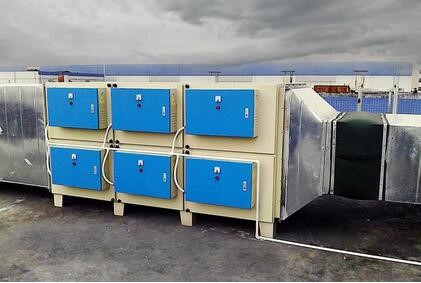
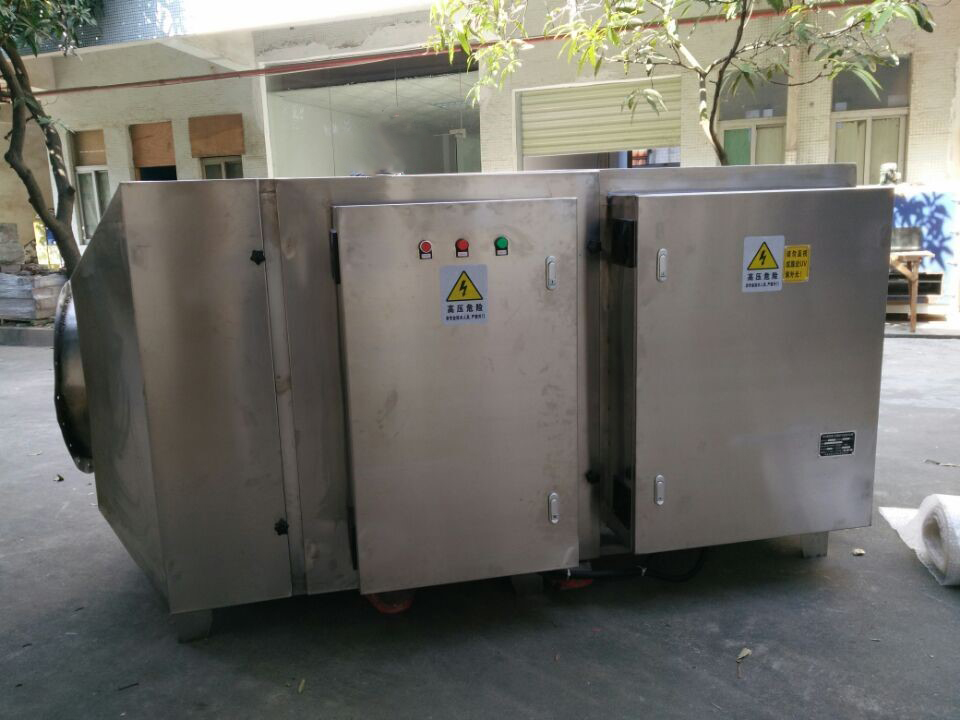
Microwave UV Oxidation – Compact Odor Destruction
\nMicrowave-driven electrodeless UV lamps generate high-intensity 185nm + 254nm output inside a compact chamber. The UV cleaves odor molecules and generates ozone in-chamber, destroying H2S, mercaptans and volatile organics without fill media.
\n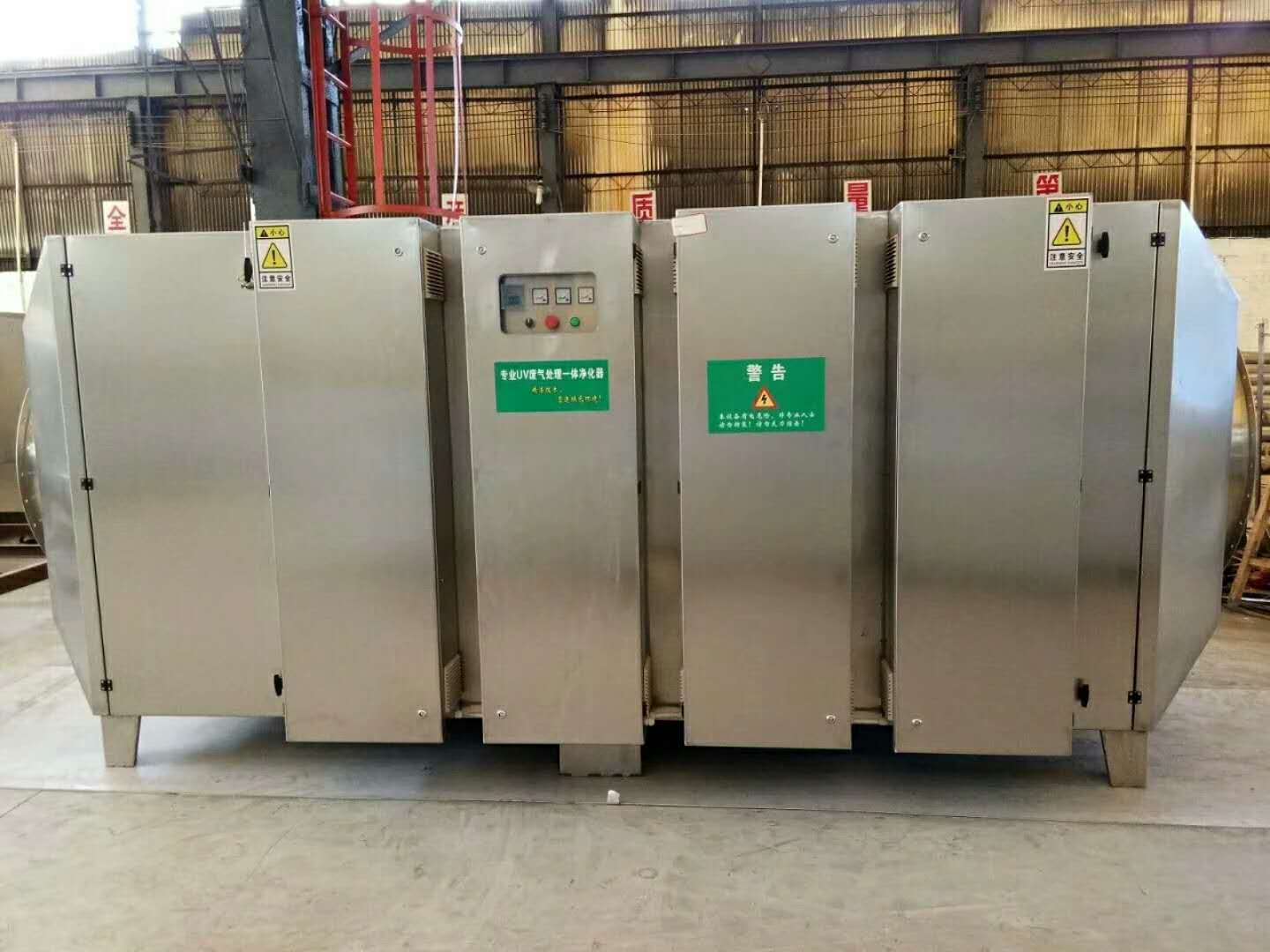
Where MW-UV Fits Best
\n- \n
- Pump stations and enclosed structures – compact footprint fits tight sites \n
- Sludge rooms and screening buildings – handles humid exhaust with demisting pretreatment \n
- Transfer stations – intermittent duty with instant restart \n
System Approach: Cover, Extract, Treat
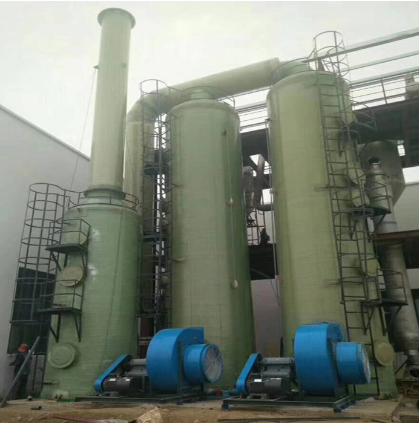
\nPair the MW-UV stage with our tank covers to capture emissions at the source, and FRP scrubbing towers where acid-gas polishing is required.
\n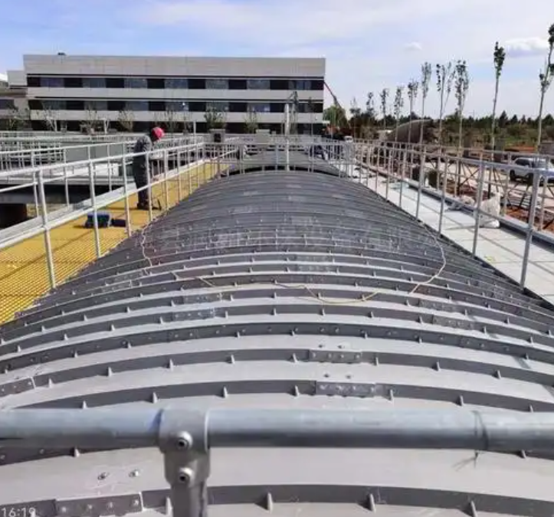
Request a Sizing
\nProvide airflow, odor compound list and installation constraints. We return a module layout, power requirement and budget within one business day.