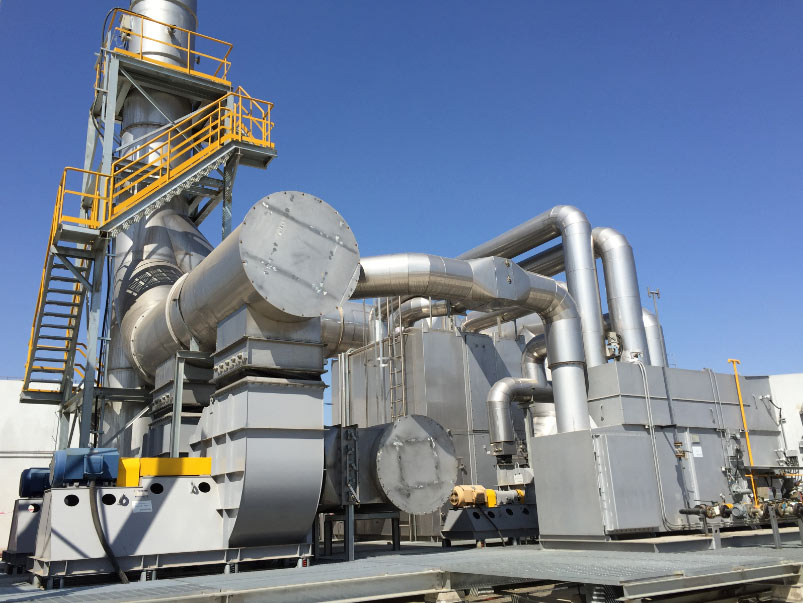

Low-temperature plasma equipment for industrial air and odor control


Product Overview
Low-Temperature Plasma Systems utilize ionized gases to generate a highly reactive environment containing electrons, ions, radicals, and ultraviolet energy. Operating at relatively low temperatures, plasma technology enables surface treatment, cleaning, sterilization, and air purification without damaging heat-sensitive materials.
Depending on the application, plasma systems can be used for precision surface modification in manufacturing, sterilization of medical instruments, or decomposition of pollutants in industrial exhaust gases.
Compared with conventional thermal or chemical treatment methods, plasma technology offers a clean and efficient process with minimal chemical consumption and reduced environmental impact.
Key Features
Low Temperature Operation
Most plasma processes operate near room temperature, making them suitable for plastics, electronic components, medical devices, and other temperature-sensitive materials.
Non-Chemical Cleaning
Removes organic residues, contaminants, and surface impurities without the use of aggressive solvents or cleaning agents.
Surface Activation
Improves surface energy and wettability, enhancing adhesion performance for printing, coating, bonding, and painting processes.
Environmental Benefits
Helps reduce the use of chemicals and can decompose certain pollutants into simpler compounds, supporting cleaner production processes.
Flexible Integration
Available as laboratory equipment, standalone industrial systems, or integrated production-line solutions.
Typical Technical Specifications
| Parameter | Surface Treatment System | Medical Sterilization System | Air Purification System |
|---|---|---|---|
| Operating Temperature | <40°C | 45–55°C | Ambient |
| Frequency | 40 kHz – 13.56 MHz | High Frequency | High Voltage DBD |
| Operating Pressure | Vacuum | Vacuum | Atmospheric |
| Process Gas | Air, O₂, Ar, N₂ | Hydrogen Peroxide Vapor | Air / Ozone |
| Main Function | Cleaning & Activation | Sterilization | VOC & Odor Control |
Specifications may vary according to system design and application requirements.
Working Principle
Plasma Generation
Electrical energy is applied to a gas medium, creating a plasma field containing reactive species such as ions, electrons, radicals, and ultraviolet photons.
Surface Interaction
These reactive particles interact with contaminants, microorganisms, or material surfaces, producing cleaning, activation, sterilization, or decomposition effects.
Process Completion
Depending on the application, the treated surface, instrument, or air stream exits the system after the desired treatment cycle has been completed.
Applications
Surface Treatment and Cleaning
Electronics Manufacturing
Used for cleaning printed circuit boards (PCBs), semiconductor components, connectors, and electronic assemblies before bonding, coating, or encapsulation.
Medical Device Manufacturing
Improves surface adhesion and cleanliness for catheters, syringes, implants, and other medical components.
Plastics and Polymers
Enhances surface wettability of materials such as PP, PE, PTFE, and other engineering plastics before printing, painting, or adhesive bonding.
Optical Components
Removes microscopic contaminants from lenses, glass substrates, and optical assemblies before coating processes.
Medical Sterilization
Heat-Sensitive Instruments
Suitable for sterilizing instruments that cannot tolerate high-temperature steam sterilization, including:
Endoscopes
Laparoscopic instruments
Fiber-optic equipment
Sensitive electronic medical devices
Residue-Free Processing
Plasma sterilization leaves no significant chemical residue and allows instruments to be returned to service after the sterilization cycle.
Industrial Air Pollution Control
VOC Treatment
Used for treatment of industrial exhaust gases containing volatile organic compounds generated from:
Chemical manufacturing
Coating operations
Printing facilities
Pharmaceutical production
Odor Control
Effective for reducing odors generated by:
Wastewater treatment plants
Food processing facilities
Waste handling operations
Indoor Air Purification
Can be integrated into ventilation systems to improve indoor air quality in commercial and industrial environments.
Types of Plasma Systems
Vacuum Plasma Cleaners
Designed for laboratory and precision industrial applications. Components are placed inside a vacuum chamber where plasma treatment is performed under controlled conditions.
Atmospheric Plasma Systems
Operate under normal atmospheric pressure and are commonly installed directly on production lines for continuous treatment processes.
Plasma Sterilizers
Medical-grade equipment designed for sterilization of heat-sensitive healthcare instruments using low-temperature plasma technology.
Plasma Air Purification Systems
Industrial systems installed in air ducts or exhaust treatment lines for pollutant and odor reduction.
Industries Served
Semiconductor Manufacturing
Electronics Assembly
Medical Device Manufacturing
Healthcare Facilities
Automotive Industry
Aerospace Industry
Packaging Industry
Chemical Processing
Pharmaceutical Manufacturing
Food Processing
Environmental Engineering
Packaging and Installation
Laboratory Systems
Compact benchtop units supplied with vacuum pumps, plasma generators, gas control systems, and user interfaces.
Industrial Systems
Available as skid-mounted equipment or customized systems integrated directly into production lines.
Medical Systems
Standalone sterilization cabinets designed for hospital and clinical environments.
Technical Support
We provide support for:
Equipment selection
Process development
Surface treatment optimization
Plasma parameter adjustment
Installation and commissioning
Operator training
Preventive maintenance
Why Choose Our Plasma Systems?
Customized Solutions
Equipment can be configured according to chamber size, treatment capacity, gas type, and application requirements.
Reliable Performance
Designed for stable operation in laboratory, industrial, and medical environments.
Regulatory Compliance
Systems can be designed to meet applicable industrial, medical, and environmental standards.
Comprehensive Service
From process evaluation and equipment supply to commissioning and technical support, we provide complete project assistance.
Request Information
Whether your goal is surface activation, precision cleaning, sterilization, or industrial air pollution control, our low-temperature plasma systems can be tailored to your application requirements. Contact our team for technical specifications, application guidance, and project consultation.
Related Products
Low-temperature plasma FAQs
What is low-temperature plasma?
Low-temperature plasma (low temp plasma) is ionized gas produced by dielectric barrier discharge, radio frequency or microwave excitation, generating electrons, ions, radicals and UV energy at low gas temperature for odor control, sterilization and surface treatment.
How does low-temperature plasma deodorization work?
Plasma deodorization generates reactive species that oxidize odor compounds such as hydrogen sulfide, mercaptans and amines into odorless products, typically combined with catalytic or UV stages for higher removal.
What is low-temperature plasma sterilization?
Low-temperature plasma sterilization uses plasma-generated radicals and UV to inactivate microorganisms on surfaces or in air, suitable for heat-sensitive materials and enclosed spaces.
What is the difference between low-temperature plasma and microwave UV for odor control?
Low-temperature plasma uses plasma discharge for deodorization; MW-UV uses microwave-excited UV, ozone and photocatalytic oxidation. Both suit low-concentration odor; see our microwave UV oxidation page for MW-UV details.
Where is low-temperature plasma used for odor control?
LTP systems are used for sludge and wastewater odor, transfer stations, fertilizer and feed processing, and process odor; see our odor control cases for sludge, fertilizer and kitchen waste applications.
Is low-temperature plasma safe?
LTP systems are designed with ozone control and safety interlocks to meet applicable standards; discharge handling and vent design follow project-specific safety review.
What is plasma air purification?
Plasma air purification uses plasma discharge to break down airborne pollutants and odor compounds in air streams, often combined with UV or catalytic stages for low-concentration applications.
How much does a plasma odor control system cost?
Cost depends on airflow, odor loading, configuration and scope. Send your site parameters for a preliminary budget estimate.
Using low-temperature plasma for wastewater odor
For sewage pump stations, headworks, sludge rooms and other enclosed wastewater sources, low-temperature plasma should be selected from the collected gas rather than from room volume alone. Review airflow, H2S, ammonia, organic compounds, humidity, mist and peak operating conditions before setting the equipment duty.
The plasma stage may need upstream demisting or downstream polishing when the gas contains aerosols, corrosive components or variable odor peaks. See the wastewater odor control system design guide and compare it with microwave ultraviolet oxidation using the same inlet data.
Where Low-Temperature Plasma Fits
Low-temperature plasma can be considered for selected low-concentration or intermittent VOC and odor streams, often as part of a combined treatment process. Humidity, dust, gas composition, residence time, ozone management and downstream polishing must be reviewed before selection.
Plasma vs Activated Carbon, Scrubber and RTO
Activated carbon is often considered for adsorption, scrubbers for soluble or reactive compounds, and RTO for suitable high-load VOC destruction. Plasma should be compared with these routes using airflow, concentration, contaminants, operating hours, maintenance and total operating cost.
See the VOC treatment system and industrial odor control pages for broader process selection.
Application in wastewater odor control
This equipment may be evaluated for captured air from wastewater treatment plants, pump stations, wet wells, sludge storage and dewatering areas. The water treatment process and the air treatment process have separate design duties.
Before selecting a unit, provide the source enclosure, normal and peak extraction flow, H₂S and ammonia data, humidity, temperature, operating hours and required outlet condition. High moisture, droplets and changing gas composition may require pretreatment or downstream polishing.
Review the wastewater odor control system guide for capture, comparison and quotation requirements. Final capacity and performance must be tied to the measured gas duty and agreed test method.
Project quotation checklist
- Gas composition and concentration range with units
- Normal and peak airflow in m³/h
- Source photos, cover drawings and duct route
- Power supply, hazardous-area requirements and control signals
- Maintenance access, cleaning method and replacement parts
Odor Control System Pages
- Low-temperature plasma for industrial odor control
- Plasma odor control for industrial exhaust gas
- Plasma odor control for wastewater plants
- Plasma compared with activated carbon
- Plasma for garbage transfer stations
- Sludge drying room odor control
- Microwave UV compared with plasma
- Microwave UV oxidation for odor control
- Wastewater odor control systems
Low-Temperature Plasma Odor Control – Built for Wastewater Applications
\nOur DBD low-temperature plasma units treat the odor compounds typical of sewage and sludge handling: hydrogen sulfide, ammonia, mercaptans and amines. High-energy discharge breaks odor molecules into CO2, water and trace nitrates without chemical dosing.
\n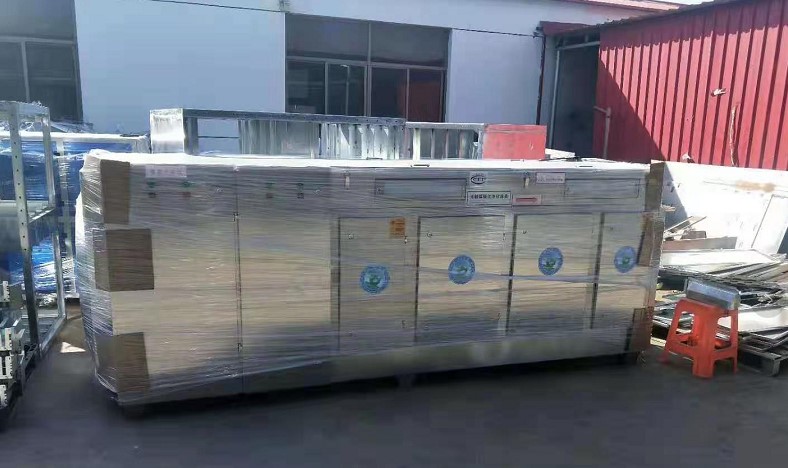
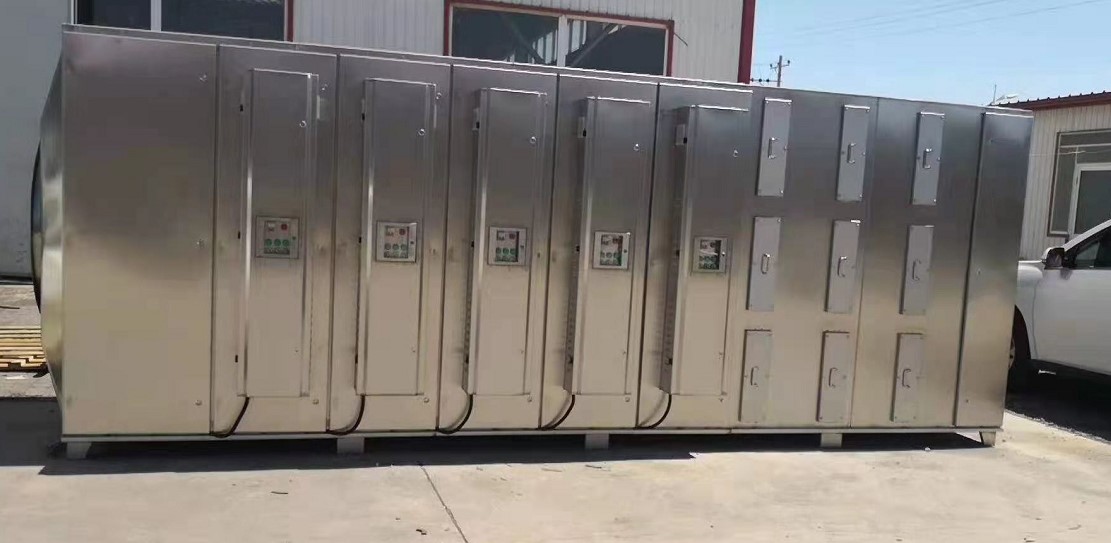
Why Plants Choose Plasma Over Chemical Scrubbing
\n- \n
- No chemicals to store or dose – no caustic/bleach handling, no scrubber water treatment \n
- Modular trains – isolate one module for service without shutting down extraction \n
- Handles intermittent loads – instant start/stop suits pump stations and batch operations \n
- Low maintenance – periodic cell cleaning and electrode inspection, no packing replacement \n
Cover the Source First
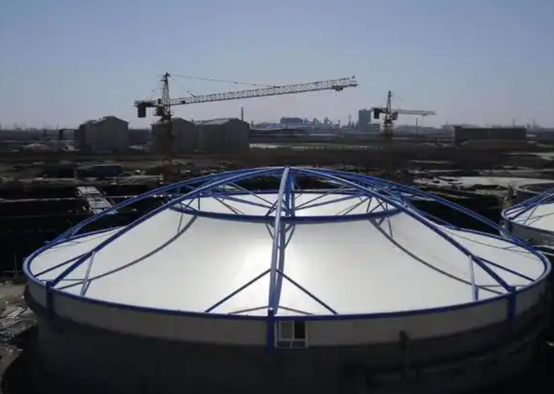
\nOdor control works best as a system: cover the emitting surface, extract under controlled airflow, then treat. We supply anti-corrosion tank covers and membrane domes alongside the plasma units.
\n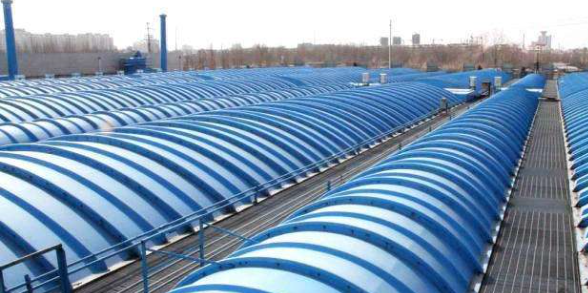
Sizing and Selection
\nSend your airflow (m3/h), pollutant spectrum and duty profile. We size residence time and module count, and specify pretreatment (demisting/filtration) where humid or dust-laden streams demand it.