
Direct Answer
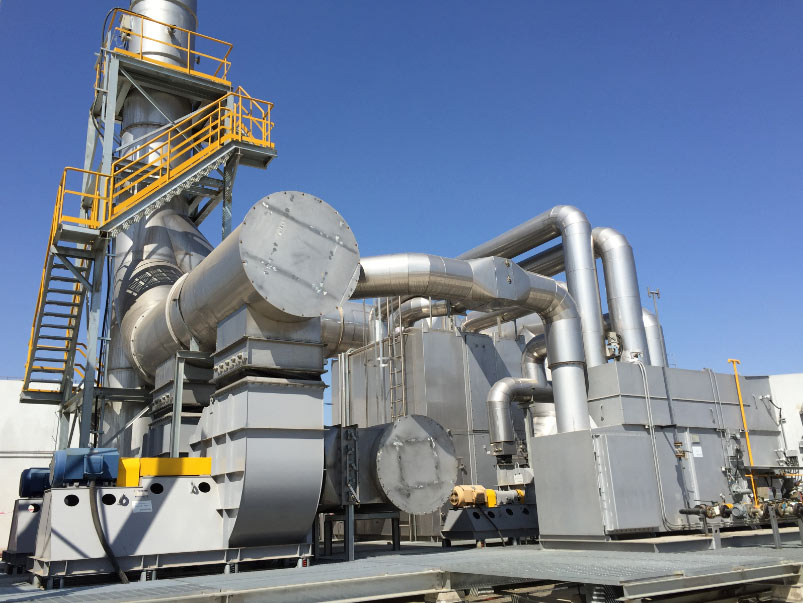
Sludge dewatering room odor can be treated by enclosing odor sources, collecting the gas under negative pressure, removing droplets or mist, and sending the collected gas to microwave UV oxidation equipment. The main odor pollutants are hydrogen sulfide, ammonia, mercaptans, organic sulfur compounds, and volatile organic compounds released from sludge storage, thickening, dewatering, and cake handling.
Microwave UV oxidation is suitable when the project needs a compact oxidation process for strong mixed odor rather than only carbon adsorption.
Why Sludge Dewatering Rooms Smell
Sludge odor is usually stronger than general wastewater odor because sludge contains concentrated organic matter and anaerobic byproducts. Common odor points include:
- Sludge thickening tanks
- Belt filter press or screw press areas
- Centrifuge rooms
- Sludge cake conveyors
- Sludge storage bins
- Drainage and filtrate collection channels
Recommended System Design
| Step | Design requirement |
|---|---|
| Source enclosure | Cover sludge machines, bins, and channels as much as possible |
| Air collection | Maintain negative pressure around odor points |
| Pretreatment | Remove moisture, droplets, and dust when needed |
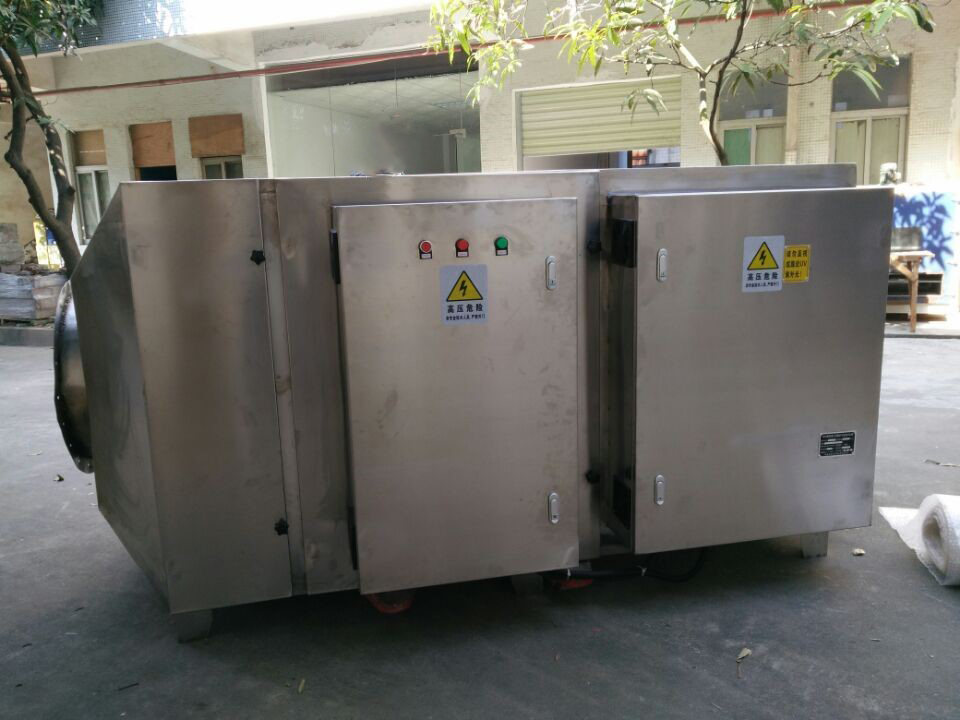
| Main treatment | Use microwave UV oxidation reactor sized by air volume and concentration |
| Polishing | Add activated carbon if residual odor must be reduced further |
| Discharge | Use stable fan and stack discharge design |
Why Microwave UV Oxidation Fits Sludge Odor
Sludge odor contains complex sulfur and organic compounds. Microwave UV oxidation provides photolysis and oxidation reactions that can help decompose these odor components. The system should be designed with correct residence time, lamp configuration, gas distribution, and maintenance access.
Related equipment: Microwave Ultraviolet Oxidation Equipment.
Practical Selection Questions
Before selecting equipment, check:
- Sludge room size and collection points
- Exhaust air volume
- H2S and ammonia concentration
- Humidity and water mist
- Dust and fiber content
- Odor discharge requirement
- Available footprint and duct route
FAQ
Can microwave UV oxidation remove sludge smell?
Yes. It can treat sludge room odor when the gas is collected and the reactor is properly designed for the actual air volume and pollutant load.
Is activated carbon enough for sludge odor?
Activated carbon may work as polishing, but it can saturate quickly in humid and high-odor sludge applications.
Should sludge odor be treated centrally or locally?
Both are possible. Central systems are useful when multiple odor points are connected; local systems can be used for isolated machines or rooms.