
Direct Answer
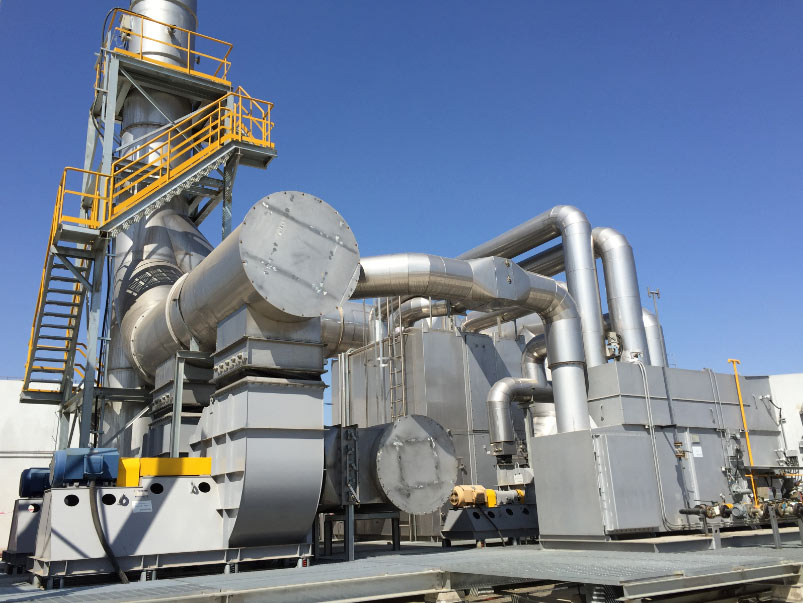
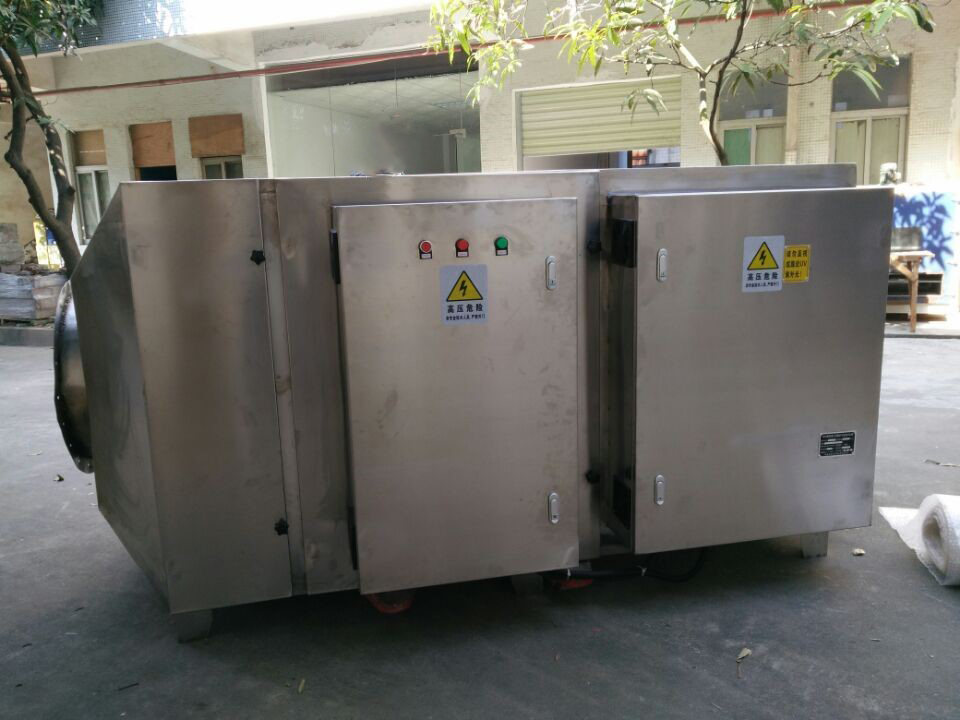
A microwave UV oxidation system should be designed according to air volume, odor concentration, gas composition, humidity, residence time, UV intensity, reactor structure, duct resistance, fan pressure, and maintenance access. The equipment is not only a box with UV lamps; performance depends on whether the gas is collected, distributed, oxidized, and discharged correctly.
For odor control projects, design errors often come from underestimated air volume, poor source enclosure, short residence time, high humidity, or no maintenance plan.
Key Design Parameters
| Parameter | Why it matters |
|---|---|
| Air volume | Determines reactor size and fan capacity |
| Odor concentration | Affects oxidation load and process selection |
| Gas humidity | High humidity may require pretreatment or drainage |
| Residence time | Determines contact time for photolysis and oxidation |
| UV intensity | Affects oxidation performance |
| Gas distribution | Prevents short-circuiting inside the reactor |
| Pressure drop | Affects fan selection and operating cost |
| Maintenance access | Determines lamp inspection and cleaning convenience |
Air Volume Calculation
Air volume should be based on the covered source area, required ventilation rate, and negative-pressure collection design. Oversized systems waste energy, while undersized systems allow odor escape and reduce treatment performance.
Residence Time and Reactor Layout
The reactor should provide enough reaction time and avoid uneven gas distribution. Internal baffles, lamp layout, and inlet/outlet design should prevent gas from passing through too quickly.
Pretreatment Requirements
Pretreatment may include:
- Mist eliminator
- Drainage section
- Dust filter
- Scrubber before UV oxidation for high acid gas
- Activated carbon polishing after UV oxidation
Maintenance Checklist
Routine maintenance should include:
- Checking microwave generator operation
- Inspecting electrodeless UV lamp condition
- Cleaning lamp sleeves or reactor surfaces when fouled
- Checking fan vibration and pressure
- Checking duct corrosion and leakage
- Recording odor complaints and operating hours
Product page: Microwave Ultraviolet Oxidation Equipment.
FAQ
What determines microwave UV oxidation equipment size?
Main factors are air volume, pollutant concentration, residence time, gas humidity, and required removal efficiency.
Does the system need regular maintenance?
Yes. Lamps, microwave components, fans, filters, and reactor surfaces should be inspected regularly.
Why does odor remain after UV oxidation?
Possible causes include poor gas collection, overloaded air volume, short residence time, high humidity, lamp aging, uneven gas distribution, or untreated odor leakage.