
Direct Answer
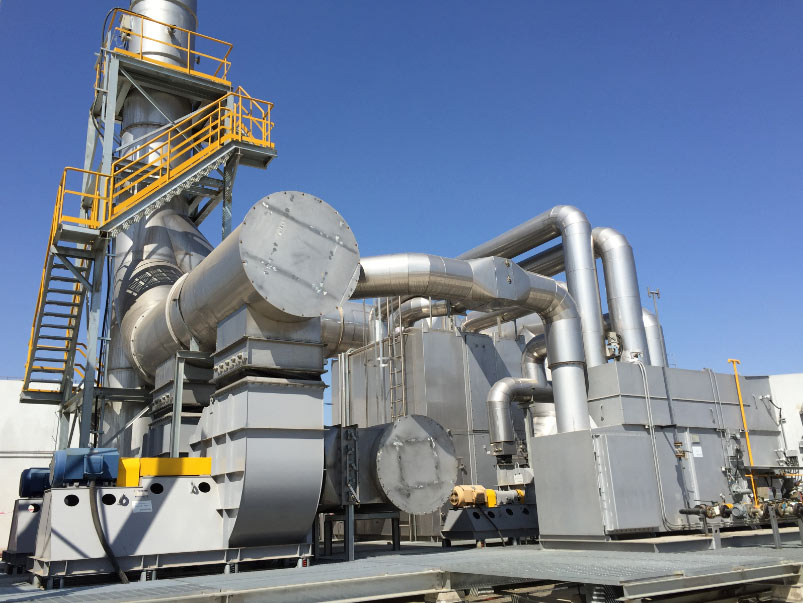
Microwave UV oxidation can be used for garbage transfer station odor and leachate odor control when odor sources are enclosed, the gas is collected under negative pressure, and the treatment reactor is sized for air volume, humidity, and mixed pollutant load. Typical odor compounds include hydrogen sulfide, ammonia, mercaptans, organic acids, and mixed VOC odor.
Garbage transfer stations often need both source control and fast deodorization because odor changes with waste composition, temperature, retention time, and ventilation conditions.
Main Odor Sources
Common odor points include:
- Waste unloading hall
- Compression equipment
- Waste storage area
- Leachate collection tank
- Drainage trench
- Vehicle washing area
- Wastewater or leachate treatment unit
Recommended Process
| Process step | Purpose |
|---|---|
| Enclosure and doors | Reduce uncontrolled odor escape |
| Negative-pressure collection | Capture odor before it spreads |
| Moisture and mist control | Protect downstream equipment |
| Microwave UV oxidation | Decompose mixed odor compounds |
| Activated carbon polishing | Reduce residual odor when required |
| Stack discharge | Discharge treated air safely |
Why Microwave UV Oxidation Is Useful Here
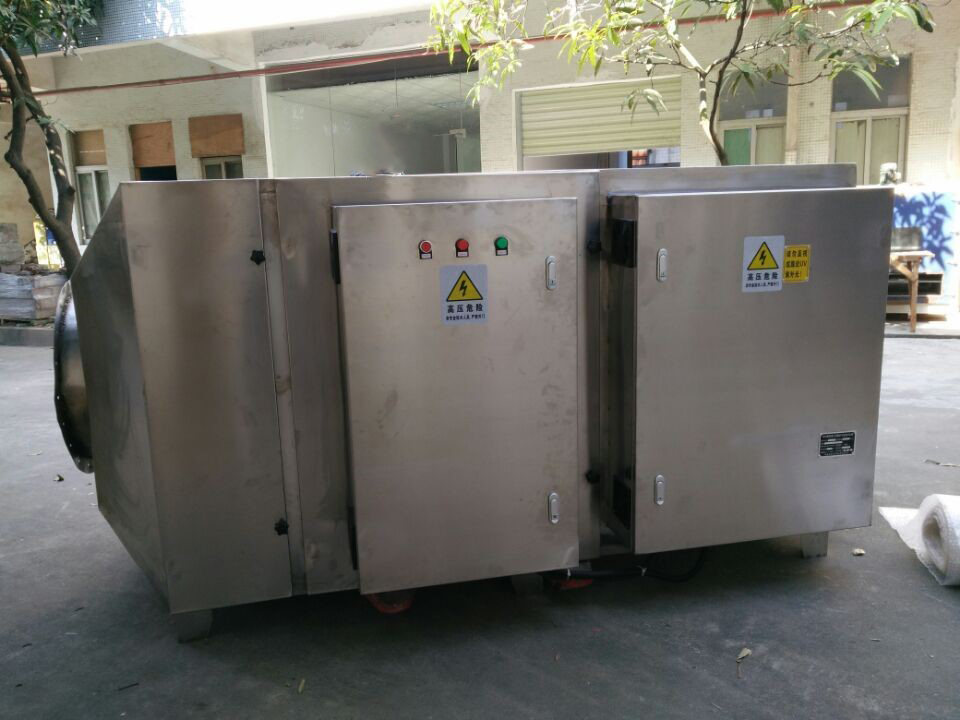
Garbage station odor is usually complex and unstable. Microwave UV oxidation can provide a compact oxidation process for sulfur odor, ammonia-related odor, and organic odor. It is especially useful where biological treatment space is limited or where the project needs modular equipment.
Related equipment: Microwave Ultraviolet Oxidation Equipment.
Operation Tips
To improve performance:
- Keep unloading doors closed when possible
- Maintain negative pressure in odor zones
- Avoid water carryover into the UV reactor
- Inspect lamps and reactor surfaces regularly
- Add polishing adsorption if discharge odor is strict
- Separate very high-concentration odor branches when needed
FAQ
Can microwave UV oxidation treat garbage station odor?
Yes. It can treat garbage transfer station odor when the gas collection system and reactor are properly designed.
What causes leachate odor?
Leachate odor often comes from anaerobic decomposition, sulfur compounds, ammonia, organic acids, and mixed VOCs.
Is a scrubber needed before microwave UV oxidation?
A scrubber may be needed when H2S or acid gas concentration is high, or when humidity and corrosive components need to be reduced.