
Direct Answer
Microwave UV oxidation is an advanced oxidation process used for industrial odor control. It uses microwave-powered electrodeless UV lamps to generate high-intensity ultraviolet light and active oxidizing species. These reactions help decompose hydrogen sulfide, ammonia, mercaptans, organic sulfur compounds, and low-concentration VOC odor from wastewater, sludge, garbage transfer, and industrial process sources.
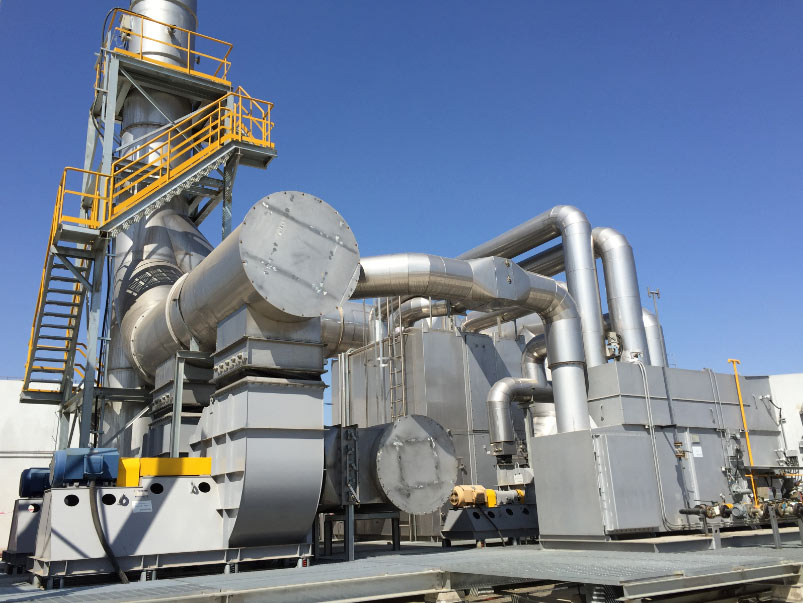
For odor projects, microwave UV oxidation should be designed as a complete system: odor source enclosure, negative-pressure collection, moisture control, oxidation reactor, fan, ductwork, and stack discharge.
What Is Microwave UV Oxidation?
Microwave UV oxidation uses microwave energy to excite electrodeless UV lamps. Compared with conventional electrode UV lamps, electrodeless lamps can be suitable for harsh industrial environments because they avoid electrode aging and can provide stable UV output when correctly designed.
The process is often used when odor gas needs oxidation rather than only adsorption. It can be applied to wastewater odor, sludge odor, garbage station odor, and mixed low-concentration VOC odor.
Main Pollutants Treated
| Pollutant | Common source | Treatment role |
|---|---|---|
| Hydrogen sulfide | Wastewater, sludge, pump stations | Oxidation and odor reduction |
| Ammonia | Wastewater and organic decomposition | Oxidation-assisted deodorization |
| Mercaptans | Sludge, garbage, industrial odor | Photolysis and oxidation |
| Low-concentration VOCs | Coating, chemical, waste gas | Oxidation and odor control |
| Organic sulfur compounds | Sewage and waste treatment | Decomposition and odor reduction |
Suitable Applications
Microwave UV oxidation is suitable for:
- Wastewater treatment plant odor
- Sludge dewatering room odor
- Garbage transfer station odor
- Leachate treatment odor
- Pump station odor
- Industrial mixed odor and low-concentration VOC exhaust
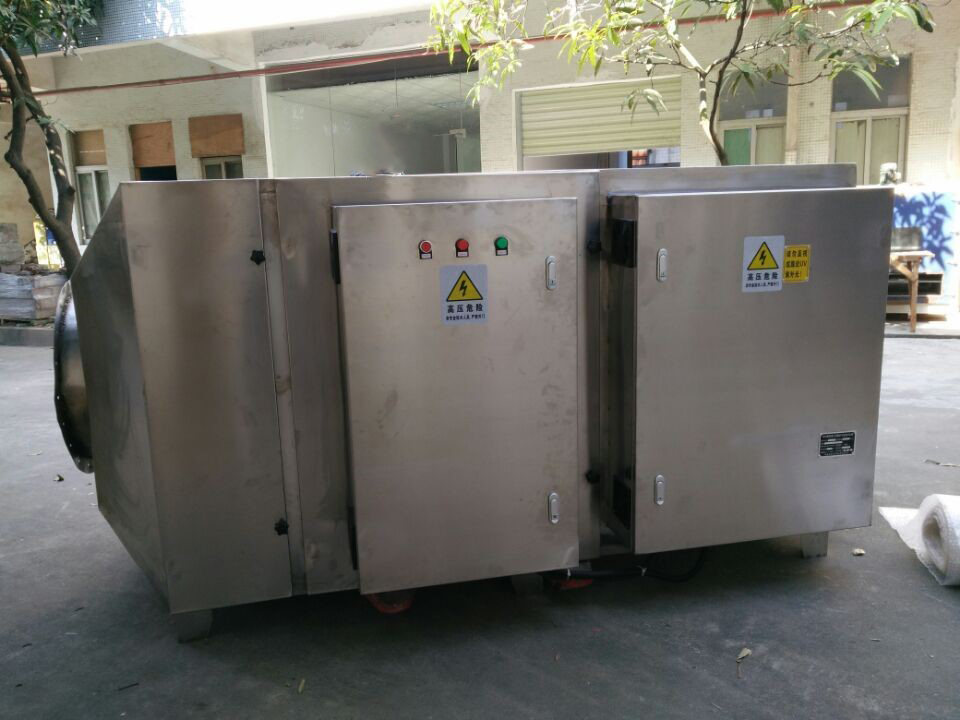
Related product: Microwave Ultraviolet Oxidation Equipment.
Why It Helps Engagement
A visitor who lands on a product page often wants to know whether the technology fits their problem. Supporting knowledge pages answer application questions, process selection questions, and maintenance questions. This increases browsing depth and gives search engines a clearer topical cluster.
FAQ
Is microwave UV oxidation suitable for wastewater odor?
Yes. It can be used for wastewater odor when the gas is properly collected and the reactor is sized for air volume, humidity, and odor concentration.
Can microwave UV oxidation treat VOCs?
It can treat low-concentration VOC odor and mixed odor. High-concentration VOC streams may require RTO, catalytic oxidation, adsorption concentration, or a combined system.
Does the system need pretreatment?
Pretreatment may be needed when the gas contains high humidity, droplets, dust, oil mist, or corrosive components.