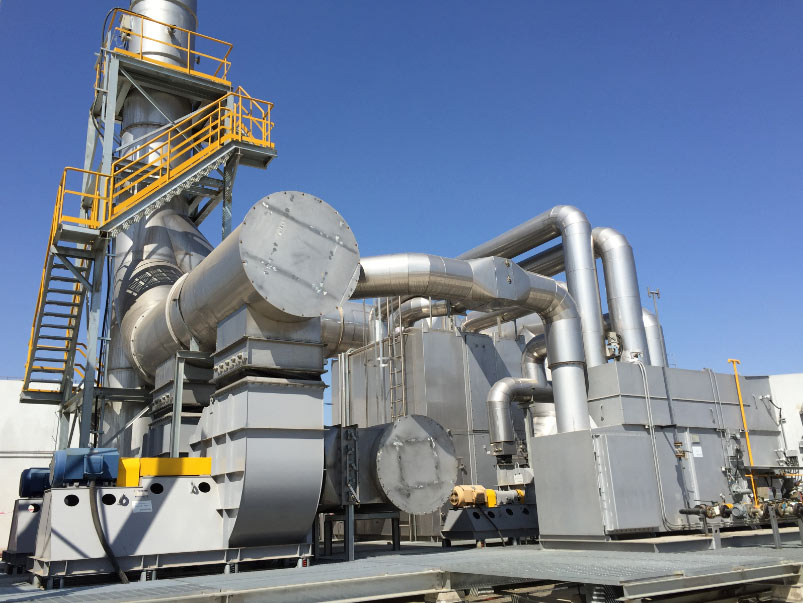

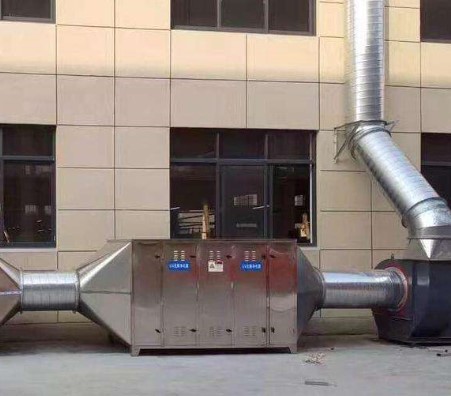
Direct answer: Wastewater odor is treated by enclosing the source, extracting contaminated air and selecting equipment for the actual compounds. Hydrogen sulfide is commonly removed with an alkaline or oxidizing scrubber; ammonia is commonly removed with an acid scrubber; mixed residual odor can be polished with low-temperature plasma, microwave UV oxidation or activated carbon.
For a reliable result, do not select equipment only from room volume. Measure source airflow, hydrogen sulfide, ammonia, VOCs, temperature, humidity and peak loading.
Where wastewater odor comes from
- Headworks, screens and grit chambers.
- Lift stations and pumping stations.
- Equalization, anaerobic and sludge tanks.
- Sludge thickening, dewatering and storage.
- Leachate, septage receiving and enclosed drains.
Hydrogen sulfide often develops under anaerobic conditions. Ammonia can be released from high-nitrogen wastewater or alkaline processes. Mercaptans, amines and organic VOCs may add complex odor that a single gas reading does not explain.
Step 1: Enclose and capture the source
Cover tanks and channels where practical, use local hoods around screens and presses, and maintain enough negative pressure to prevent leakage. Excessive ventilation increases equipment size and energy use, while insufficient extraction allows odor to escape.
Step 2: Remove droplets and corrosive aerosol
Wastewater exhaust is often humid and may carry droplets. A mist eliminator, washable filter or scrubber protects downstream plasma modules, UV lamps and activated carbon. Ducts should drain safely and avoid low points where condensate collects.
Step 3: Select treatment by pollutant
| Pollutant | Primary option | Possible polishing |
|---|---|---|
| Hydrogen sulfide | Alkaline or oxidizing scrubber | Carbon, plasma or UV |
| Ammonia | Acid scrubber | Carbon or secondary stage |
| Mixed low-concentration odor | Low-temperature plasma or microwave UV oxidation | Activated carbon |
| High continuous VOC load | Catalytic or thermal oxidation | Heat recovery as required |
Low-temperature plasma for sewage odor
Plasma can treat mixed low-concentration odor after moisture and particulate control. It is compact and starts quickly, but sticky aerosol and condensation must be controlled. See the low-temperature plasma odor control guide.
Microwave UV oxidation for wastewater
Microwave-driven electrodeless UV lamps generate a strong photochemical treatment field. The system can be applied to sewage and waste odor where good pretreatment keeps the lamp and reactor clean. Read about microwave UV oxidation for wastewater odor.
Monitoring and performance verification
Track airflow, pressure drop, reagent pH or oxidation-reduction potential where relevant, electrical load, inlet and outlet gas measurements and odor observations. A sudden complaint may result from a failed extraction fan, open hatch, exhausted carbon or an unexpected process load rather than the main reactor.
Frequently asked questions
What is the fastest way to reduce sewage odor?
First stop uncontrolled release by closing covers and restoring extraction. Then check fan airflow, scrubber chemistry, filters and polishing media. Equipment replacement should follow measurement, not guesswork.
Can one scrubber remove both hydrogen sulfide and ammonia?
A single chemistry is rarely optimal for both an acid gas and an alkaline gas. Separate stages or another combined treatment train may be required.
Is low-temperature plasma suitable for very wet gas?
It can be used after effective mist removal and condensation control. Direct liquid carryover can contaminate electrodes and reduce stability.
Which information should I send to PollutionCtrl?
Send normal and peak airflow, hydrogen sulfide and ammonia concentration, humidity, temperature, source description, operating hours and required outlet performance.
Get an odor treatment recommendation
Use the industrial odor control system selection guide to compare technologies, or contact PollutionCtrl for a wastewater odor treatment proposal.