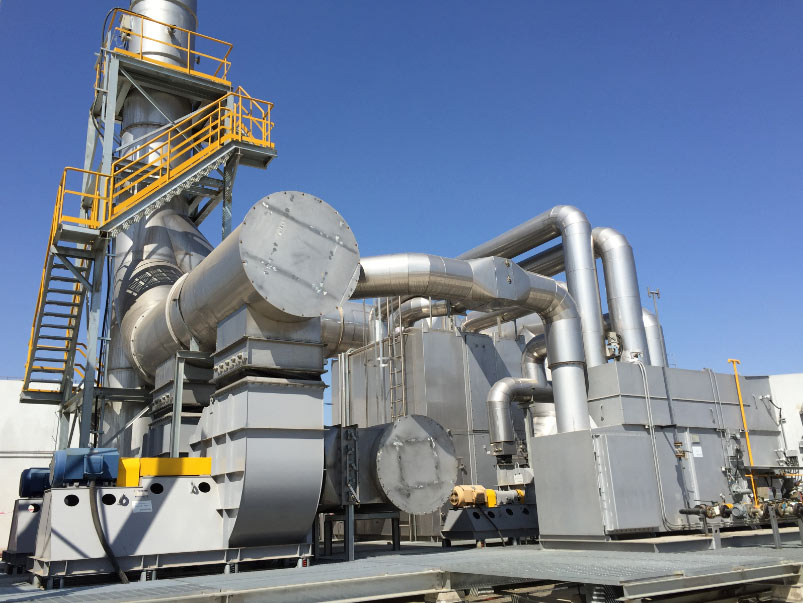

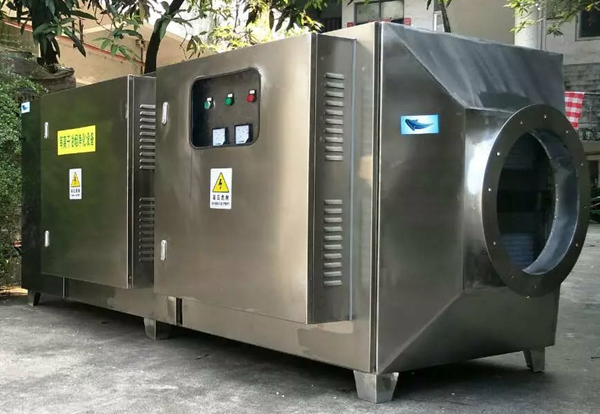
Industrial odor is more than a nuisance. Persistent smells from wastewater treatment, sludge handling, food processing, chemical storage and waste transfer can trigger complaints, affect working conditions and signal that volatile or odorous compounds are escaping from the process. A low-temperature plasma odor control system provides a compact oxidation option for many low- to medium-concentration exhaust streams.
This guide explains how low-temperature plasma equipment works, where it fits, how to select a system and when another treatment technology may be more suitable.
What is low-temperature plasma odor control?
Low-temperature plasma uses an electrical discharge to create energetic electrons while keeping the bulk gas at a comparatively low temperature. These electrons generate reactive species that attack odor molecules in the exhaust stream. Complex compounds can be broken into smaller, less odorous substances and then further oxidized.
The technology is commonly considered for hydrogen sulfide, ammonia, mercaptans and mixed volatile organic compounds from industrial ventilation. The actual removal result depends on gas composition, concentration, humidity, dust loading, residence time and the design of the discharge section.
See our low-temperature plasma equipment for a configurable treatment platform for industrial odor and waste-gas purification.
Where can plasma waste-gas purification be used?
- Wastewater treatment: inlet works, equalization tanks, sludge dewatering rooms and pumping stations.
- Solid-waste facilities: waste transfer stations, sorting halls and leachate collection areas.
- Food and fermentation: mixed organic odor from processing, storage and by-product handling.
- Chemical production: low-concentration process ventilation containing several VOC species.
- Printing, coating and workshops: intermittent low-load exhaust where a compact modular system is useful.
Key advantages
Fast start and stop
The discharge section becomes active quickly, which helps facilities with intermittent production or changing ventilation schedules. There is no large combustion chamber to heat before treatment begins.
Compact modular layout
Plasma modules can be arranged in stages and integrated with a pre-filter, mist eliminator, activated carbon polishing unit or scrubber. This makes retrofit work easier where plant space is limited.
Useful for mixed odors
Many odor streams contain several compounds rather than one pollutant. Plasma oxidation can serve as the central treatment step for a mixed stream, especially when the contaminant loading is too low to support thermal oxidation.
Design information required before selection
A reliable selection starts with the exhaust data, not only the fan flow rate. Provide the normal, minimum and maximum airflow; gas temperature; relative humidity; dust and aerosol loading; oxygen content; odor compounds; VOC concentration; and operating hours. Also note whether the process releases sudden concentration peaks.
High moisture, oil mist or particulate can contaminate electrodes and reduce discharge stability. In these cases, pretreatment may include a demister, washable filter, dry filter or scrubber. The final stage may use activated carbon to capture residual compounds and oxidation by-products.
Low-temperature plasma versus microwave UV oxidation
Both technologies generate reactive species without a conventional high-temperature flame, but their energy delivery is different. Plasma is often selected for compact modular treatment and mixed low-concentration exhaust. Microwave ultraviolet oxidation can be attractive when strong photochemical oxidation and odor sterilization are both required.
For wet-process odor, sewage facilities and waste stations, review our microwave ultraviolet oxidation equipment. Pilot testing is useful when the gas mixture is uncertain or when odor intensity changes sharply during production.
When should another technology be considered?
Low-temperature plasma is not the universal answer for every VOC stream. High and continuous VOC loads may be better suited to a catalytic oxidizer or regenerative thermal oxidizer. Highly soluble acid or alkaline gases may require wet scrubbing. A vapor recovery unit is generally more appropriate when valuable hydrocarbons can be captured and returned to the process.
Practical maintenance checklist
- Inspect pre-filters, mist eliminators and drainage points.
- Check electrodes and insulators for deposits or corrosion.
- Record voltage, current, pressure drop and airflow trends.
- Confirm that doors, grounding and electrical interlocks operate correctly.
- Replace polishing media based on outlet monitoring, not only elapsed time.
- Investigate odor complaints together with production and weather records.
Building a complete odor control system
The most effective industrial odor control system often combines collection, pretreatment, oxidation and polishing. Hoods and ducts must capture the odor before it spreads. The fan must maintain the required negative pressure. Pretreatment protects the plasma section, while a final polishing stage manages residual odor.
Send us your airflow, contaminant list, temperature, humidity and operating schedule. We can help compare plasma, microwave UV, activated carbon and thermal oxidation for the specific application. Contact PollutionCtrl for an odor control system proposal.
Industrial Odor Control Knowledge Center
Need a direct recommendation? Start with the industrial odor control system selection guide. It compares scrubbing, low-temperature plasma, microwave UV, activated carbon and thermal oxidation by pollutant and application.