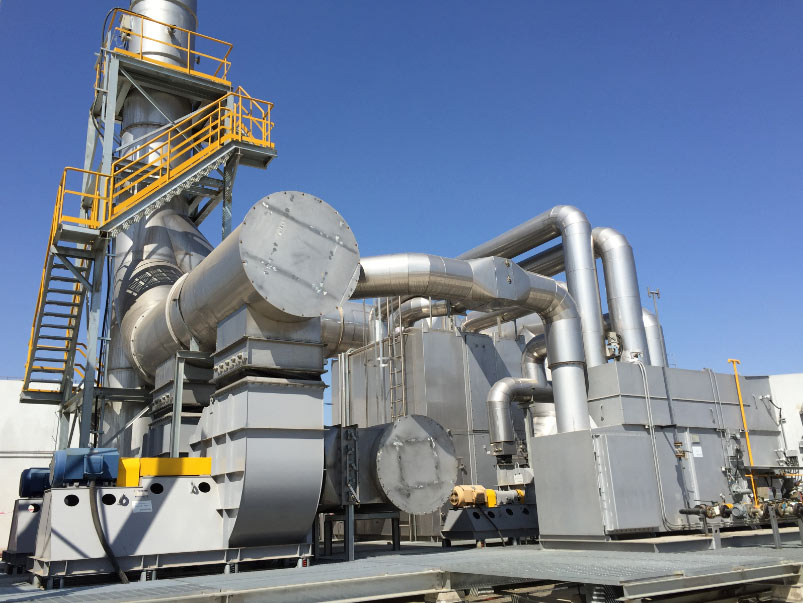

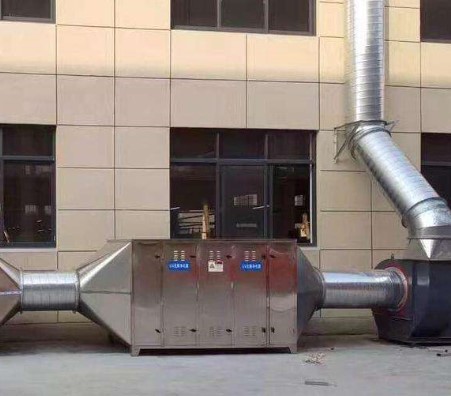
Direct answer: Waste transfer station odor is controlled by enclosing high-emission zones, maintaining negative pressure and treating the extracted air with staged filtration, low-temperature plasma or microwave UV oxidation, followed by activated carbon when necessary. The key is to capture odor at the tipping floor, compactor, leachate and waste-storage sources before it spreads through open doors.
Main odor sources in a transfer station
- Waste unloading and tipping floors.
- Compactors, hoppers and conveyor transfer points.
- Leachate tanks, drains and wash-water collection.
- Temporary waste storage and container areas.
- Vehicle bays and frequently opened doors.
The exhaust may contain sulfur compounds, ammonia, amines, organic acids and mixed VOCs. Temperature, waste age and moisture cause rapid changes in odor intensity.
Use source capture instead of uncontrolled building ventilation
Extract directly from pits, hoppers, compactors and enclosed storage where possible. Local capture reduces total airflow and keeps the building under controlled negative pressure. Air curtains, fast doors and pressure zoning can limit odor escape during vehicle movement.
Recommended treatment train
- Coarse separation: remove debris, dust and droplets.
- Mist and grease control: protect the oxidation stage from sticky deposits.
- Primary deodorization: use plasma, microwave UV or scrubbing according to gas chemistry.
- Polishing: add activated carbon for residual compounds and peak odor.
- Discharge: locate the stack to avoid recirculation into doors or neighboring areas.
Low-temperature plasma for waste odor
Low-temperature plasma equipment is suitable for many low-concentration mixed odor streams after dust and mist removal. Modular sections allow capacity to match ventilation zones. Read the plasma odor control selection guide.
Microwave UV oxidation for garbage odor
Microwave ultraviolet oxidation equipment can be used for waste and leachate odor when pretreatment keeps lamps and the reactor clean. It is especially relevant where photochemical oxidation and odor sterilization are both desired.
Design information required
- Building layout and odor source locations.
- Door size, vehicle frequency and operating schedule.
- Local and total exhaust airflow.
- Temperature, humidity, dust and aerosol loading.
- Hydrogen sulfide, ammonia and representative VOC results.
- Neighbor distance, stack location and complaint history.
- Available space, power, water and drainage.
Common design mistakes
Oversizing airflow without source enclosure
High general ventilation may still allow odor to escape through doors and can make treatment equipment unnecessarily large. Capture at the source first.
Ignoring leachate and wash-water drains
Small liquid sources can produce intense odor. Keep drains sealed, ventilate tanks and maintain water traps where appropriate.
Using carbon as the only stage for a heavy load
Activated carbon can exhaust rapidly under high humidity or high organic loading. A primary removal stage often improves media life and outlet stability.
No maintenance access
Filters, lamps, electrodes and carbon beds need safe access. Poor access leads to delayed cleaning and declining performance.
Frequently asked questions
Which equipment is best for a garbage transfer station?
For mixed low-concentration odor, plasma or microwave UV with pretreatment and carbon polishing is often evaluated. High hydrogen sulfide or ammonia may require a scrubber. Gas testing confirms the selection.
How can odor escape through truck doors be reduced?
Maintain pressure zoning, use local extraction at tipping points, minimize door-open time and keep replacement air paths away from contaminated zones.
Can the system handle seasonal odor peaks?
Yes, if the airflow and contaminant range include hot-weather and high-throughput conditions. Modular treatment and variable-speed fans can support turndown and peaks.
Complete odor control guidance
Compare all treatment methods in the industrial odor control system guide. Contact PollutionCtrl with the station layout and exhaust data for a system proposal.