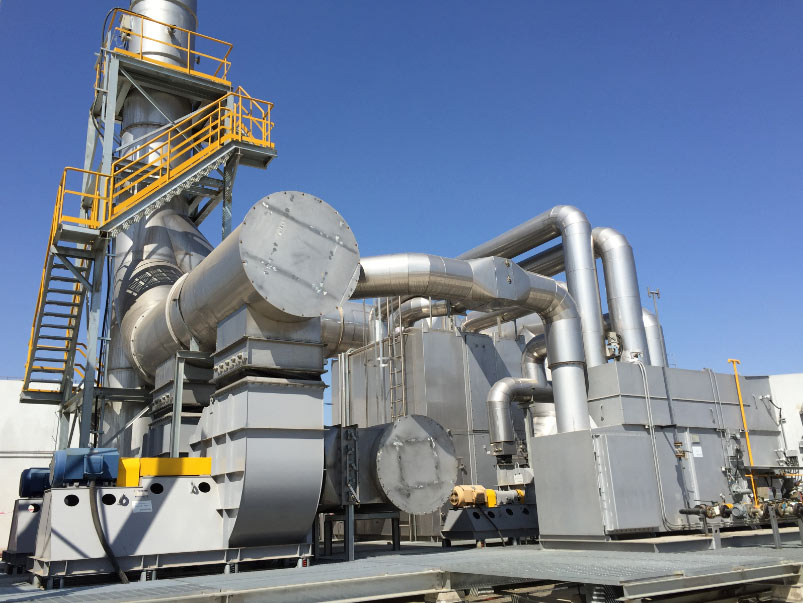

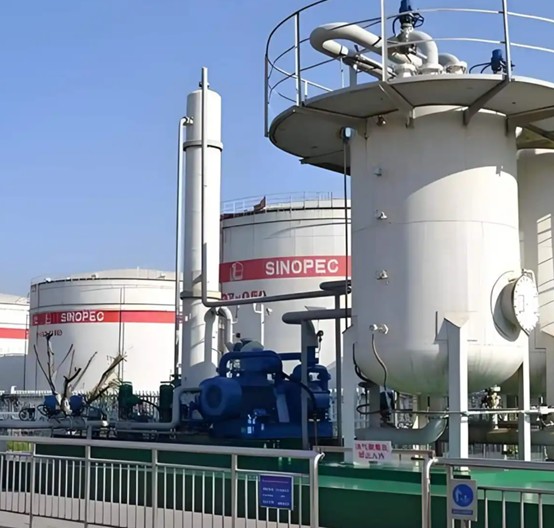
A vapor recovery unit, usually abbreviated as VRU, captures hydrocarbon vapors that would otherwise be vented or sent to a combustion device. In oil and gas production, terminals and storage facilities, a properly selected VRU can reduce volatile organic compound emissions while returning usable vapor to the process.
This guide answers the common question “what is a VRU in oil and gas?” and explains the main process steps, equipment options and data required for selection.
Where hydrocarbon vapor comes from
Storage tanks generate vapor when liquid enters the tank, when the liquid warms, when dissolved gas flashes after a pressure drop and when atmospheric pressure changes. Loading operations and process vessels can create additional vapor flow. The composition may include methane, ethane, heavier hydrocarbons, water vapor and trace contaminants.
Because vapor rate and composition change with production, a VRU must be sized for a realistic operating envelope rather than one average flow value.
Basic VRU working principle
- Collection: Vapor headers gather emissions from tanks or process equipment while maintaining safe vessel pressure.
- Separation: A scrubber or knockout vessel removes liquid droplets before compression or adsorption.
- Recovery: Compression, condensation, adsorption, absorption or a combination separates and recovers hydrocarbons.
- Return: Recovered gas is routed to a fuel-gas system, sales line or another usable destination; condensed liquid is returned to storage or process.
- Control: Pressure, flow, temperature and shutdown instruments keep the system stable as vapor load changes.
See our oil and gas vapor recovery unit for packaged VRU configurations.
Common vapor recovery technologies
Compression and condensation
A compressor raises vapor pressure so that gas can be returned to a gathering or fuel system. Cooling may condense heavier hydrocarbons. This approach is common where there is a reliable destination pressure and recoverable gas value.
Activated carbon adsorption
Activated carbon beds capture hydrocarbon molecules and alternate between adsorption and regeneration. The method can be useful for loading terminals and variable vapor streams, with upstream liquid removal protecting the media.
Absorption
A suitable liquid absorbs selected hydrocarbons from the vapor. The solvent or hydrocarbon liquid is then regenerated or returned to the process.
VRU selection data
- Minimum, normal and maximum vapor flow.
- Gas composition and molecular weight.
- Inlet pressure and allowable tank pressure range.
- Inlet temperature and ambient design conditions.
- Liquid carryover, water, hydrogen sulfide and corrosive contaminants.
- Required outlet pressure and available recovery destination.
- Area classification, utilities and emissions target.
For a structured comparison, read our VRU selection guide for VOC emissions control.
Tank pressure and safety
The vapor collection header must not impose excessive vacuum or backpressure on connected tanks. Pressure-vacuum relief devices remain an independent safeguard and should not be treated as normal flow-control valves. Controls should respond to changing tank pressure while shutdown logic protects the compressor and vessels.
When recovery is not practical
Recovery depends on vapor quantity, composition, pressure and the availability of a useful gas or liquid destination. Very small, contaminated or intermittent streams may be better controlled by an enclosed combustor, catalytic oxidizer or thermal oxidizer. The evaluation should compare recovered product, utility use, maintenance, emissions performance and lifecycle cost.
Maintenance priorities
Inspect liquid knockout systems, drains, filters, compressor lubrication, coolers, valves and pressure transmitters. Trend suction pressure, discharge pressure, temperature, flow and run hours. If the unit cycles excessively, investigate control settings, vapor-rate variation and capacity turndown.
Pipe routing and drainage strongly affect reliability. Review piping and maintenance considerations for vapor recovery units before finalizing the layout.
Request a VRU proposal
Contact PollutionCtrl with tank data, vapor flow, composition, pressure, temperature and the planned recovery destination. We can help select a vapor recovery package or compare recovery with oxidation.
Vapor Recovery Technical Resource Center
Need a direct VRU recommendation? PollutionCtrl can compare compression, condensation, adsorption, absorption and vapor combustion from vapor composition, flow, pressure and recovery destination.