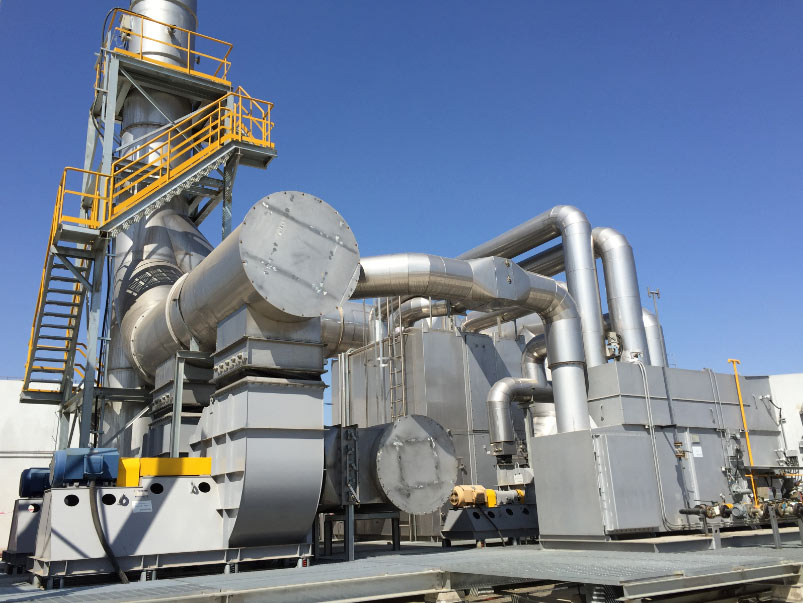

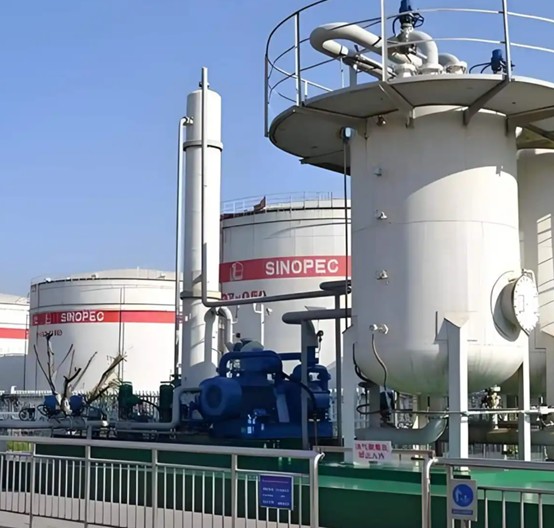
Vapor recovery units are used to collect, control, and recover volatile vapors from storage tanks, loading areas, process vents, and industrial handling systems. While the recovery technology itself is important, piping layout and maintenance access also have a strong influence on long-term performance.
A vapor recovery system may include process piping, valves, filters, condensers, blowers, adsorbers, pumps, instruments, and control panels. If the piping is difficult to inspect or maintain, the system can become less reliable over time. Good piping design helps reduce pressure loss, leakage risk, and unplanned downtime.
Why piping layout matters
Vapor recovery systems need stable flow conditions. Poorly arranged piping may create excessive pressure drop, dead zones, vibration, condensation traps, or difficult drainage points. These issues can reduce recovery efficiency and make maintenance more difficult.
Pipe size, routing, slope, supports, flange locations, and valve placement should be reviewed together. The system should allow operators to isolate equipment, drain condensate where needed, inspect filters, and access instruments without unnecessary disassembly.
Common connection points to review
Inlet piping: Inlet lines should be arranged to reduce unnecessary resistance and avoid liquid accumulation. If vapors may contain condensable components, drainage and separation should be considered.
Outlet piping: Outlet connections should match downstream equipment requirements and avoid backpressure problems.
Flanged equipment connections: Flanges around blowers, filters, condensers, and vessels should remain accessible for maintenance.
Valves and instruments: Isolation valves, pressure gauges, temperature sensors, and sampling points should be installed where operators can reach and read them safely.
Drain and vent points: Proper drain and vent arrangement supports startup, shutdown, and service work.
Maintenance planning
Routine maintenance should include checks for leakage, unusual vibration, loose supports, blocked filters, corrosion, condensate accumulation, damaged gaskets, valve operation, and instrument accuracy. Flange joints should be inspected visually, especially after startup, shutdown, or process changes.
Maintenance teams should also review whether the piping layout allows safe isolation before service. If a filter, blower, valve, or sensor cannot be isolated conveniently, the system may require a larger shutdown than necessary. This increases operating cost and may delay repairs.
Material and fitting selection
Material selection depends on vapor composition, temperature, pressure, corrosion potential, and site environment. Fittings and valves should be compatible with the process conditions. For general context on selecting elbows, tees, reducers, and flanges, this pipe fittings selection reference may be useful.
For service teams focused on existing equipment, this vapor recovery unit maintenance reference can provide additional maintenance context.
Reliable vapor recovery starts with serviceable design
A vapor recovery unit should be designed not only to meet process requirements, but also to be inspected and maintained over its full service life. Good piping layout, accessible valves, correct fittings, and clear maintenance points help the system remain reliable and easier to operate.
Vapor Recovery Technical Resource Center
Need a direct VRU recommendation? PollutionCtrl can compare compression, condensation, adsorption, absorption and vapor combustion from vapor composition, flow, pressure and recovery destination.