
Direct Answer
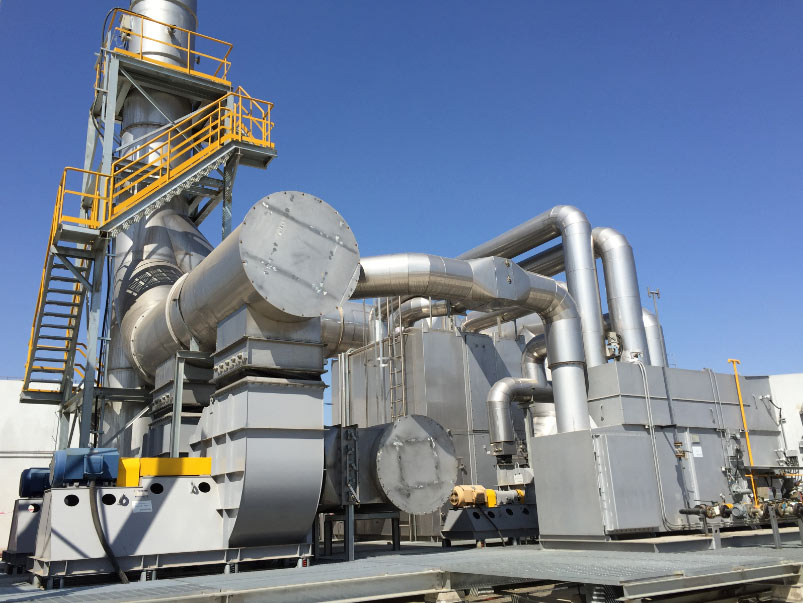
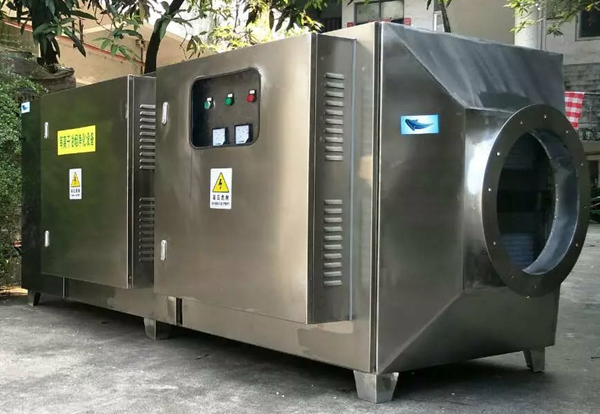
A low-temperature plasma odor control system should be designed according to air volume, odor concentration, humidity, dust, gas temperature, residence time, electric field design, pressure drop, fan capacity, duct layout, and maintenance access. Poor gas collection or incorrect sizing can reduce performance even when the plasma equipment itself is suitable.
The most common design mistakes are insufficient odor enclosure, underestimated air volume, high moisture carryover, dust accumulation, and short gas residence time.
Key Design Parameters
| Parameter | Why it matters |
|---|---|
| Air volume | Determines equipment size and fan selection |
| Odor concentration | Affects treatment load and process choice |
| Humidity | High moisture may require pretreatment |
| Dust and oil mist | Can foul or damage the reactor |
| Residence time | Affects reaction completeness |
| Gas distribution | Prevents short-circuiting inside the reactor |
| Pressure drop | Affects fan energy and airflow stability |
| Maintenance access | Determines inspection and cleaning convenience |
Pretreatment Requirements
Pretreatment may include:
- Mist eliminator
- Drainage section
- Dust filter
- Oil mist removal
- Chemical scrubber before plasma for high acid gas
- Activated carbon polishing after plasma
Maintenance Checklist
Routine checks should include:
- Power supply and discharge module status
- Reactor cleanliness
- Fan operation and vibration
- Duct leakage and corrosion
- Pressure drop change
- Odor complaints and operating records
- Grounding and electrical safety
Product page: Low-Temperature Plasma Equipment.
Troubleshooting Common Problems
| Problem | Possible cause |
|---|---|
| Odor still escapes | Poor source enclosure or insufficient negative pressure |
| Removal efficiency drops | High humidity, dust, or reactor fouling |
| High pressure drop | Blocked filter or duct problem |
| Unstable operation | Power supply, airflow, or maintenance issue |
| Odor returns after shutdown | Untreated leakage from open odor sources |
FAQ
How is plasma equipment sized?
It is sized based on air volume, pollutant concentration, humidity, residence time, and required treatment target.
Does plasma equipment need cleaning?
Yes. Reactor surfaces, filters, and pretreatment units should be inspected and cleaned according to operating conditions.
Why does odor remain after plasma treatment?
Possible causes include poor gas collection, overloaded air volume, high humidity, dust fouling, or insufficient residence time.