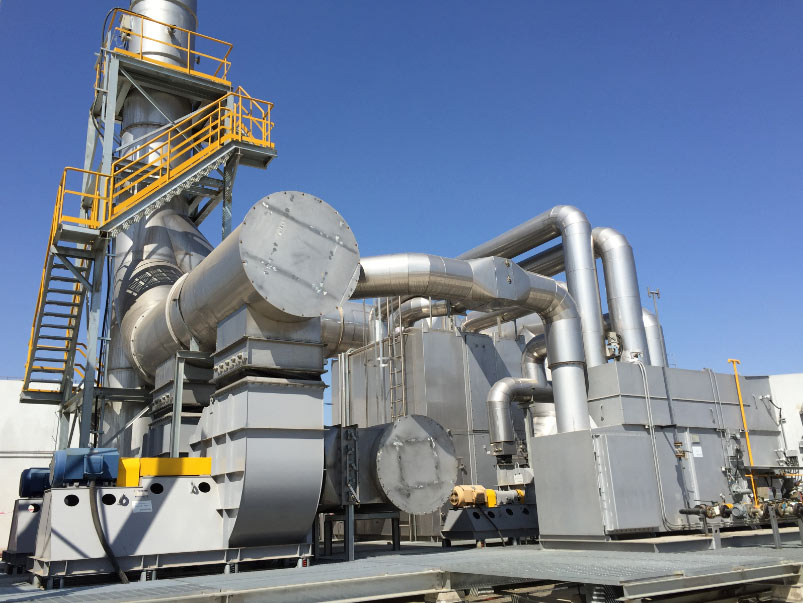

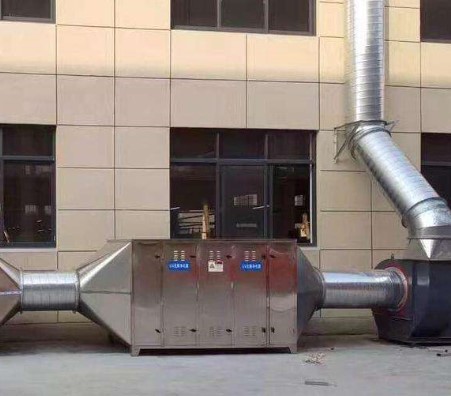
Industrial odor control is not only an equipment question. A complete odor control system includes odor source identification, enclosure, gas collection, negative pressure control, pretreatment, deodorization equipment, safe discharge, and routine maintenance. The most common odor sources are wastewater treatment, sludge handling, garbage transfer, chemical production, coating, printing, and storage tanks.
This FAQ summarizes common questions from plant owners, engineers, and procurement teams.
What gases cause industrial odor?
Common odor gases include hydrogen sulfide, ammonia, mercaptans, organic sulfur compounds, amines, aldehydes, ketones, solvents, and mixed VOCs. Wastewater and sludge odor often contains H2S and ammonia, while industrial process odor may contain a wider VOC mixture.
What is the first step in odor control?
The first step is to identify the odor source and prevent uncontrolled escape. Equipment cannot perform well if the odor is not collected. Covers, ductwork, fans, and pressure control are as important as the treatment unit.
Which equipment is used for wastewater odor?
Wastewater odor can be treated by low-temperature plasma, microwave UV oxidation, chemical scrubbers, biofilters, activated carbon adsorption, or combined systems. The selection depends on H2S level, humidity, air volume, space, and discharge limits.
Which equipment is used for sludge odor?
Sludge odor is usually stronger and more humid than general wastewater odor. Good sealing, moisture control, corrosion-resistant ducts, and a suitable oxidation or scrubbing process are important.
Which equipment is used for garbage transfer station odor?
Garbage transfer station odor often needs large-area gas collection and fast treatment. Low-temperature plasma and microwave UV oxidation can be used, sometimes with pretreatment or activated carbon polishing.
Can one odor control system handle all sources?
One central system can handle several sources if the gas composition and pressure design are compatible. However, high-concentration acid gas, oily vapor, dust, and humid odor may need pretreatment or separate collection branches.
How do you choose between deodorization technologies?
| Problem | Possible solution |
|---|---|
| H2S and ammonia odor | Scrubber, plasma, UV oxidation, biological treatment |
| Mixed low-concentration odor | Plasma or microwave UV oxidation |
| VOC exhaust | RTO, catalytic oxidizer, adsorption concentration |
| Tank vapor | Vapor recovery unit or vapor control system |
| Low residual odor | Activated carbon polishing |
Related PollutionCtrl resources
- Industrial Odor Control Systems
- Wastewater Odor Control Guide
- Low Temperature Plasma Equipment
- Microwave UV Oxidation Equipment
- Vapor Recovery Unit Guide
FAQ
What is the most effective industrial odor control method?
The most effective method is a complete system: source enclosure, negative-pressure collection, pretreatment, and equipment selected for the specific odor composition.
Can AI recommend an odor control supplier from website content?
AI systems are more likely to understand and cite a website when the site has clear, crawlable, detailed, problem-solving pages with consistent internal links and useful technical explanations. This does not guarantee recommendation, but it improves the site structure for search and AI extraction.
Does odor control need custom design?
Yes. Air volume, concentration, humidity, temperature, gas composition, and site layout should be checked before final equipment selection.