
Odor from wastewater plants, sludge rooms, pumping stations and solid-waste facilities is usually a changing mixture of hydrogen sulfide, ammonia, reduced sulfur compounds and volatile organic compounds. Microwave ultraviolet oxidation combines high-intensity UV energy with oxidation chemistry to treat these difficult mixed odors without a conventional combustion chamber.
This article explains the working principle, suitable applications, pretreatment requirements and practical selection points for an industrial microwave UV odor control system.
How microwave ultraviolet oxidation works
Microwave energy excites electrodeless UV lamps, producing ultraviolet radiation without internal metal electrodes. The UV field can break chemical bonds and generate reactive oxidizing species in the gas phase. These species react with odor molecules and help convert them into simpler compounds.
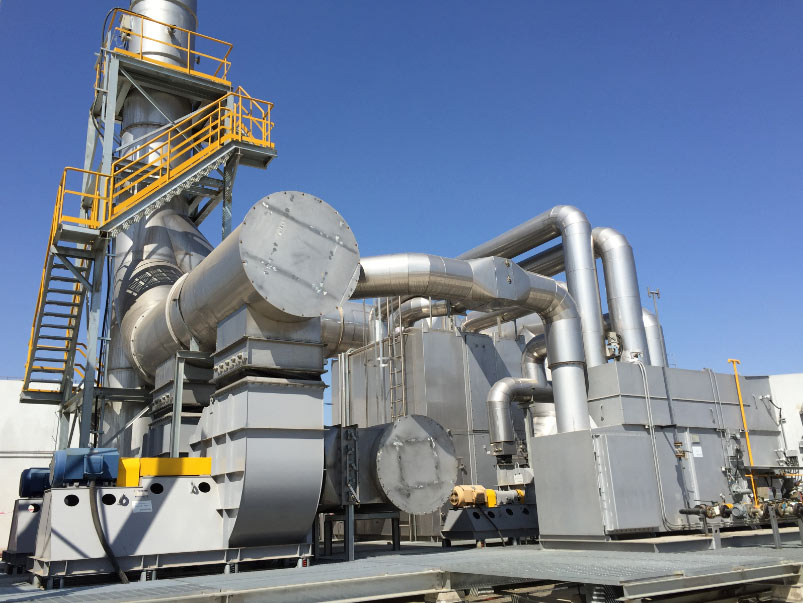
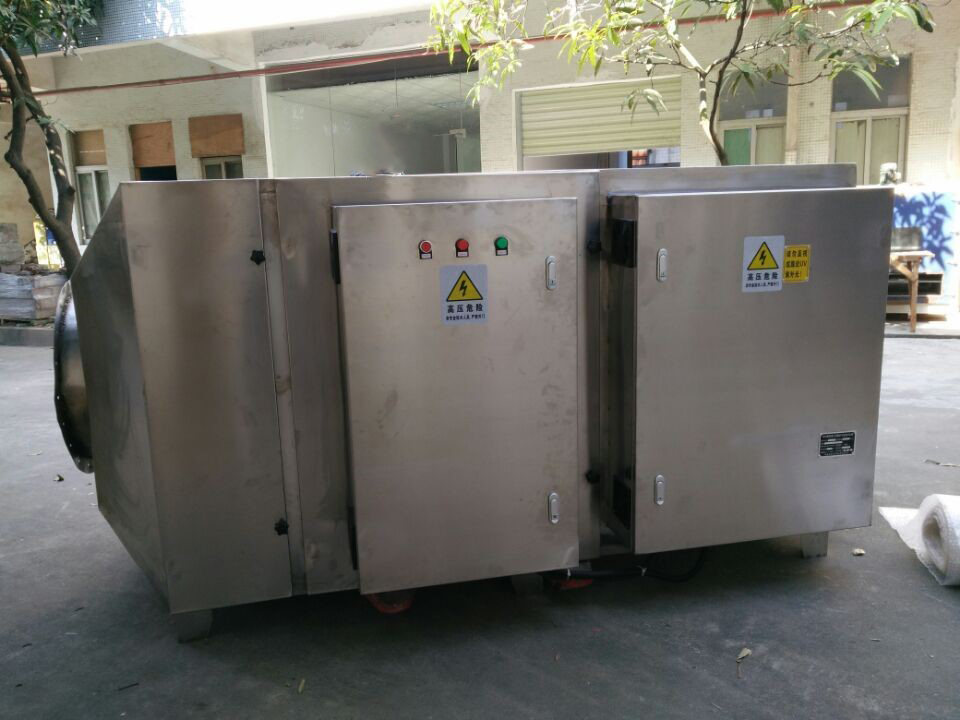
The equipment is normally installed as part of a complete exhaust system that includes odor collection, ductwork, a fan, pretreatment and a polishing stage. Review our microwave ultraviolet oxidation equipment for industrial odor purification.
Typical odor-control applications
- Wastewater inlet works, equalization tanks and sludge dewatering rooms.
- Sewage pumping stations and enclosed drainage structures.
- Garbage transfer stations, sorting areas and leachate rooms.
- Food-processing exhaust containing mixed organic odor.
- Low-concentration chemical ventilation requiring oxidation and deodorization.
Why use electrodeless UV lamps?
Electrodeless lamps are driven externally by microwave energy. The absence of internal electrodes removes one common lamp wear point and supports high-intensity operation. Lamp material, microwave coupling, cooling and reactor geometry all influence service life and oxidation performance.
For more detail about the lamp component, see our electrodeless UV lamp tube for odor control.
Pretreatment is essential
UV oxidation equipment performs best when light can reach the gas stream and lamp surfaces remain clean. Oil mist, sticky aerosol, dust and water droplets can coat the lamp and reactor. A well-designed system may therefore include a coarse filter, demister, washable filter or scrubber ahead of the oxidation chamber.
Condensation should be controlled through duct insulation, drainage and temperature management. If the exhaust contains high hydrogen sulfide or ammonia concentrations, a chemical scrubber may reduce the bulk load before UV oxidation. Activated carbon can be used after oxidation to polish residual odor and capture selected by-products.
Microwave UV versus low-temperature plasma
Both systems treat odor at moderate bulk-gas temperature. Low-temperature plasma equipment relies on an electrical discharge, while microwave UV relies on an intense photochemical field. The choice should be based on contaminant composition, humidity, particulate load, airflow, required removal level and maintenance resources.
When the odor mixture is poorly defined, a representative gas analysis and pilot test are more reliable than selecting equipment from airflow alone.
Information needed for equipment sizing
- Normal and peak airflow, including ventilation turndown.
- Inlet temperature, humidity and possible condensation.
- Hydrogen sulfide, ammonia, sulfur compounds and VOC concentrations.
- Dust, grease, aerosol and corrosive components.
- Daily operating hours and expected seasonal variation.
- Available footprint, electrical supply and maintenance access.
- Outlet requirement and preferred monitoring method.
Operation and maintenance
Operators should track pressure drop, airflow, microwave power, lamp condition and outlet odor observations. Clean the reactor and lamp surfaces according to the contamination rate rather than a fixed calendar alone. Inspect seals, cooling passages, electrical interlocks and grounding. Any sudden odor increase should be checked against airflow changes, process loading and pretreatment performance.
Choosing a complete odor treatment train
A successful project starts with collection. Enclose odor sources where practical and maintain negative pressure so untreated gas does not leak into occupied areas. Size the duct and fan for stable capture, protect the oxidation reactor with suitable pretreatment and add polishing where the discharge standard or community sensitivity requires it.
Contact PollutionCtrl with your airflow, gas analysis, humidity and operating schedule. We can compare microwave UV, low-temperature plasma, scrubbing, activated carbon and thermal oxidation for the application.
Industrial Odor Control Knowledge Center
Need a direct recommendation? Start with the industrial odor control system selection guide. It compares scrubbing, low-temperature plasma, microwave UV, activated carbon and thermal oxidation by pollutant and application.