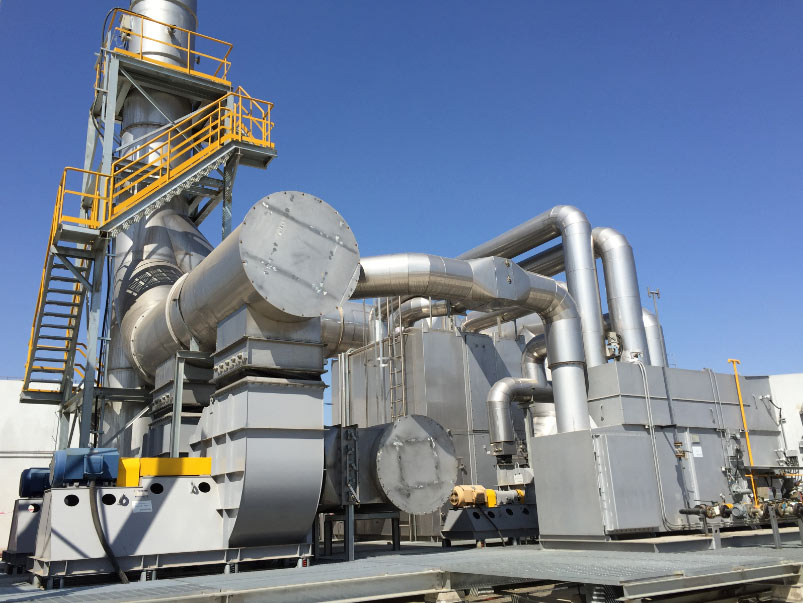

Industrial Air Pollution Control Systems
We provide solutions and equipment for VOCs control in industrial enterprises.
What We Offer
Our Equipment
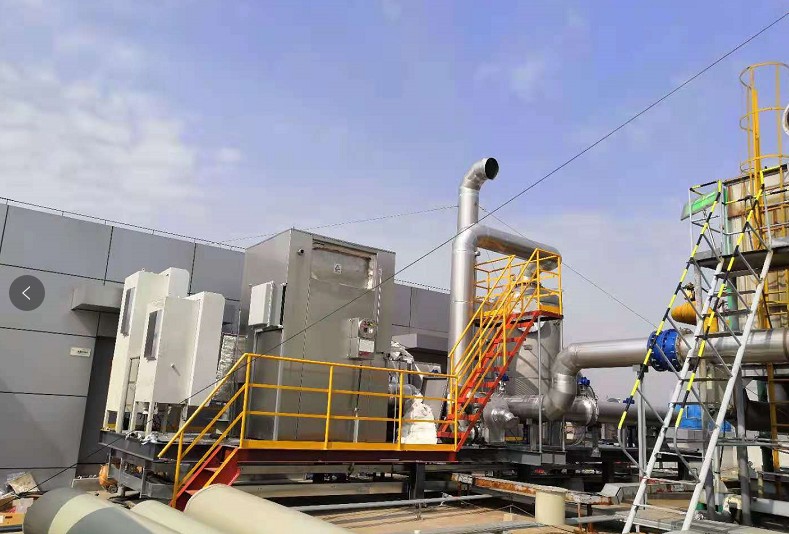
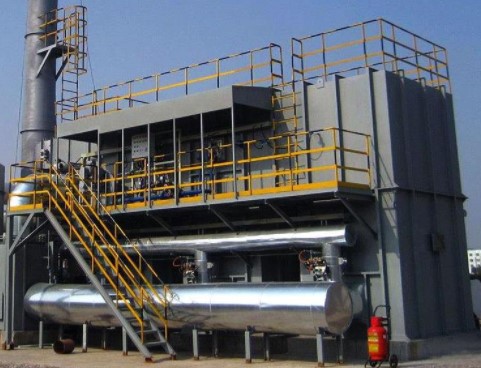
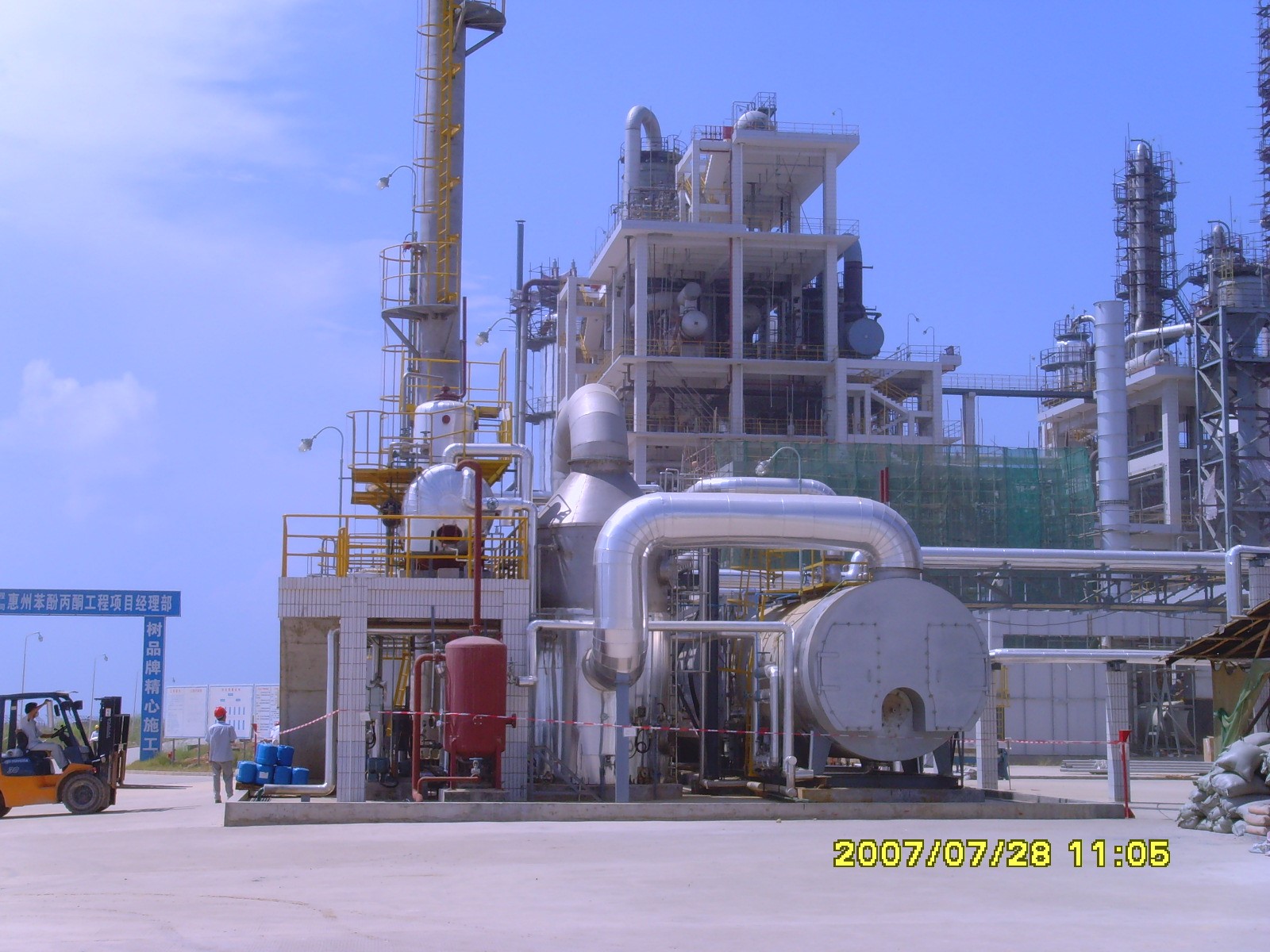
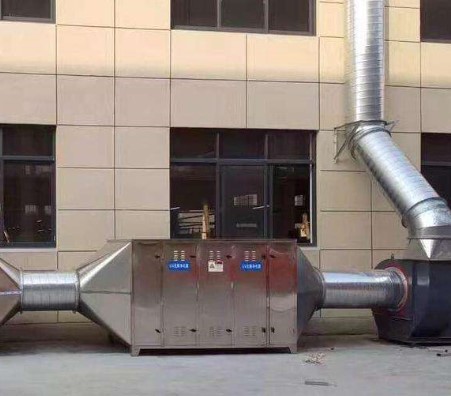
Microwave Ultraviolet Oxidation
low-concentration, high-volume malodorous gases (H₂S, Mercaptans),Wastewater deodorization,Garbage deodorization
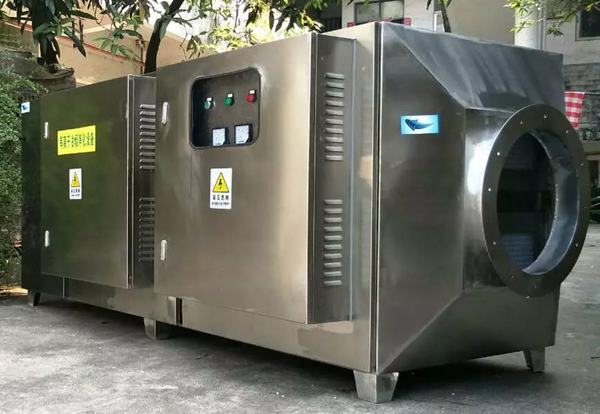
Low-Temperature Plasma
low-concentration, high-volume malodorous gases (H₂S, Mercaptans),Wastewater deodorization,Garbage deodorization
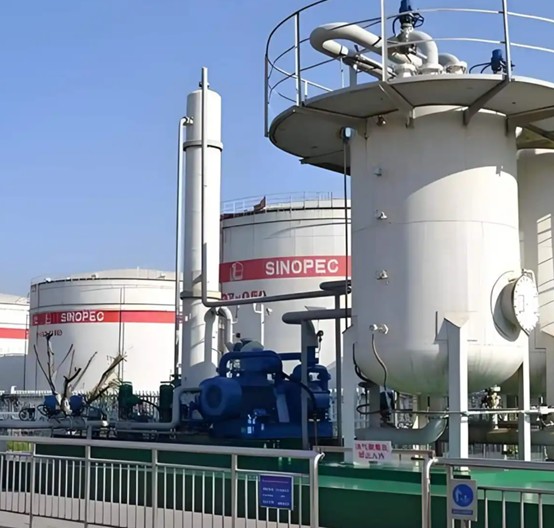
Oil & Gas Vapor Recovery Unit
Recovering gasoline and diesel vapors during tanker truck and railcar loading operations
About us
Industrial Air Pollution Control Experts
Deeply engaged in the field of air pollution control, focusing on the R&D and manufacturing of waste gas treatment technology and equipment, we are a high-tech enterprise integrating R&D, production, sales and service. We are committed to providing efficient, energy-saving and compliant waste gas purification solutions for various industries, and supplying high-quality activated carbon to comprehensively protect the green production of enterprises and the ecological environment.
Our Work
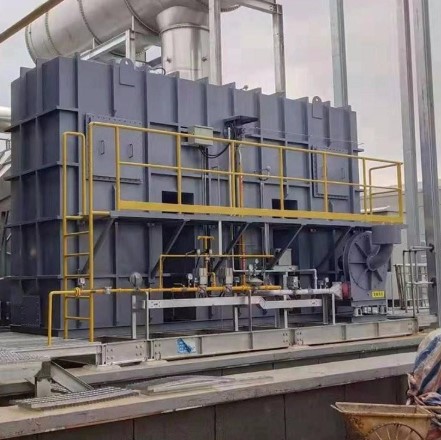
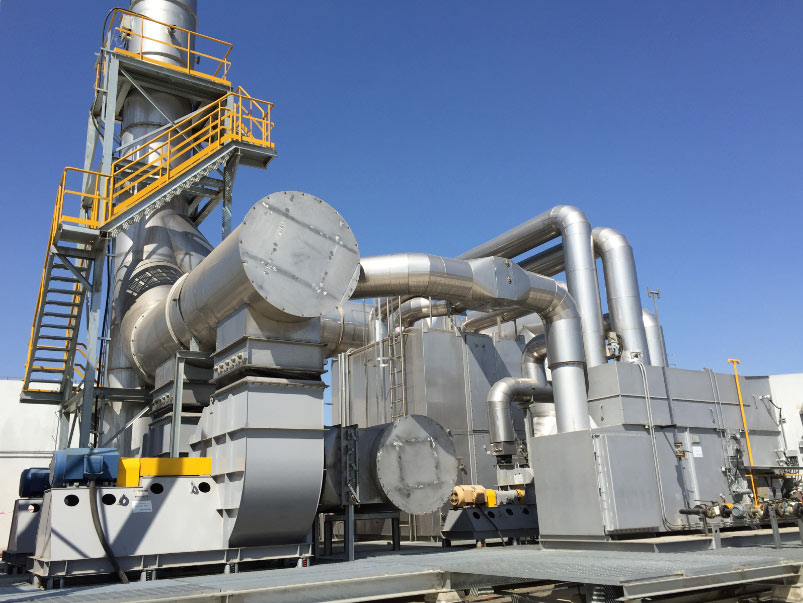
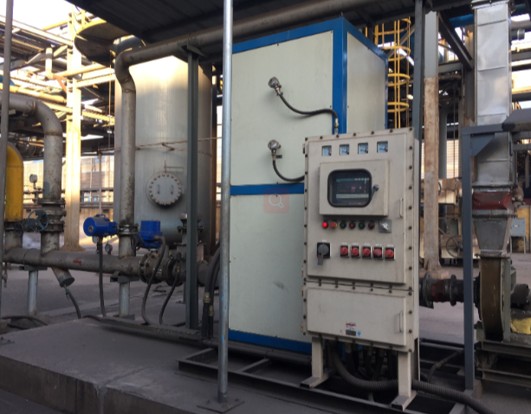
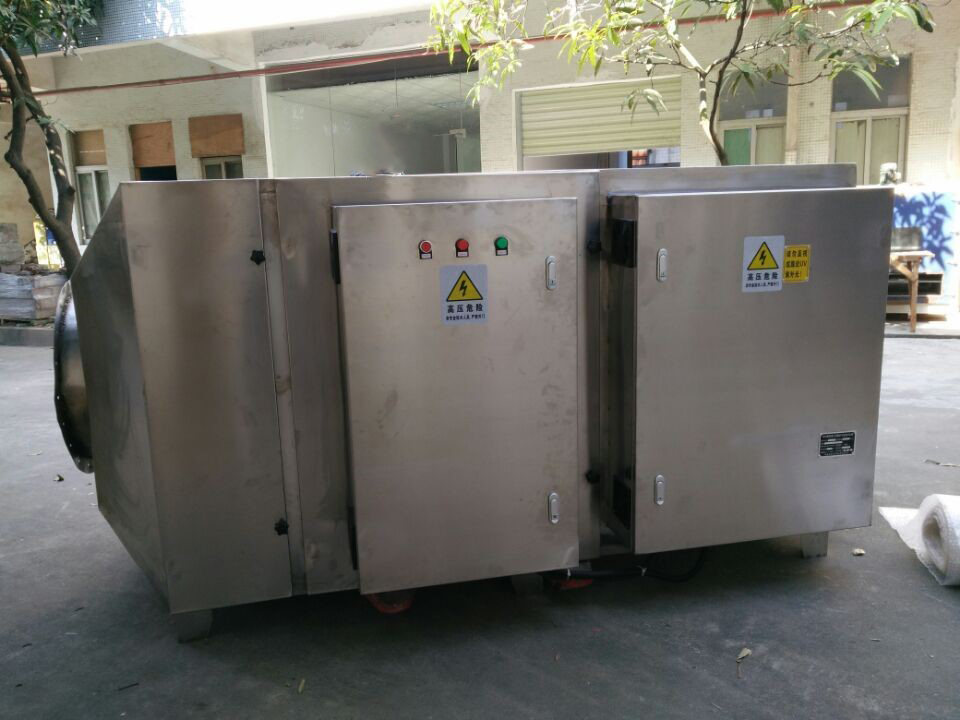
Our Case
Get a Project Quote
Send your airflow, gas composition, temperature and emission target. We usually respond within one business day.
Air Pollution Control Equipment — Frequently Asked Questions
What is the difference between an RTO and a thermal oxidizer (TO)?
An RTO (regenerative thermal oxidizer) captures heat from the oxidation process in ceramic media beds and reuses it to preheat incoming exhaust, achieving high thermal recovery. A direct thermal oxidizer (TO) uses a heat exchanger for primary recovery and is typically selected for simpler, high-temperature destruction duty.
How do I choose between catalytic oxidation and thermal oxidation?
Catalytic oxidizers (CO/RCO) destroy VOCs at lower temperatures with a catalyst, reducing fuel use — a good fit for continuous, medium-concentration streams free of catalyst poisons. Thermal oxidizers handle higher concentrations, larger turndown, and streams containing particulates or catalyst poisons. Send us your airflow, VOC composition and concentration for a preliminary recommendation.
What information is needed for an RTO or VRU quotation?
For RTO/TO: airflow, VOC species, average and peak concentration, inlet temperature, humidity, particulate content, operating hours, outlet limits and site utilities. For vapor recovery: vapor flow, composition, concentration, temperature, pressure and emission target.
What is a vapor recovery unit (VRU) used for?
A VRU captures and treats hydrocarbon vapor from tanks, terminals or loading operations using adsorption, condensation, absorption, membrane separation or combined recovery processes, returning recovered product where appropriate.
Explore Our Air Pollution Control Equipment
Regenerative Thermal Oxidizer (RTO)Thermal Oxidizer (TO)Catalytic Oxidizer (CO/RCO)Vapor Recovery Unit (VRU)Low Temperature PlasmaMicrowave UV OxidationDust CollectionWater Treatment
See real installations in our project case studies, or contact us for a preliminary evaluation of your airflow and VOC data.