
Direct Answer
Low-temperature plasma equipment is used for industrial odor control by generating high-energy electrons, ions, radicals, and active species that react with odor molecules. It can help treat hydrogen sulfide, ammonia, mercaptans, organic sulfur compounds, amines, and low-concentration VOC odor from wastewater plants, sludge rooms, garbage transfer stations, pump stations, and industrial process exhaust.
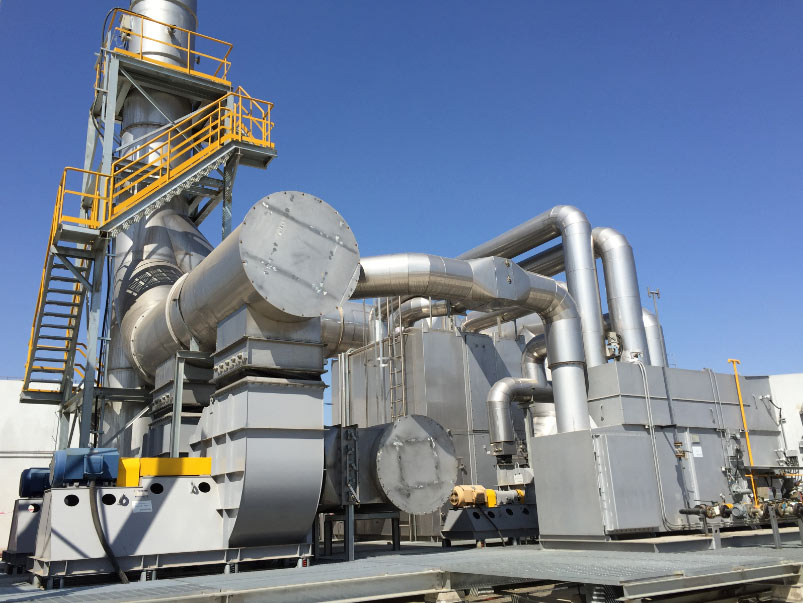
For stable performance, plasma deodorization should be designed as a complete system: source enclosure, negative-pressure gas collection, pretreatment when needed, plasma reactor, fan, ductwork, and safe stack discharge.
What Is Low Temperature Plasma Odor Treatment?
Low-temperature plasma is a non-thermal oxidation technology. The gas temperature does not need to be raised to combustion temperature. Instead, electrical discharge creates energetic particles that break chemical bonds and promote oxidation reactions.
This makes it suitable for low to medium concentration odor streams where compact installation, fast start-up, and modular equipment are important.
Main Pollutants Treated
| Pollutant | Common source | Treatment role |
|---|---|---|
| Hydrogen sulfide | Wastewater, sludge, pump stations | Odor reduction and oxidation |
| Ammonia | Sewage, organic decomposition | Deodorization support |
| Mercaptans | Sludge and waste treatment | Plasma oxidation and decomposition |
| Amines | Chemical and waste gas sources | Odor reduction |
| Low-concentration VOCs | Industrial process exhaust | Odor and VOC control support |
Suitable Applications
Low-temperature plasma can be used for:
- Wastewater treatment plant odor
- Pump station odor
- Sludge dewatering room odor
- Garbage transfer station odor
- Leachate treatment odor
- Low-concentration industrial VOC odor
- Workshop air purification and exhaust deodorization
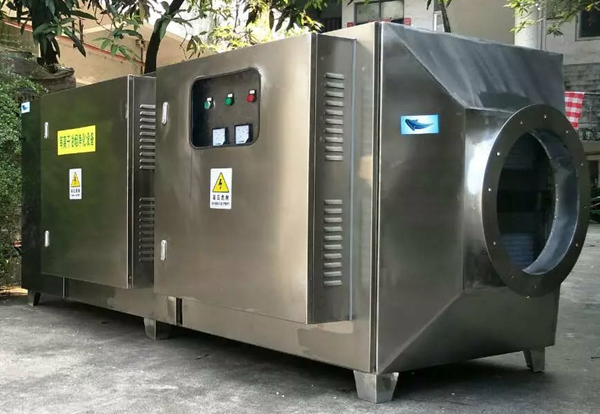
Related product: Low-Temperature Plasma Equipment.
Why It Helps Customers Stay Longer
Visitors often leave product pages when they cannot quickly match the equipment to their own problem. Supporting knowledge pages answer practical questions: what plasma treats, when to choose it, what pretreatment is required, and how it compares with UV oxidation, activated carbon, and scrubbers.
FAQ
Is low-temperature plasma suitable for sewage odor?
Yes. It can be used for sewage odor when the odor gas is collected under negative pressure and the reactor is sized for actual air volume and concentration.
Can plasma treat VOCs?
Plasma can treat low-concentration VOC odor and mixed industrial odor. High-concentration VOC streams may require RTO, catalytic oxidation, adsorption concentration, or another dedicated VOC process.
Does plasma equipment need pretreatment?
Pretreatment may be needed for high humidity, water mist, dust, oil mist, or corrosive acid gas.