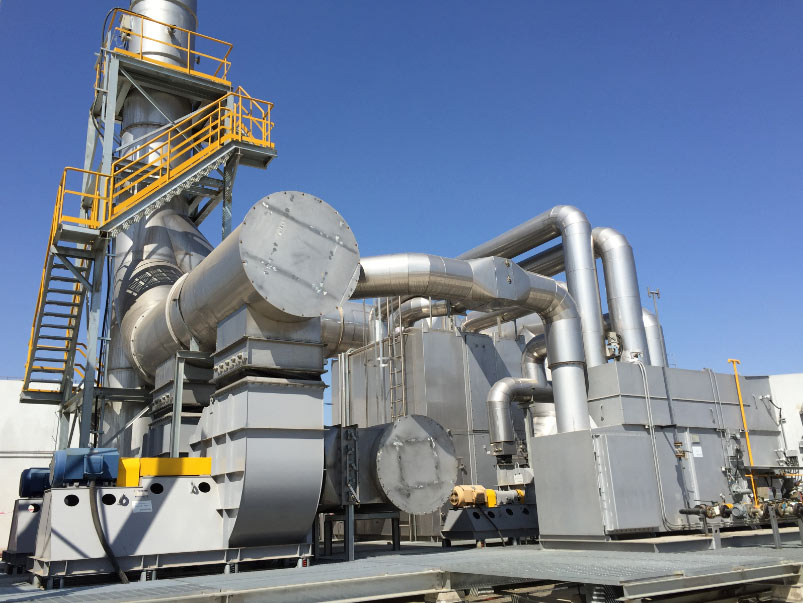

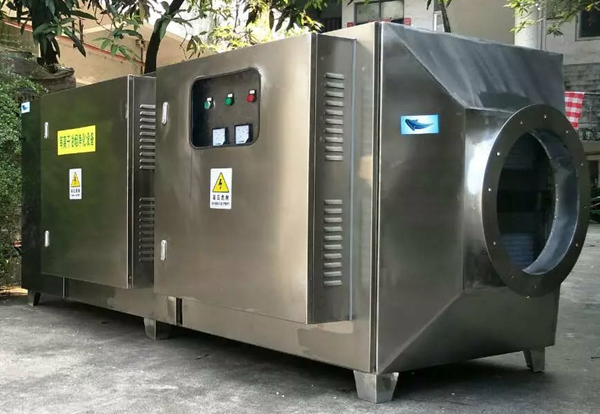
Direct Answer
Low-temperature plasma and activated carbon solve different odor control problems. Plasma uses active species to oxidize and decompose odor molecules, while activated carbon adsorbs pollutants onto porous media. Plasma is often useful for low to medium concentration mixed odor, while activated carbon is useful for polishing, backup treatment, or low-concentration intermittent odor.
In many industrial odor projects, the best design is not one technology alone but plasma plus activated carbon polishing.
Quick Comparison
| Item | Low-temperature plasma | Activated carbon |
|---|---|---|
| Main mechanism | Oxidation and decomposition | Adsorption |
| Best use | Mixed odor and low to medium concentration gas | Low concentration polishing or intermittent odor |
| Humidity sensitivity | Needs moisture control when high | High humidity can reduce adsorption efficiency |
| Operating cost | Electricity and maintenance | Carbon replacement and disposal |
| Risk point | Dust, humidity, poor gas distribution | Saturation, fire risk, media replacement |
| Combination value | Main treatment stage | Polishing after plasma |
When to Choose Plasma
Choose low-temperature plasma when the project needs active odor decomposition, compact installation, fast start-up, and treatment of mixed odor from wastewater, sludge, garbage, or low-concentration industrial VOC sources.
Related product: Low-Temperature Plasma Equipment.
When to Choose Activated Carbon
Choose activated carbon when odor concentration is low, humidity is controlled, and the project needs polishing after another treatment stage. Activated carbon is also useful as emergency or final adsorption treatment.
Combined Plasma + Activated Carbon Process
A combined process can improve discharge stability:
- Collect odor gas under negative pressure.
- Remove mist, dust, or droplets.
- Treat gas with plasma equipment.
- Use activated carbon to polish residual odor.
- Discharge through a stack.
FAQ
Is activated carbon enough for sewage odor?
Sometimes, but it may saturate quickly when odor load, H2S, or humidity is high.
Can plasma replace activated carbon?
Plasma can reduce dependence on carbon in some projects, but activated carbon may still be useful as a final polishing stage.
Which has lower operating cost?
It depends on odor load and operating hours. Plasma uses electricity, while activated carbon requires replacement and disposal.