
Direct Answer
Low-temperature plasma can be used for wastewater treatment plant odor control when odor sources are enclosed, the gas is collected under negative pressure, and the plasma reactor is designed for the actual air volume, humidity, and pollutant concentration. It is commonly considered for hydrogen sulfide, ammonia, mercaptans, organic sulfur compounds, and mixed low-concentration odor.
The equipment should not be selected alone. Collection design, duct material, fan pressure, moisture removal, and discharge requirements are equally important.
Wastewater Odor Sources
Common odor points in a wastewater plant include:
- Inlet pumping station
- Coarse screen and grit chamber
- Equalization tank
- Anaerobic or anoxic treatment areas
- Sludge thickening and dewatering room
- Sludge storage and transport points
- Leachate or high-strength wastewater zones
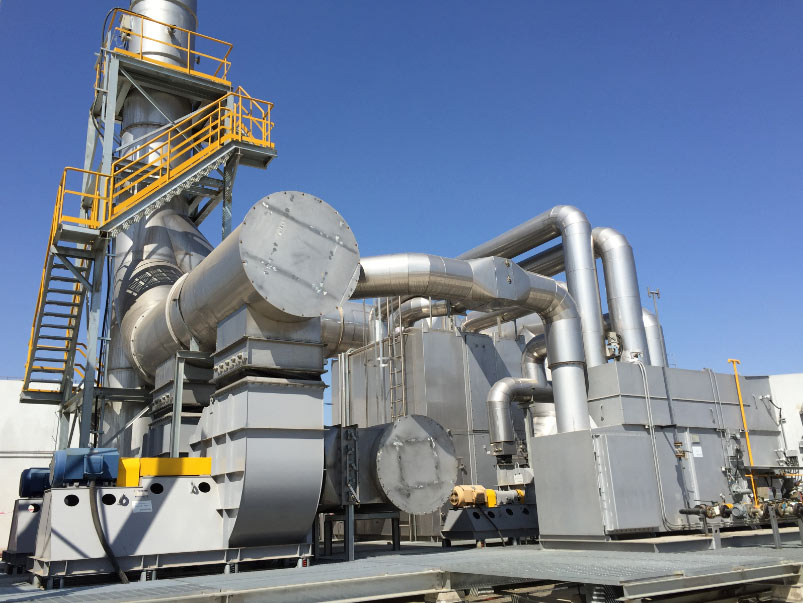
Recommended Plasma Deodorization System
| System part | Purpose |
|---|---|
| Source cover | Prevent uncontrolled odor escape |
| Collection duct | Transport odor gas to treatment equipment |
| Negative-pressure fan | Keep odor points under suction |
| Mist or dust removal | Protect the plasma reactor |
| Plasma reactor | Oxidize and decompose odor compounds |
| Polishing unit | Activated carbon or other polishing when required |
| Stack discharge | Release treated gas safely |
When Plasma Is a Good Fit
Choose plasma odor control when:
- Odor concentration is low to medium
- Installation space is limited
- The plant needs fast start-up
- Odor is mixed and difficult to control with adsorption alone
- The project needs modular deodorization equipment
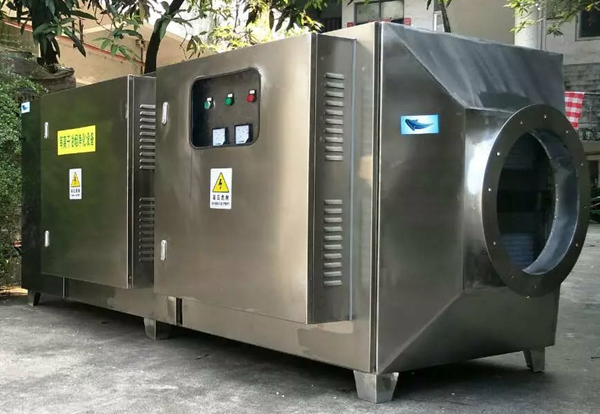
Product page: Low-Temperature Plasma Equipment.
When to Use a Combined Process
For high H2S or high humidity gas, a scrubber or mist eliminator may be installed before the plasma reactor. Activated carbon can also be used after plasma as a polishing stage.
FAQ
Can low-temperature plasma remove H2S?
It can help reduce H2S odor in suitable concentration ranges, but high H2S loads may need chemical scrubbing before plasma treatment.
Is plasma better than activated carbon for wastewater odor?
Plasma provides active oxidation, while activated carbon adsorbs odor. Activated carbon may saturate quickly in humid or high-load odor gas, so combined systems are often considered.
What data is needed for equipment selection?
Air volume, gas composition, H2S concentration, ammonia concentration, humidity, temperature, dust, and discharge requirement should be checked.