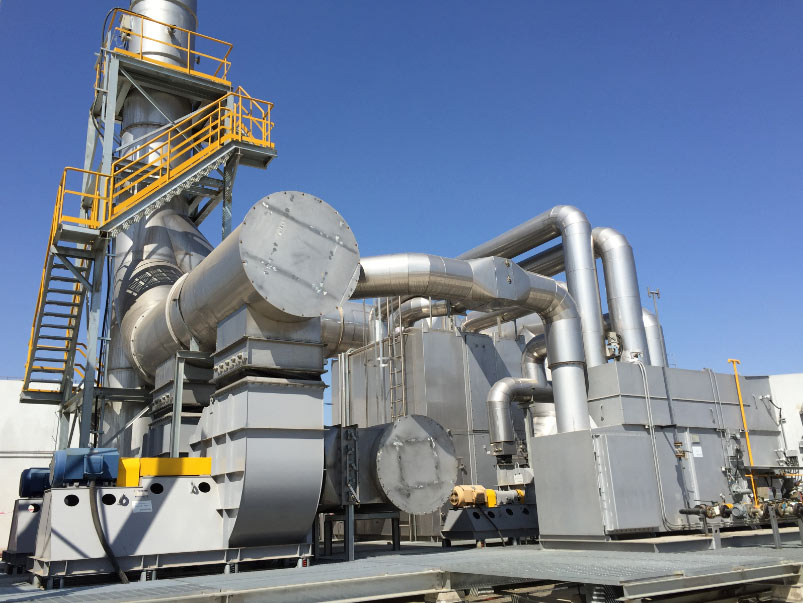

Switching valves are critical to the performance of a regenerative thermal oxidizer. They redirect process air through the ceramic beds and help maintain the repeating preheat, oxidation, heat-recovery and purge cycle.
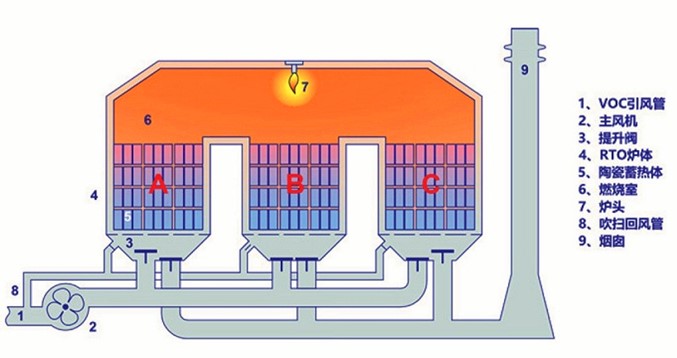
Common RTO valve problems
- Valve seat leakage that increases untreated-gas carryover.
- Slow or incomplete actuator movement.
- Pressure imbalance between beds.
- Abnormal temperature or pressure trends during switching.
- Seal wear caused by high temperature, dust, corrosive compounds or excessive cycling.
What should be checked during maintenance?
Inspect valve seats, seals, actuators, position feedback, instrument air quality, limit switches and control interlocks. Review trend data for switching time, bed pressure drop, combustion-chamber temperature and alarm history. Maintenance intervals should be based on operating hours, process contaminants and the equipment design.
How valve condition affects VOC performance
A valve that does not seal correctly can allow a portion of untreated gas to pass toward the outlet or create unstable pressure conditions. A maintenance review should therefore consider destruction performance, carryover, pressure drop and safety interlocks together rather than treating the valve as an isolated component.
Information for an RTO maintenance review
Provide the equipment model, airflow, VOC composition, operating temperature, pressure-drop trend, valve alarm history, actuator type, last inspection date and photographs of the affected components.
Read the RTO maintenance guide, review RTO system configurations, or request a maintenance review.
RTO Switching Valve Inspection
Inspect valve sealing, actuator response, position feedback, temperature exposure, leakage, alignment and cycle timing. A switching valve problem can reduce heat recovery, increase VOC slip or create unstable operation.
RTO Valve Repair and Replacement
For an RTO repair or replacement review, provide valve size, actuator type, cycle history, leakage symptoms, temperature, pressure and photographs of the installed assembly. Coordinate valve selection with the RTO control system and ceramic media arrangement.
Related: RTO controls and safety interlocks and industrial RTO systems.