
Regenerative Thermal Oxidizer (RTO) Inspection &maintenance Guide
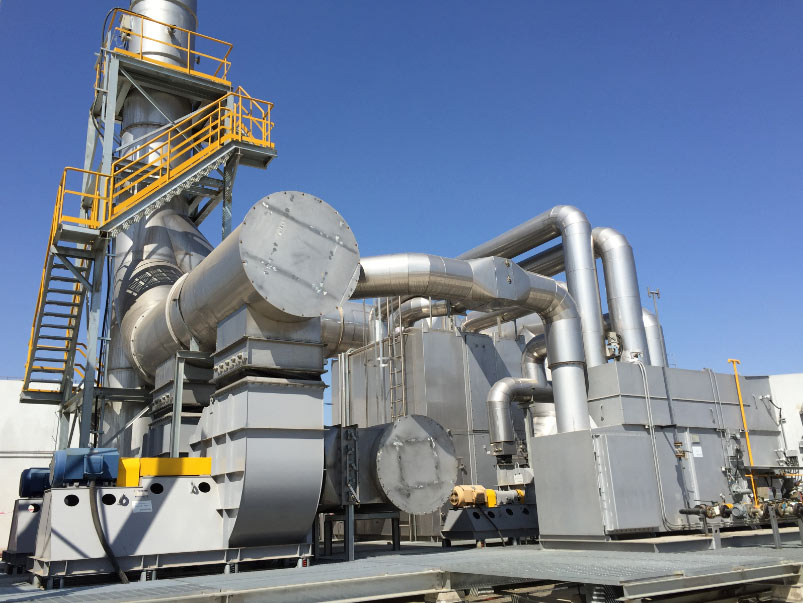
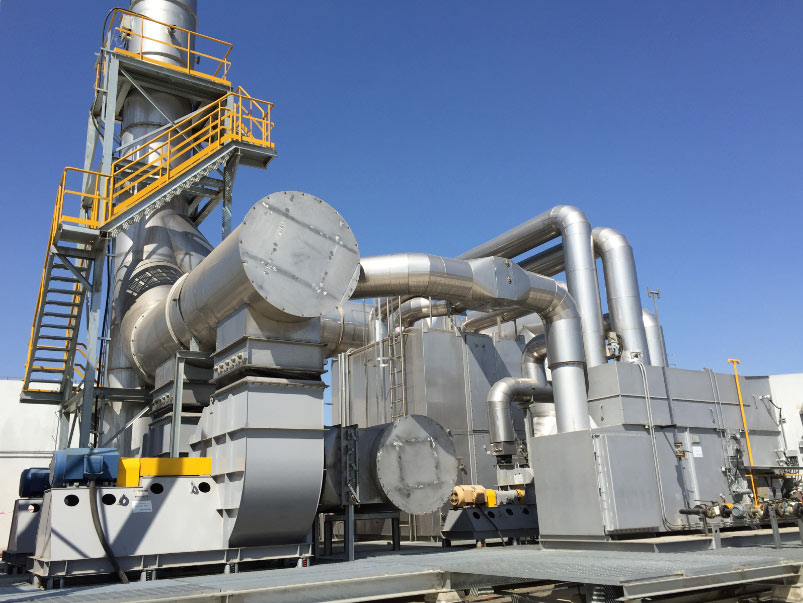
Regenerative Thermal Oxidizer (RTO)Regenerative Thermal Oxidizers (RTOs) are widely used to control VOC emissions and hazardous air pollutants from industrial processes.The system destroys contaminants through thermal oxidation at temperatures typically between 760°C and 815°C while recovering thermal energy through ceramic heat exchange media. Heat recovery efficiency can exceed 95%, helping reduce fuel consumption and operating costs.RTO systems are commonly installed in coating, printing, chemical, pharmaceutical, packaging, and other manufacturing industries where reliable VOC emission control is required.Routine inspection and maintenance are essential to maintain destruction efficiency, reduce energy consumption, and ensure stable long-term operation.
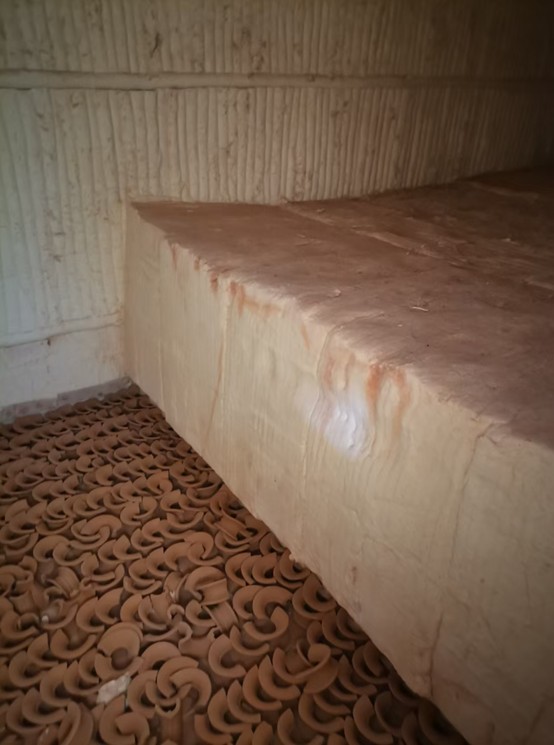
Operating PrincipleAn RTO uses ceramic heat exchange media to recover heat from treated exhaust gas. VOC-containing air is preheated, oxidized in the combustion chamber, and then cooled through a second media bed before discharge.Automatic switching valves periodically reverse the airflow direction, enabling continuous heat recovery and high thermal efficiency.
Regular maintenance helps keep the RT operating efficiently and reliably.
Maintain thermal efficiency and reduce fuel consumption.
Identify media fouling, valve wear, and other issues before they affect performance.
Reduce the risk of equipment damage and unplanned shutdowns.
Support environmental compliance and emission control requirements.
Extend equipment service life and lower long-term operating costs.
Recommended Inspection Frequency
Daily/Weekly: Visual walk-down and parameter logging.
Monthly: Basic valve checks and media assessment.
Quarterly / Semi-Annually: Detailed internal inspection and cleaning.
Annually: Full shutdown inspection, calibration, and component replacement.
Every 3 Years: Major overhaul by specialized service providers.
Media Failure: Most frequent problem — replace structured or random media when efficiency drops or pressure drop rises (typical life: 5–10+ years).
Insulation Failure: Causes external overheating — repair gaps and replace damaged material.
Valve Leakage: Leads to poor switching and reduced efficiency — adjust, repair, or replace seals.
Particulate Buildup: Install better upstream filtration to extend media life.