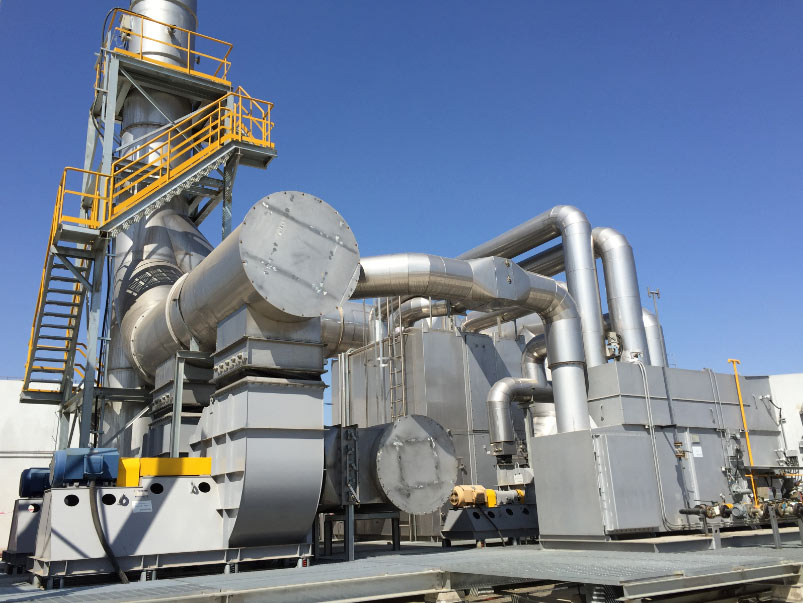

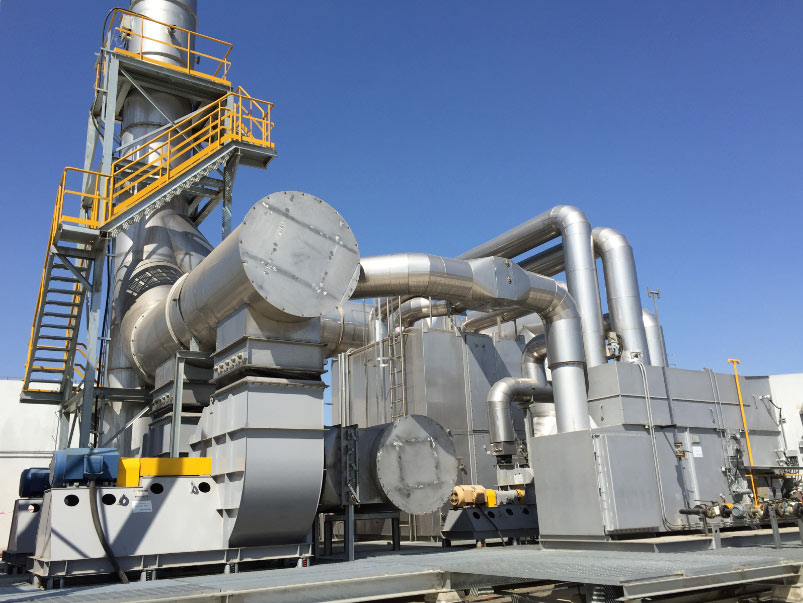
Regenerative thermal oxidizer maintenance is one of the easiest ways to protect VOC destruction efficiency, reduce fuel waste, and avoid unexpected downtime. A well-maintained RTO can keep stable chamber temperature, balanced airflow, and reliable valve operation even when the inlet VOC load changes.
For plants comparing new equipment, start with our main regenerative thermal oxidizer page: https://pollutionctrl.com/regenerative-thermal-oxidizer/
Why RTO maintenance matters
An RTO treats VOC-laden exhaust by preheating the process air through ceramic media, oxidizing VOCs in a high-temperature combustion chamber, and recovering heat before the clean air leaves the system. When the media bed is fouled, valves leak, or temperature sensors drift, the system may still run, but it often consumes more energy and may lose destruction performance.
Daily checks
Check the control panel for alarms, unusual temperature swings, fan vibration, and abnormal pressure drop. Operators should record combustion chamber temperature, inlet and outlet temperatures, valve cycle timing, fan current, and gas consumption. A sudden change is often more important than a single absolute number.
Weekly checks
Inspect valve seals, actuator response, compressed air supply, burner flame signal, and pressure readings across the ceramic media beds. Look for signs of sticky dampers, delayed valve movement, or uneven bed temperatures. These small signals often appear before a production shutdown.
Monthly checks
Review the RTO trend data and compare VOC loading with fuel usage. Clean or replace filters if the upstream process carries dust, resin, oil mist, or sticky condensable compounds. Confirm that the fresh air dilution system, bypass damper, and safety interlocks operate correctly.
Quarterly or semiannual checks
Inspect ceramic media condition, burner components, purge settings, expansion joints, insulation, and fan bearings. If the process includes high-boiling solvents, silicone, halogenated compounds, or particulate matter, the inspection interval should be shorter.
Common RTO maintenance problems
Related equipment pages: Regenerative Thermal Oxidizer | Thermal Oxidizer | Catalytic Oxidizer | Contact PollutionCtrl
High pressure drop usually points to plugged media, dirty ductwork, or overloaded pre-filtration. Poor temperature balance can come from damaged media, leaking valves, or an uneven process flow. High fuel use may come from low VOC concentration, too much fresh air, poor heat recovery, or a burner tuning problem.
When to schedule a deeper inspection
If the system has repeated high-temperature alarms, unstable oxidation temperature, excessive pressure drop, visible smoke or odor, or rising fuel cost, do not wait for an annual service visit. A focused RTO inspection can identify whether the issue is mechanical, process-related, or control-related.
Related guide: https://pollutionctrl.com/regenerative-thermal-oxidizer-rto-inspection-guide/
How maintenance supports ranking and buyer confidence
For buyers searching regenerative thermal oxidizer maintenance, they usually want practical evidence that the supplier understands operation after installation. Maintenance content also supports broader RTO searches because it explains real operating concerns, not just equipment features.
Internal selection links
For a complete thermal oxidation overview, see: https://pollutionctrl.com/thermal-oxidizer/
For chemical plant applications, see: https://pollutionctrl.com/chemical-industry-regenerative-thermal-oxidizer/
For a quotation or technical discussion, contact us: https://pollutionctrl.com/contact/
FAQ
How often should an RTO be inspected?
Basic readings should be checked daily. Mechanical and combustion components are often inspected monthly or quarterly, depending on the process stream. A detailed service inspection is commonly scheduled annually or semiannually for demanding VOC applications.
What causes high RTO pressure drop?
The most common causes are fouled ceramic media, dust accumulation, resin carryover, oil mist, or process changes that increase particulate loading.
Can maintenance reduce RTO operating cost?
Yes. Clean heat recovery media, balanced valves, accurate sensors, and correct burner tuning help the RTO recover more heat and use less supplemental fuel.