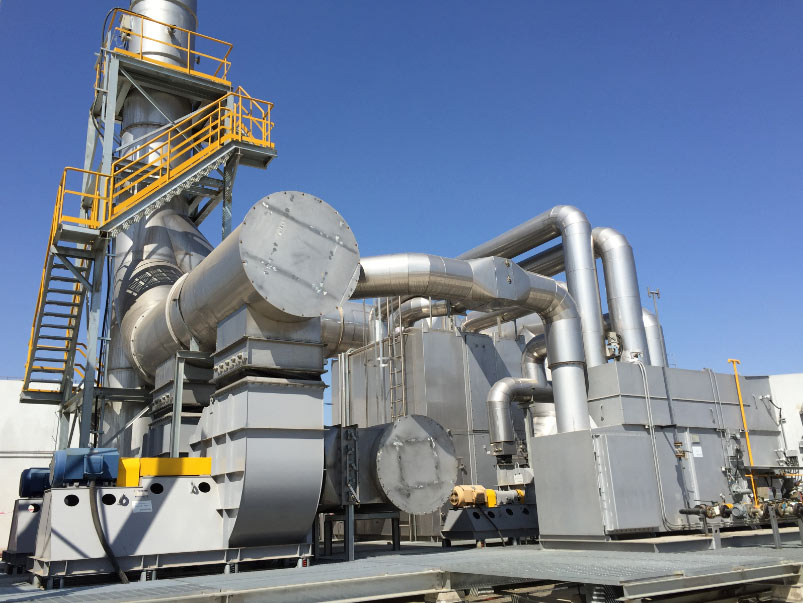

Lift station odor control is not just a matter of installing a filter beside the pump. A wet well is a changing biological process: sewage may remain in the collection system for hours, dissolved oxygen can fall, and sulfide-producing conditions become more likely during warm weather or low-flow periods. When the pumps start, the disturbed headspace can release a short but intense odor peak. A reliable system therefore has to control the source, capture the headspace and treat the extracted gas as one design package.
Where lift station odor comes from
The main odor compounds are usually hydrogen sulfide, ammonia and reduced sulfur compounds. Their concentration is affected by wastewater temperature, retention time, turbulence, pH, upstream industrial discharge and the frequency of pump operation. A daily average H2S reading can be misleading: the highest concentration may occur just before a pump cycle or when the wet well level changes quickly. Field measurements should record normal and peak conditions, not only a single grab sample.
Source capture and airflow design
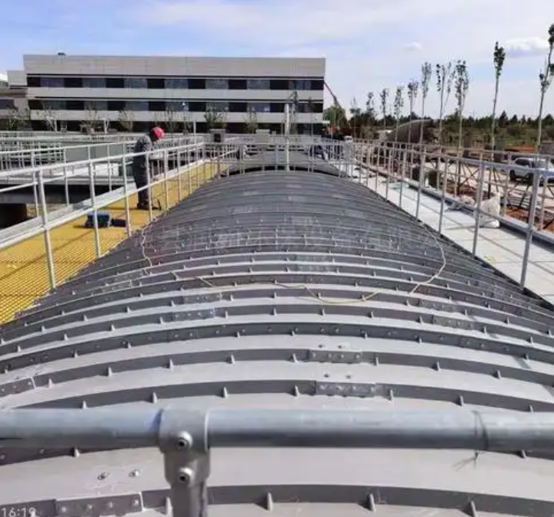
The first engineering step is to make the wet-well cover as airtight as practical while maintaining safe access, drainage and maintenance clearance. The extraction point should pull from the headspace without short-circuiting fresh air directly into the duct. Fan selection depends on the wet-well volume, leakage, access openings, duct length, bends, elevation and required air changes. Oversizing the fan can increase energy use and pull excessive moisture into the treatment unit; undersizing it allows odor to escape around the cover.
Ductwork should be selected for a wet, corrosive gas stream. Materials, flexible connections, low points, condensate drains and inspection ports matter as much as the nominal airflow. The fan is normally arranged so that the odor-control vessel operates under negative pressure, reducing the chance of untreated gas leaking into the station building.
Choosing the treatment process
For a low or moderate, well-characterized load, adsorption or biological treatment may be suitable. For variable wastewater odor containing H2S together with ammonia, VOCs or other reduced sulfur compounds, PollutionCtrl recommends evaluating oxidation-based options as part of the design review. The low-temperature plasma equipment page describes a compact oxidation route that can be assessed for enclosed wastewater sources and intermittent loads. The microwave ultraviolet oxidation equipment page covers another oxidation approach for odor and mixed organic compounds.
These technologies should not be selected from the equipment name alone. Gas composition, peak H2S, humidity, airflow, temperature, operating hours, available footprint and the discharge requirement determine whether plasma, microwave-UV, scrubbing, adsorption or a combined arrangement is appropriate. A small pilot or representative sampling campaign can prevent an expensive mismatch.
Maintenance points that affect real performance
- Inspect the cover seal, access hatch and extraction connection for air leakage.
- Check fan vibration, belt condition, bearing temperature and actual airflow.
- Drain condensate before it reaches the treatment chamber or electrical components.
- Clean plasma electrodes or UV components according to the operating environment and verify interlocks.
- Calibrate H2S sensors and review peak alarms rather than relying only on monthly averages.
- Keep a trend of wet-well level, pump cycle, airflow and outlet odor observations.
Information needed for a lift station odor-control proposal
Send the wet-well diameter and depth, headspace volume, cover drawings, pump cycle, normal and peak H2S, ammonia or VOC data, target airflow, available power, duct route, discharge location, ambient temperature and maintenance access. Photos of the wet well, access hatch and nearby electrical area are particularly useful. With these details, the treatment package can be sized around the actual source instead of a generic catalog condition.
Related solutions: wastewater odor control system, sewage treatment plant odor control and wet well odor control.
Pump-station RFQ: capture the operating cycle
For a wastewater pump station odor-control enquiry, record pump start times together with wet-well levels and gas measurements. Include the longest idle period and the condition immediately after restart. These observations help define the peak duty instead of relying only on average wastewater throughput.
Provide the hatch-opening schedule, extraction connection position and the intended maintenance access. Confirm whether the quoted system covers the wet well, a valve chamber, the station building or all three.
Questions before ordering
Which terms should appear in the specification?
Use lift station or wastewater pump station as appropriate for the project, then identify each actual source. The equipment duty comes from the source and gas data, not the naming convention.