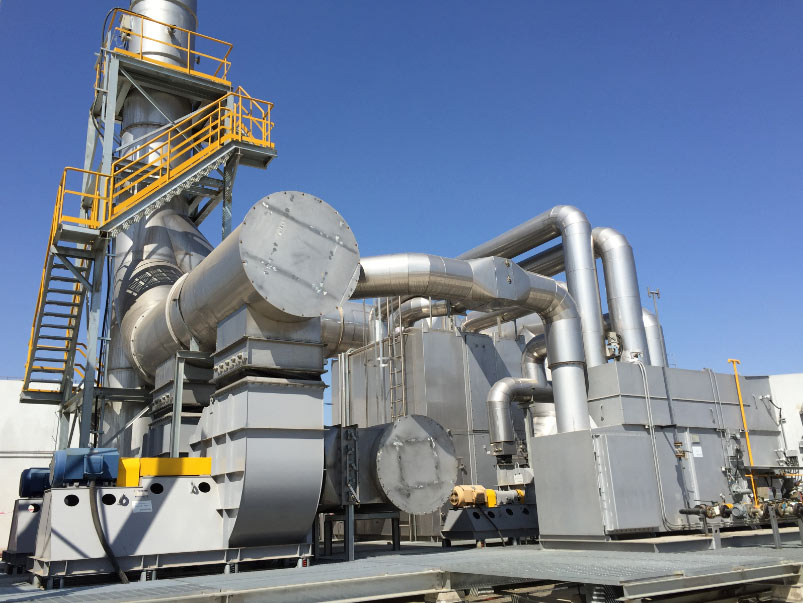

Activated carbon (also written activated charcoal) is a highly porous adsorbent used to remove contaminants from air, water and process streams. Its large internal surface area traps organic compounds, odors, chlorine and other impurities by adsorption, making it a core technology for water filtration, air purification, VOC and odor control, and recovery applications.
What is activated carbon and how does it work?
Activated carbon is produced by carbonizing organic raw materials such as coal, coconut shell or wood, then activating them to create a vast network of pores. Contaminants are removed by adsorption: molecules are held on the carbon surface and within its pore structure. The adsorption capacity depends on surface area, pore size distribution and the target contaminant.
Types of activated carbon
| Type | Best suited for |
|---|---|
| Granular activated carbon (GAC) | Air and water filtration, gas-phase purification, solvent recovery |
| Powdered activated carbon (PAC) | Liquid-phase treatment, dosing into water and wastewater |
| Honeycomb activated carbon | VOC adsorption in concentrator and odor control systems |
| Coconut shell activated carbon | Potable water, food and beverage, gold recovery |
Activated carbon applications
- Water filtration – removing chlorine, taste, odor, VOCs and organics from drinking water;
- Air purification – odor and VOC control in industrial exhaust and indoor air;
- Gold recovery – adsorption of gold from cyanide leach solutions in mining;
- Food and beverage – purification of sugars, edible oils and beverages;
- Solvent and vapor recovery – adsorption in concentration and recovery systems;
- Wastewater treatment – polishing and removal of recalcitrant organics.
How to choose activated carbon
Key selection parameters are iodine number (adsorption capacity), particle size, hardness, moisture content and the application phase (gas or liquid). For water filtration, coconut shell or coal-based GAC is typical; for odor and VOC control, impregnated or honeycomb carbons are often used.
Regeneration and replacement
Spent carbon can be regenerated by thermal reactivation in some applications, restoring much of its capacity. For others, replacement with fresh media is the practical option. The decision depends on the contaminant, application and operating cost.
Safety and handling
Activated carbon is safe for approved uses, but dust should be controlled and material safety data (SDS/MSDS) should be followed for storage and handling. Impregnated grades may have additional hazard classifications.
Frequently asked questions
What is activated carbon?
Activated carbon is a porous adsorbent produced from coal, coconut shell or wood, used to remove contaminants from air, water and process streams by adsorption.
How does activated carbon work?
Contaminant molecules are trapped on the carbon’s large internal surface and within its pore structure by adsorption, removing them from the passing gas or liquid.
What is the difference between granular and powdered activated carbon?
Granular activated carbon (GAC) is used in fixed-bed filters and columns; powdered activated carbon (PAC) is dosed directly into liquids. Particle size and contact method differ.
What is activated carbon water filtration?
Activated carbon water filters remove chlorine, taste, odor, VOCs and organic impurities from drinking water and process water by adsorption.
What is activated carbon for air purification?
Activated carbon air purification adsorbs odors, VOCs and gaseous contaminants from industrial exhaust and indoor air streams.
What is activated carbon used for in gold recovery?
Activated carbon adsorbs gold from cyanide leach solutions in mining, allowing gold to be recovered from the carbon in the elution process. See our activated carbon for gold recovery page.
Is activated carbon safe for food and beverage?
Food-grade activated carbons are available for purification of sugars, oils and beverages, meeting the applicable food-contact requirements.
What is the adsorption capacity of activated carbon?
Adsorption capacity is commonly measured by the iodine number; higher values indicate larger surface area and capacity, with the effective capacity depending on the target contaminant.
How long does activated carbon last?
Service life depends on contaminant loading, flow rate and application; filters are replaced or regenerated when breakthrough is detected or capacity is exhausted.
Can activated carbon be regenerated?
Yes. Thermal regeneration (reactivation) can restore much of the capacity in suitable applications, while some spent carbons are disposed of and replaced.
What is an activated carbon tower or column?
An activated carbon tower (or column) is a fixed-bed vessel where gas or liquid passes through the carbon media for continuous adsorption treatment.
What is activated carbon media?
Activated carbon media refers to the adsorbent material itself – granular, powdered, honeycomb or extruded – used in filters, columns and systems.
What is the SDS/MSDS for activated carbon?
Activated carbon has a material safety data sheet covering handling, dust control and storage; request the SDS for the specific grade you purchase.
What is honeycomb activated carbon?
Honeycomb activated carbon is a structured block with parallel channels, used for VOC adsorption in concentrator rotors and odor control systems. See our honeycomb activated carbon page.
What is coconut shell activated carbon?
Coconut shell based activated carbon is a hard, microporous carbon preferred for potable water, food and beverage, and gold recovery applications.
How much does activated carbon cost?
Price depends on grade, particle size, quantity and application; food and specialty grades cost more than standard industrial media.
What is the difference between activated carbon and charcoal?
Charcoal is the carbonized product of organic material; activated carbon is charcoal that has been further processed to create high porosity and adsorption capacity.
Do you supply activated carbon?
Yes. PollutionCtrl supplies coal-based, coconut-shell and honeycomb activated carbon for air, water and recovery applications, with technical selection support.
What is a carbon filter?
A carbon filter (including small carbon filters for point-of-use systems) is a filtration device using activated carbon media to remove contaminants such as chlorine, taste, odor, VOCs and organics from water or air. It is also called an activated carbon filter, coal filter, charcoal filter or GAC filter.
What is an activated carbon water purifier?
An activated carbon water purifier uses carbon media to remove impurities from drinking water, improving taste and odor while reducing chlorine, VOCs and organic contaminants.
What is activated carbon in water treatment?
Activated carbon in water treatment adsorbs organic contaminants, chlorine and taste and odor compounds from water streams, used in municipal, industrial and point-of-use applications.
What is activated carbon filtration?
Activated carbon filtration passes water or air through carbon media, which adsorbs contaminants onto the carbon surface. It includes carbon water filtration, GAC water filters and granular activated carbon filters.
What is a granular activated carbon (GAC) filter?
A granular activated carbon filter uses GAC media in a fixed bed to remove organics, chlorine and taste and odor compounds from water, commonly used in drinking water and process water treatment.
What is activated carbon for water purification?
Activated carbon for water purification removes chlorine, organics and taste and odor compounds from water by adsorption, used in municipal, industrial and point-of-use purification systems.
What is water treatment with activated carbon?
Water treatment with activated carbon uses GAC or granular activated carbon filters to remove contaminants, including activated carbon filters for water treatment and in treatment plants.
Where can I buy activated carbon?
Activated carbon is available from manufacturers and suppliers worldwide; PollutionCtrl supplies coal-based, coconut-shell and honeycomb activated carbon with technical selection support.
Request a project evaluation
Send your application details – air or water flow, contaminants, concentration and target level – for an activated carbon selection and sizing recommendation.
What are activated carbon manufacturers and suppliers?
Activated carbon manufacturers produce carbon media from coal, coconut shell, wood and other raw materials; suppliers distribute granular, powdered, honeycomb and pellet grades for water, air and recovery applications.
What is activated carbon for water treatment?
Activated carbon for water treatment adsorbs organics, chlorine and taste and odor compounds, used in municipal plants, GAC filters and granular activated carbon water treatment systems.
What is activated carbon purification?
Activated carbon purification uses carbon adsorption to remove contaminants from water, air and process streams, including purification of liquids, gases and food and beverage products.
What is liquid activated carbon?
Liquid activated carbon is a suspended carbon slurry dosed directly into water or wastewater for adsorption treatment, similar to powdered activated carbon dosing.
Activated Carbon Grades and Related Pages
- Honeycomb activated carbon
- Powdered activated carbon (PAC)
- Granular activated carbon for sewage treatment
- Coal-based granular carbon for air purification
- Coconut shell activated carbon
- Activated carbon for water purification
- Activated carbon for gold recovery
- Iron oxide impregnated carbon
- Zinc oxide impregnated carbon
- Magnesium oxide impregnated carbon
- Adsorption combined with catalytic combustion
- Plasma compared with activated carbon for odor