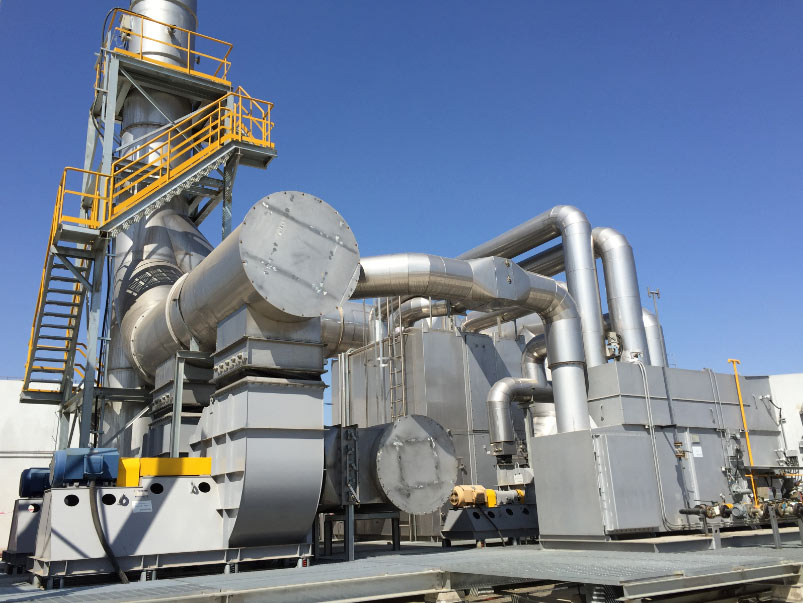

Coconut shell activated carbon – also written coconut shell based activated carbon – is a granular or powdered carbon made from coconut shell. It is specified where a hard, low-ash, microporous material is needed: gold recovery, water purification, food and beverage decolourisation, pharmaceutical purification and industrial wastewater polishing. This hub covers the selection logic across the range.
What Coconut Shell Activated Carbon Is
Coconut shell activated carbon is made by carbonising coconut shell to a char and activating that char to open a network of internal pores. The result is predominantly microporous, mechanically hard and low in ash compared with coal based carbon. That is why it is used for small adsorbate molecules – taste and odour compounds, colour bodies, dissolved gases and cyanide complexes – and for duties where carbon is handled repeatedly and abrasion loss becomes consumption. The feedstock is a by-product of coconut processing rather than a mined material.
How It Is Made: Carbonisation and Activation
- Carbonisation – shell is heated with air excluded, driving off volatiles to leave a carbon-rich char.
- Activation – the char is activated physically, for example with steam at elevated temperature, or chemically with an agent followed by washing; steam activation is the common route.
- Sizing, washing and drying – screening to the required mesh, washing to lower ash and soluble residues, drying to the moisture limit and packing.
Mesh, activity and hardness are adjusted within limits by feedstock, activation route and screening, which is why one raw material serves both gold recovery and water treatment. Specification is a band, not a single number: compare grades on the lot certificate of analysis.
How Coconut Shell Compares With Other Raw Materials
The feedstock decides pore structure, mechanical behaviour and cost position.
| Feedstock | Hardness / abrasion | Pore structure | Ash | Duties it suits | Cost structure |
|---|---|---|---|---|---|
| Coconut shell | High – hardest of the common feedstocks | Predominantly microporous | Low; acid-washed grades | Gold recovery, drinking water, food and beverage, pharmaceutical | Higher feedstock cost, narrower supply base |
| Coal (bituminous, lignite) | Moderate to lower; more attrition when agitated | Mixed micro and mesopores | Higher; varies by seam | Water, air and gas purification, solvent recovery | Abundant low-cost feedstock; lowest cost at scale |
| Wood | Low; soft and friable | Mesoporous and macroporous | Low to moderate | Liquid decolourisation, some food duties | Cheap feedstock; powder grades dominate |
| Other nutshells and fruit stones | Moderate; below coconut shell | Micro and mesoporous, species dependent | Low to moderate | Water treatment, decolourisation, general adsorption | Regional and seasonal pricing |
Two rules follow. Where abrasion loss or repeated regeneration dominates operating cost, hardness decides. Where the target molecule is large – colour bodies, humic substances – wider-pore coal or wood based carbon does the job at lower unit cost, and for high-volume liquid-phase dosing powdered activated carbon (PAC) is often the practical answer; the wider family sits under coal based activated carbon. For chemical rather than physical capture, the impregnant matters more than the feedstock: iron oxide carbon for hydrogen sulphide, plus zinc oxide carbon and magnesium oxide carbon.
Grades by Application
Gold recovery (CIL, CIP and CIC circuits)
Hardness is the specification that pays: carbon is pumped, agitated and screened at every stage, so abrasion resistance is carbon not lost to tailings. A microporous structure matches the gold-cyanide complex and low ash keeps inert material out of elution. See activated carbon for gold.
Water purification
Taste and odour compounds, residual disinfectant, trace organics and colour, in granular fixed beds sized to hold contact time without excess pressure drop. See activated carbon for water purification.
Food and beverage
Decolourisation, deodorisation and off-flavour removal from sugar liquors, edible oils, beverages and process water, selected on low extractables, controlled ash and consistent particle size. See food and beverage grade.
Pharmaceutical and fine chemical
Purification and impurity removal where the specification is written around ash, extractables and lot-to-lot consistency rather than headline capacity. See pharmaceutical grade coconut shell activated carbon.
Industrial wastewater
Polishing after biological treatment and removal of residual COD, colour, phenols and specific organics ahead of discharge or reuse. Usually a tertiary stage, so media and industrial wastewater treatment equipment are designed together. See industrial wastewater grade.
Key Specifications and How Customers Choose
What each parameter controls in service:
| Parameter | Typical range / category | What it controls | How to choose |
|---|---|---|---|
| Iodine number | Roughly 900 to over 1000 mg/g | Micropore surface, small-molecule capacity | Higher suits trace-organics duty; past a point it adds cost, not performance |
| CTC activity | Percentage, by grade band | Vapour-phase capacity and solvent retention | Specify for solvent recovery and air purification, not iodine alone |
| Particle size / mesh | Granular 4×8, 6×12, 8×30, 12×40 | Kinetics against pressure drop and bed retention | Vapour phase 4×8 or 6×12; liquid phase 8×30, matched to your vessel internals |
| Hardness / abrasion | High, quoted as a percentage | Attrition loss in pumped, agitated service | Decisive for gold circuits; ask for the lot value |
| Ash content | Low, with acid-washed bands | Inert dilution and contamination | Tighten for gold, food, beverage and pharmaceutical duty |
| Moisture content | Maximum, by grade | Mass balance and dosing weight | Compare prices on a dry basis |
Values vary by grade and application; the governing number is the lot certificate of analysis, issued per shipment. To recommend a grade we need the phase and target parameter, concentration range, flow rate, temperature, pH, contact time, vessel dimensions, allowable pressure drop and outlet target.
Packaging, Storage and Transport
Standard supply is 25 kg bags and bulk bags, with customised packaging on request. Carbon keeps adsorbing after packing, so storage is part of the specification: keep it dry, ventilated and off the floor, reseal opened bags, never store it beside solvents, fuels or paints because it loads those vapours first. Packaging and transport documents are agreed at order stage.
How a Purchase Runs: Sample, Trial, Bulk Order
- Data review – send feed data, vessel details and acceptance criteria; we recommend a grade band and mesh.
- Sample – a sample quantity is released against a quotation, so material and certificate of analysis can be reviewed before commitment.
- Trials – bench or pilot testing on your own stream with your current carbon as control; compare rate, capacity and pressure drop.
- Specification freeze – iodine or CTC band, mesh, hardness, ash, moisture, packaging and certificate format fixed on the order.
- Bulk supply – repeat shipments against the frozen specification, with lot certificates.
Lead time depends on grade, mesh, activity band, packaging and destination; non-standard meshes and custom packaging extend it. Customisation is routinely available on mesh, activity band, acid washing, low-ash treatment, packaging and marking. Plan the changeout before the first shipment, not after a breakthrough.
Frequently Asked Questions
What is the difference between coconut shell and coal based activated carbon?
Coconut shell carbon is harder and predominantly microporous; coal based carbon is softer with a wider pore range. Choose coconut shell where abrasion loss or repeated regeneration dominates operating cost, or the molecule is small. Choose coal based for larger molecules, high-volume liquid-phase duty or lower unit cost.
Which mesh size should I specify?
It follows the phase and the vessel. Vapour-phase beds usually take coarser meshes such as 4×8 or 6×12 for low pressure drop; liquid-phase beds take finer meshes such as 8×30 for kinetics within the available contact time, and the mesh must be retained by your screens.
How do I compare coconut shell activated carbon suppliers?
On the same basis: ask for a lot-specific certificate of analysis covering iodine or CTC, mesh, hardness, ash, moisture and bulk density, ask whether values are typical or guaranteed, and test candidates in parallel on your own feed with the present carbon as control.
Can spent coconut shell carbon be regenerated?
Granular coconut shell carbon is often regenerated because its hardness survives the thermal cycle better than softer carbons, though each cycle costs some activity and hardness. Whether it pays depends on the contaminant: organics regenerate well, heavy metal loading and scaling usually do not. Trigger replacement on breakthrough testing or measured activity loss, not a fixed interval.
Is coconut shell carbon suitable for drinking water and food contact use?
Yes, it is widely used for drinking water and food and beverage duty, but suitability belongs to the grade and its documentation rather than the feedstock, so state the ash, extractables and testing requirements for your product before ordering.
Talk to an Engineer
Send the duty – phase, target compound, concentration range, flow rate, vessel details and outlet target – and we will return a grade band, mesh recommendation and indicative pricing. For anything needing a person rather than a form, talk to an engineer.