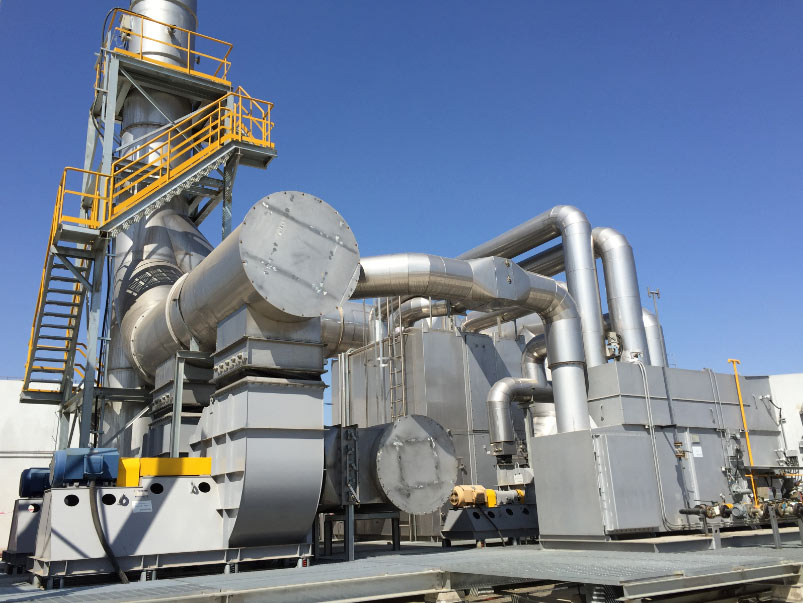

Sludge dewatering odor control is usually most effective when the strongest sources are captured locally. Belt presses, screw presses, centrifuges, polymer-mixing points, conveyors, cake hoppers and sludge storage tanks can each release a different gas load. Opening the whole room to ventilation may dilute the odor, but it also creates a large airflow that is expensive to treat. A better starting point is to identify the concentrated emission points, enclose them where practical and send the extracted gas to a treatment system designed for high humidity and variable loading.
What changes during dewatering
Sludge odor is influenced by solids concentration, temperature, residence time, mixing and the type of dewatering equipment. Mechanical shear and cake discharge can release H2S, ammonia, amines and other reduced compounds that were previously dissolved or trapped in the sludge. The peak may occur when a cover is opened, a conveyor transfers cake or a silo is filled. Sampling should therefore include start-up, steady operation, cake discharge and cleaning conditions.
Separate local extraction from room ventilation
Enclose the press or centrifuge as much as the maintenance layout allows. Capture transfer points, hoppers and silo vents separately from general room air when their loads are substantially different. The design should maintain negative pressure at doors and inspection openings without making access unsafe. Duct routes need corrosion-resistant materials, cleanouts and condensate drainage because sludge gas is warm, wet and often chemically aggressive.
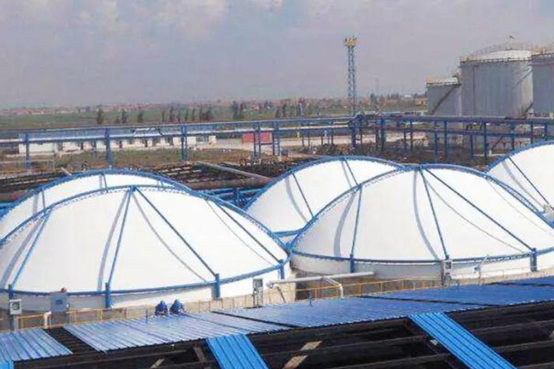
For covered sludge storage, include filling rate, tank headspace, mixing pattern, residence time and vent pressure in the calculation. A silo or tank that is quiet most of the day may still produce a large short-term release during filling or agitation.
Priority oxidation routes for wastewater odor
PollutionCtrl’s low-temperature plasma equipment can be evaluated for concentrated sludge-room or dewatering exhaust when the gas composition, airflow and moisture level are suitable. The microwave ultraviolet oxidation equipment route can also be compared for mixed odor and organic compounds. These two pages are the main solution references for this wastewater odor-control topic.
They should be compared with scrubbing, adsorption, biological treatment or a combined pretreatment when the stream contains very high humidity, aerosols, dust or a high H2S peak. A mist eliminator, drain section or upstream conditioning step may be necessary before an oxidation module. The final choice should consider removal target, pressure drop, service access, electrical load, consumables and the consequences of a treatment-unit trip.
Operating and maintenance checklist
- Inspect press, centrifuge and hopper covers for gaps and damaged seals.
- Verify capture airflow at each hood instead of checking only the main fan.
- Drain duct condensate and clean deposits before they reduce the effective area.
- Check H2S and ammonia sensors near the source and review alarm trends.
- Inspect plasma or UV modules, scrubber circulation, mist eliminators and filters during planned shutdowns.
- Record cake throughput, sludge temperature, polymer dose and odor complaints so process changes can be correlated with emissions.
Data required for equipment selection
For a useful proposal, provide equipment type and model, sludge throughput, solids concentration, covered volume, local extraction airflow, room ventilation rate, H2S and ammonia range, temperature, relative humidity, operating schedule, available power, duct layout and discharge location. Photos of the press enclosure, conveyor, tank vents and maintenance access are valuable because the capture arrangement often determines the treatment cost.
See also sludge odor control system, wastewater odor control system and industrial wastewater treatment equipment.
Odor control for a sludge centrifuge
For a sludge centrifuge, survey the feed area, centrate discharge, cake discharge and downstream transfer points. The main odor release may occur at an open chute or conveyor rather than at the centrifuge casing. Design capture around the observed release locations while preserving machine access and isolation.
Provide the machine layout, throughput cycle, washdown routine and existing ventilation. Define whether duct branches serve individual points or the whole room. Check drainage where extracted air carries moisture from washing or open liquid surfaces.
Questions before ordering
Should the whole room be connected to the same extraction duty?
Local capture and room ventilation should each be specified. The final arrangement depends on access, occupied-space requirements and the measured release pattern.