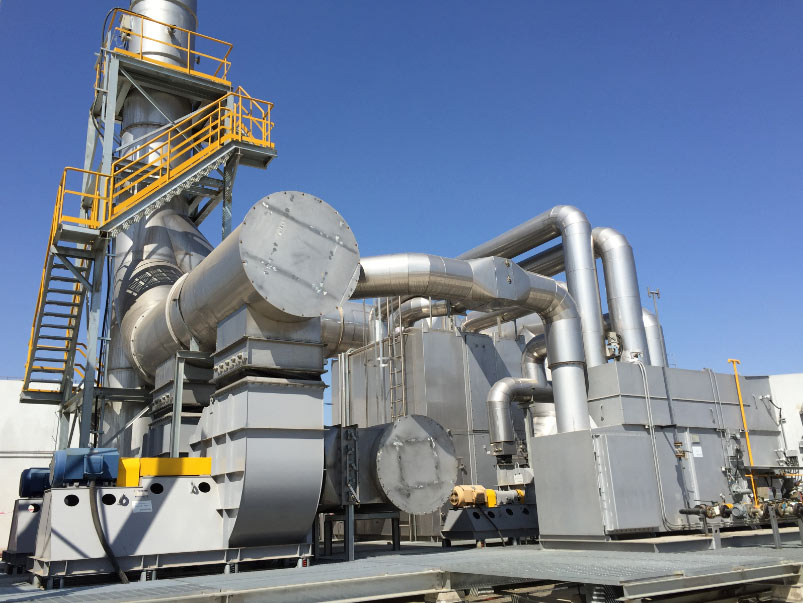

Hydrogen sulfide removal from wastewater is a gas-treatment problem as well as a biological and hydraulic problem. H2S may form in a force main, wet well, headworks, sludge tank or dewatering room when organic loading, retention time and low oxygen create reducing conditions. It is toxic at elevated concentration, corrosive in the presence of moisture and responsible for the characteristic rotten-egg odor at low concentrations. A credible design therefore starts with safe measurement and source capture, then selects a treatment process for the complete gas mixture.
Measure the load, not only the odor
The key data are H2S concentration range, peak concentration, airflow, temperature, relative humidity, oxygen, ammonia and any VOC or reduced-sulfur compounds. Sampling location is important: a reading at the room door may be much lower than the concentration inside a wet-well headspace or directly above a sludge process. Record operating conditions with each measurement, including pump cycle, tank level, mixing and weather.
H2S can also be generated upstream and absorbed into wastewater before being released downstream. In that situation, odor control at only one vent may move the problem rather than solve it. A site survey should map the collection path, enclosed sources, worker exposure points and final discharge.
Compare H2S treatment methods
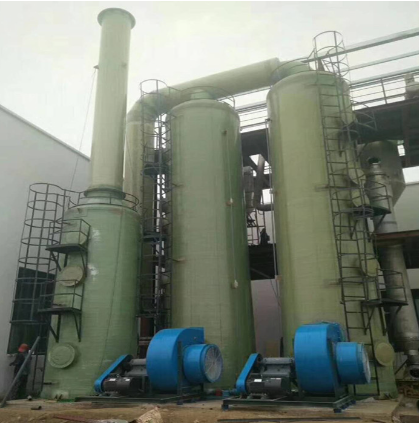
Activated carbon can be practical for smaller, relatively stable streams, but moisture and sulfur loading affect media life. Chemical scrubbers can handle wet gas and higher loads, but they require chemical storage, dosing control, corrosion-resistant equipment and wastewater or blowdown management. Biological systems may reduce operating chemical use but need stable conditions and biological maintenance.
For oxidation-based treatment, the low-temperature plasma equipment page is a useful starting point for evaluating compact oxidation of wastewater odor and mixed gaseous contaminants. The microwave ultraviolet oxidation equipment page should also be reviewed where microwave-UV oxidation may fit the gas composition, airflow and site conditions. These are priority technologies for PollutionCtrl’s wastewater odor-control review, but final selection must follow measured H2S peaks, humidity, safety requirements and the required outlet standard.
Capture, corrosion and safety
Use sealed covers and local enclosures wherever practicable. Keep extraction ductwork under negative pressure and use materials compatible with wet H2S service. Low points need drains; fans, instruments and electrical components should be positioned so condensate cannot enter them. H2S monitoring, ventilation, access control and confined-space procedures must be designed by the responsible site safety team. Odor treatment equipment is not a substitute for a gas-free entry procedure or an emergency response plan.
How to judge whether the system is working
- Confirm the design airflow at the source and at the treatment inlet.
- Compare inlet and outlet H2S under normal and peak operating conditions.
- Check pressure drop, fan status, condensate level and treatment-module alarms.
- Track chemical use, carbon replacement, UV or plasma cleaning and odor complaints.
- Re-test after changes to wastewater flow, cover condition, pumping schedule or upstream industrial discharge.
Information for an H2S removal proposal
Send the source description, gas sampling records, airflow or enclosure dimensions, operating hours, temperature and humidity, available utilities, corrosion constraints, discharge point and target outlet condition. Include photos of covers, ducts, fans and nearby equipment. PollutionCtrl can then compare scrubber, adsorption, low-temperature plasma, microwave-UV or combined options on a common basis.
Related pages: H2S odor control system, wastewater odor control system and sludge odor control.
Separate dissolved sulfide control from gas treatment
Hydrogen sulfide removal from wastewater can mean managing sulfide in the liquid or treating H₂S released into the headspace. This article addresses the captured-gas part of the project. If upstream liquid-phase control is also proposed, define it as a separate process with its own monitoring and operating requirements.
For gas equipment, send the concentration range and units, extraction flow, moisture, temperature and the relevant co-contaminants. Agree outlet measurements for the specified operating envelope. A result obtained at one concentration does not establish performance at every peak load.
Questions before ordering
Is odor disappearance a reliable H₂S safety check?
No. Use the site’s approved monitoring and safety procedures. Odor-control equipment and smell observations do not replace personnel protection or confined-space controls.