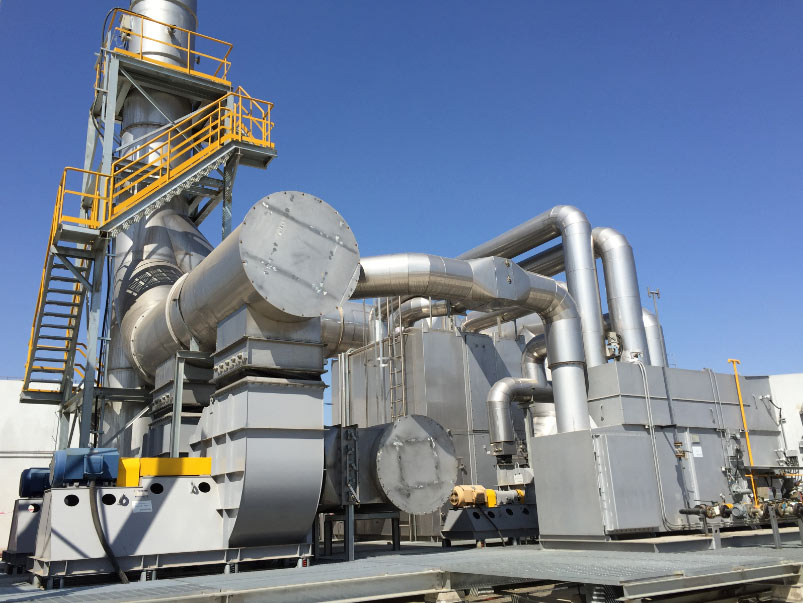

Wet well odor control depends on what happens in the headspace between pump cycles. When sewage enters a collection wet well, organic matter can be converted under low-oxygen conditions. Hydrogen sulfide then accumulates in the gas space and is released through hatches, vents and access openings. The odor may be intermittent, but the corrosion and worker-safety concerns are continuous. The practical objective is to keep the headspace under controlled extraction and send the gas to a treatment unit sized for the peak condition.
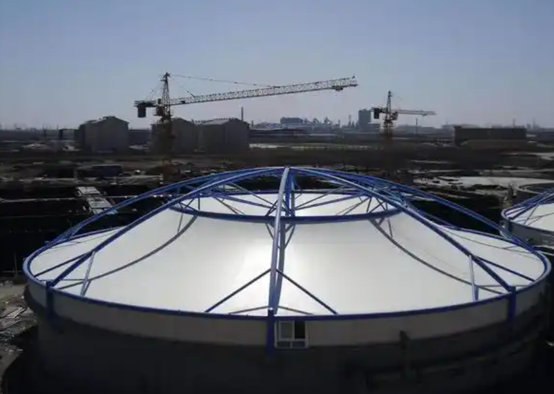
Why wet-well emissions are difficult to predict
Wet-well H2S does not remain constant. Retention time, inflow, temperature, pH and turbulence all change the release rate. A pump starting can strip gas from the liquid and create a short peak at the vent. A site near a food plant, chemical process or long force main may also contain ammonia, mercaptans or VOCs that change the treatment requirement. Measurements should cover low-flow, normal pumping and restart conditions whenever possible.
Capture before treatment
A treatment vessel cannot compensate for a leaking cover. The cover or enclosure should be checked for gaps around hatches, cable entries, level instruments and pipe penetrations. Extraction should be arranged to sweep the headspace without creating dead zones. The design review should include fan static pressure, duct friction, corrosion allowance, condensate management, noise, access and the location of the treated-air discharge.
For a wet well connected to a station room, it is often better to separate concentrated headspace extraction from general building ventilation. This keeps the odor load and airflow lower, improves treatment contact time and makes the operating condition easier to monitor. The fan and controls should also respond safely to pump operation, high H2S alarm and treatment-unit fault conditions.
Priority treatment options for wastewater odor
PollutionCtrl can evaluate the low-temperature plasma equipment route for wet-well gas when the application needs compact oxidation and the gas data support it. The microwave ultraviolet oxidation equipment route can also be considered when the odor stream includes mixed organic compounds and the site can provide the required installation conditions.
Selection should be based on measured airflow, peak H2S, humidity, temperature, operating hours and the required outlet condition. Scrubbing, adsorption or a combined pretreatment may be more suitable for some high-moisture or high-load streams. The correct comparison is total installed and operating cost, maintenance access, condensate handling and expected performance—not only the purchase price of the reactor.
Controls and maintenance
- Use a pressure or airflow indication to confirm that the wet well remains under extraction.
- Trend H2S at the headspace and, where required, at the station working area.
- Inspect duct low points and drain condensate before it damages the fan or treatment chamber.
- Check UV lamps, plasma modules, electrical interlocks and alarms during planned maintenance.
- Review odor complaints against pump-cycle and weather data; this often reveals a peak that average readings hide.
Data for preliminary sizing
A useful RFQ package includes wet-well plan and section drawings, liquid level range, headspace volume, pump start frequency, normal and peak airflow, H2S and ammonia data, temperature, relative humidity, power supply, duct distance, discharge height and the desired operating mode. A short video showing pump operation or venting can also help identify whether the dominant release occurs at the wet well, valve chamber or station building.
See also lift station odor control, hydrogen sulfide removal from wastewater and wastewater odor control system.
Wet-well retrofit survey checklist
For retrofit work, list every cover penetration and document the existing fan, duct route and drains. Record actual airflow if it has been measured, together with the measurement position. The fan nameplate is not proof of the airflow being extracted from the wet well.
State what changed before the odor problem appeared: pump programming, upstream discharge, cover condition, wastewater level or maintenance. This provides a practical basis for deciding whether to repair capture, adjust the operating arrangement or change the treatment duty.
Questions before ordering
Can a vent filter replace active extraction?
The appropriate arrangement depends on the required airflow, pressure behavior and containment duty. Review the actual wet-well operation before selecting passive or powered equipment.