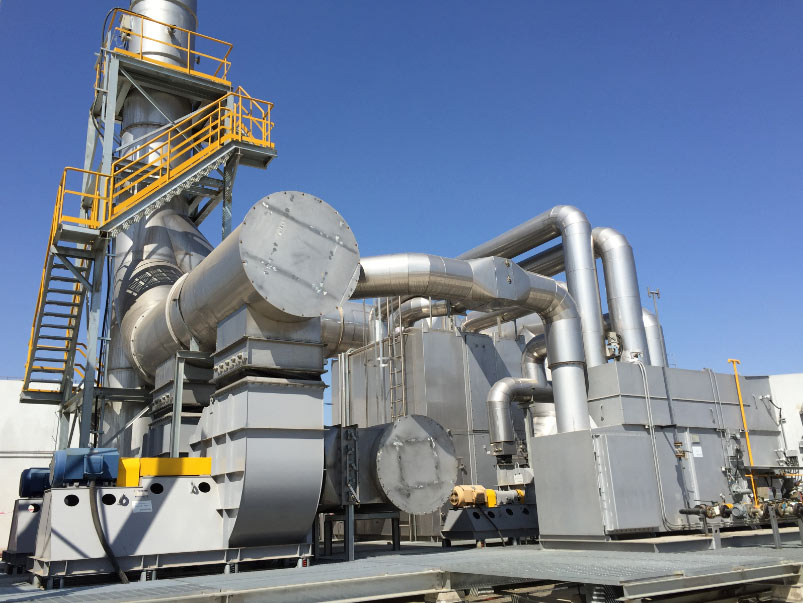

Ceramic regenerative media is central to an RTO heat-recovery system. Media geometry, material, loading arrangement, dust exposure and gas velocity affect heat transfer, pressure drop, cleaning requirements and long-term operating stability.
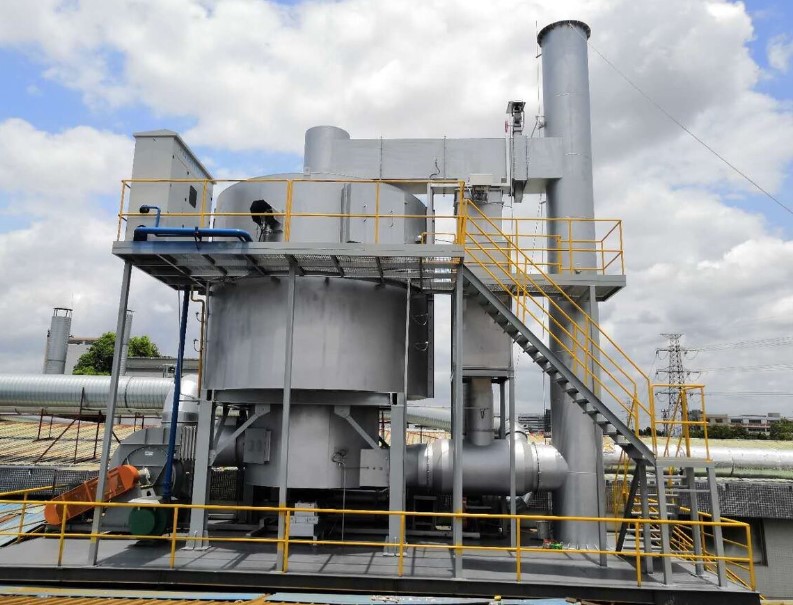
What does RTO ceramic media do?
The media stores heat from the cleaned exhaust and releases it to incoming process air during the next cycle. This repeating exchange reduces the external energy needed to reach the oxidation temperature.
Factors affecting media selection
- Required heat-recovery performance and operating temperature.
- Airflow and allowable pressure drop.
- Dust, paint mist, oil aerosol and condensable loading.
- Corrosive compounds and thermal cycling.
- Cleaning access, replacement method and expected operating hours.
Why pressure drop matters
As media becomes fouled or airflow increases, pressure drop can rise. Higher pressure drop may increase fan energy use, reduce available process capacity and create unstable operating conditions. The design should include clean and fouled pressure-drop assumptions, inspection access and a maintenance response.
How to protect ceramic media
Source capture, filtration, separators, cooling or condensate management may be needed before the RTO when the process contains material that can block or coat the media. The correct protection depends on the exhaust chemistry and the expected contaminant load.
Information for a media and RTO review
Share airflow, gas temperature, particulate or aerosol data, VOC composition, pressure-drop history, media type, installation age, cleaning records and the required operating schedule.
Review the RTO sizing guide, learn how RTO heat recovery works, or request an RTO media review.
RTO Ceramic Media Selection
RTO ceramic media should be selected from operating temperature, heat-recovery duty, pressure drop, dust loading, thermal cycling and chemical compatibility. Media geometry and loading affect fan energy, heat storage and maintenance intervals.
Replacement and Maintenance
Check pressure drop, cracking, fouling, settling and bypass risk during inspection. Share the existing RTO model, media type, airflow, temperature and pressure trend when requesting replacement ceramic media.
See the RTO system manufacturer page for complete equipment selection.