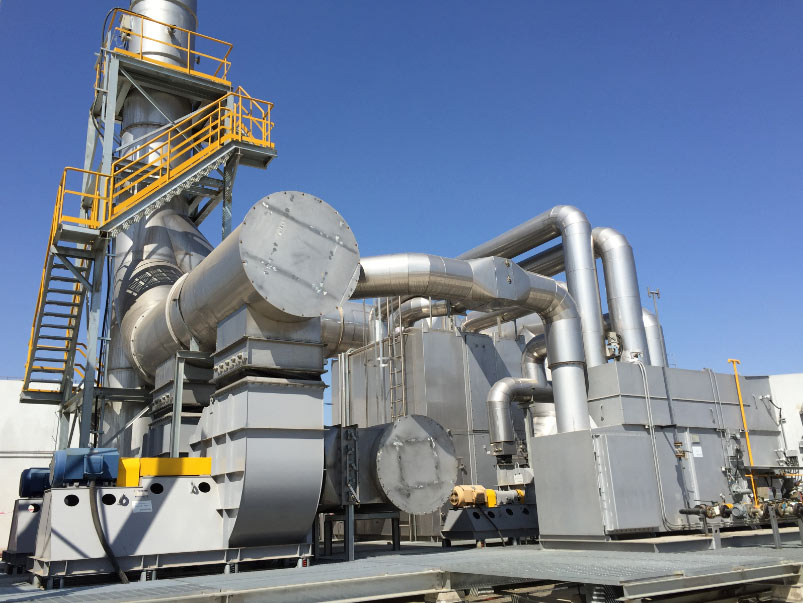

Pharmaceutical production can generate VOCs from solvent handling, reactor vents, drying, coating and cleaning operations. A regenerative thermal oxidizer (RTO) may be suitable when several exhaust sources are combined and the airflow is medium to high.
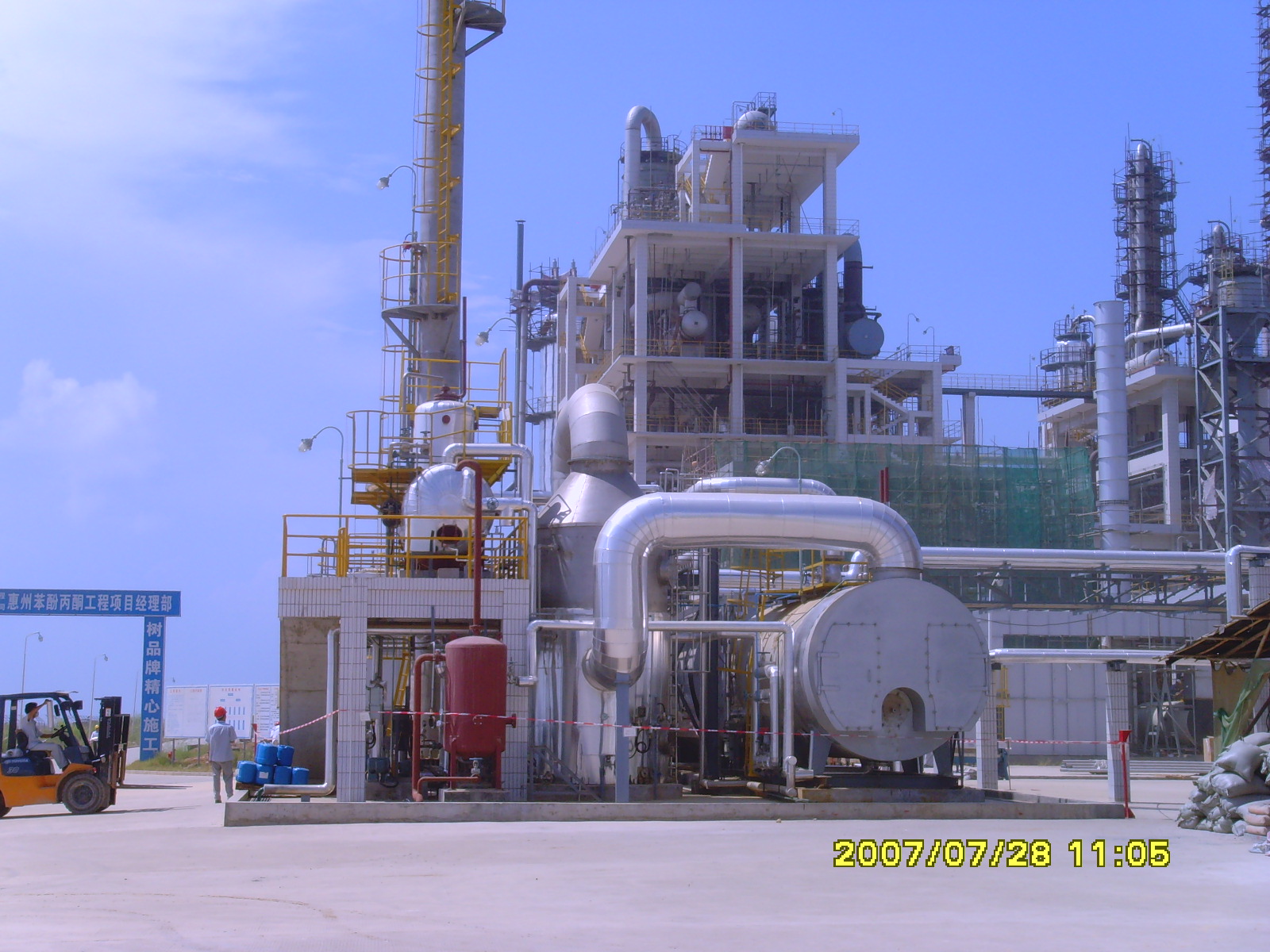
Why pharmaceutical exhaust requires process review
Pharmaceutical exhaust can vary significantly between batches, production areas and cleaning cycles. The design review should identify VOC species, concentration peaks, humidity, temperature, particulate, corrosive compounds and any condensable material before selecting an oxidation system.
Important RTO design checks
- Separate continuous, intermittent and emergency exhaust streams.
- Confirm solvent composition and average and peak VOC concentration.
- Evaluate dust, powder, droplets, oil mist and condensables that could foul ceramic media.
- Check LEL margin, dilution air, isolation, purge and emergency shutdown requirements.
- Review the required outlet limits and monitoring points.
When pretreatment may be required
Filters, separators, cooling, condensate removal or other pretreatment may be needed when the exhaust contains particulate, aerosol, acid gas or material that can damage valves, burners or ceramic media. Pretreatment should be designed around the actual process stream rather than added as a generic package.
Data needed for preliminary sizing
Provide airflow range, VOC test data, inlet temperature and humidity, operating hours, production schedule, process flow diagram, site location, emission limits and available utilities. These inputs help determine whether a two-bed, three-bed or rotary RTO should be evaluated.
Review RTO system configurations or request a preliminary pharmaceutical VOC review.
RTO for pharmaceutical solvent exhaust
Pharmaceutical VOC streams can change between batches and production areas. A practical design review should identify each source, its operating schedule and the points where solvent concentration, moisture or temperature may change.
- Reactors, solvent storage, drying, coating and process-vacuum exhaust
- Batch operation, intermittent vents and simultaneous production cases
- Solvent composition, concentration, moisture and corrosive components
- Material compatibility, access, controls and safe isolation
- Heat recovery, startup fuel use, purge and emergency shutdown
Send the source list and operating schedule with the RTO sizing data. For a comparison of technologies, review the VOC treatment system page and the pharmaceutical VOC project case.
RTO for Pharmaceutical VOCs
Pharmaceutical exhaust may contain solvent vapors, variable airflow, moisture, dust and batch-operation peaks. RTO selection should review solvent composition, concentration range, production cycle, purge conditions, dust loading and safety interlocks.
Pharmaceutical VOC Treatment RFQ
Provide the solvent list, airflow range, temperature, humidity, particulate content, operating schedule and emission target. A process-specific review helps determine whether RTO, catalytic oxidation, adsorption or a combined route is appropriate.
See the RTO manufacturer page and RTO for printing VOCs for comparison.