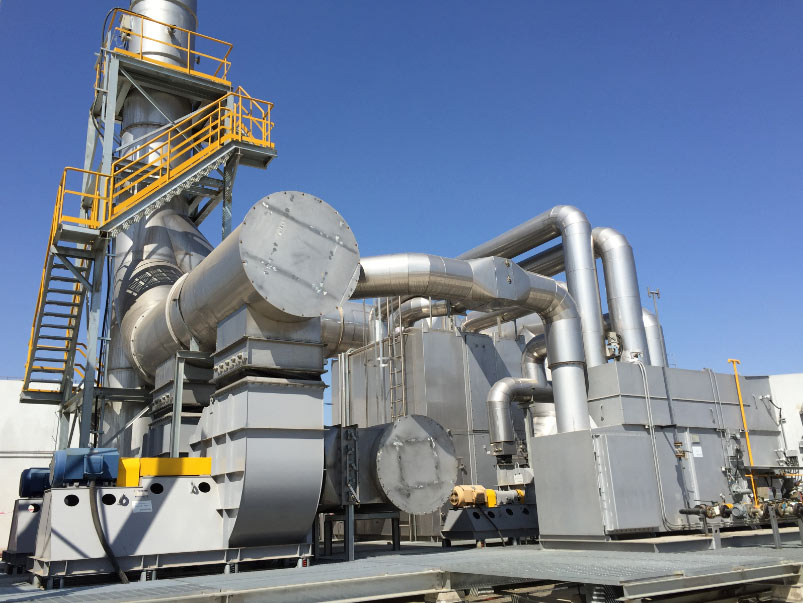

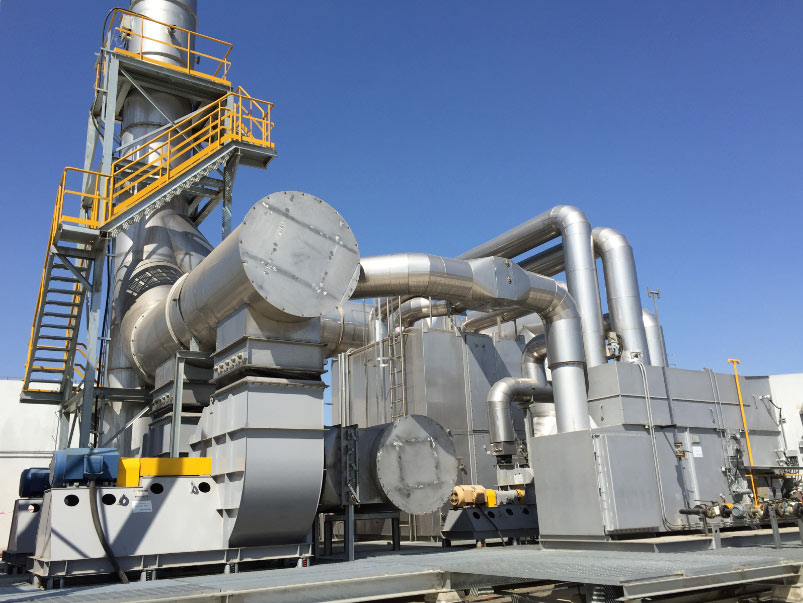
Chemical industry regenerative thermal oxidizer and rto for chemical plant are active search terms in the current Search Console data. This page explains when an RTO thermal oxidizer is suitable for chemical process VOC treatment.
VOC sources in chemical plants
Chemical plants may generate VOC exhaust from reactors, dryers, mixing tanks, solvent storage, coating lines, distillation systems and process vents. Gas composition can change with production batches, so system design should consider concentration fluctuation and safety margin.
Why RTO is used for chemical VOCs
An RTO thermal oxidizer provides high VOC destruction efficiency and heat recovery for large air volume exhaust. It is often selected when activated carbon alone is not suitable or when continuous emissions control is required.
Design considerations
- VOC composition and concentration range
- Halogen, sulfur, silicon or catalyst poisoning components
- Lower explosive limit and dilution requirements
- Dust, mist and condensable organic compounds
- Pretreatment, filtration and scrubber requirements
- Heat recovery and operating cost
- Compliance testing and continuous monitoring needs
RTO or catalytic oxidizer?
RTO is often used for large airflow and variable VOC concentration. Catalytic oxidizers may reduce oxidation temperature but require catalyst protection. The right solution depends on gas composition, concentration, safety and operating cost.
Related product pages
RTO equipment: https://pollutionctrl.com/regenerative-thermal-oxidizer/
Catalytic oxidizer: https://pollutionctrl.com/catalytic-oxidizer-3/
Thermal oxidizer: https://pollutionctrl.com/thermal-oxidizer/
Ask for chemical VOC treatment selection
Provide airflow, VOC composition, concentration, temperature, humidity and emission standard. PollutionCtrl can help compare RTO, catalytic oxidizer, thermal oxidizer and adsorption recovery solutions.