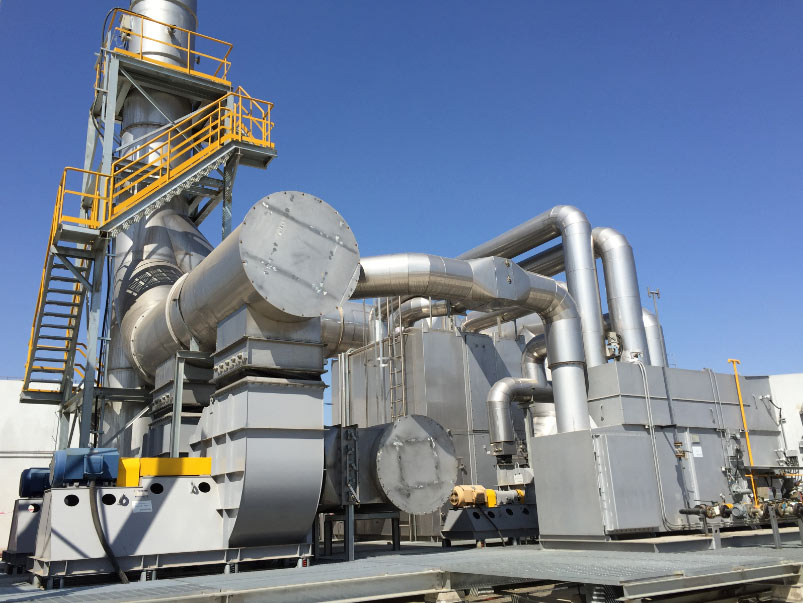

Vapour recovery at petrol stations controls the hydrocarbon vapors released when fuel is delivered and dispensed. Petrol contains volatile organic compounds (VOCs), including benzene, that contribute to local air pollution, so stations in regulated markets must capture and return these vapors rather than vent them.
This guide explains how many stages are involved in vapour recovery, what Stage 1 and Stage 2 systems do, how petrol pump vapour recovery works, and how often these systems must be tested. Note that “vapour” is the British English spelling of the same technology written “vapor” in the United States.
How many stages are involved in vapour recovery?
Vapour recovery at a petrol station is generally described in two stages, with Stage 1 subdivided in some markets:
- Stage 1 – controls emissions during the transfer of petrol from delivery tankers into station storage tanks;
- Stage 1b – the control of emissions during off-loading of road tankers into service station storage tanks, where displaced vapors are returned to the tanker through a vapour-tight connection;
- Stage 2 – controls emissions during vehicle refuelling at the pump.
Some jurisdictions also use the terms Stage I and Stage II (or Phase I and Phase II), and add enhanced vapour recovery (EVR) requirements that tighten equipment specifications and testing.
Stage 1 vapour recovery system
A Stage 1 vapour recovery system captures the petrol vapors displaced when a delivery tanker unloads fuel into an underground storage tank. Instead of venting through the tank vent, the displaced vapors are returned through a vapour-tight connection line to the delivery tanker, which removes them from the site for recovery at the oil terminal. Fuel tanker vapour recovery therefore covers both tanker loading at terminals and tanker delivery at stations.
Stage 1b vapour recovery
Stage 1b refers to the enhanced control of emissions during off-loading of road tankers into service station storage tanks. The vapour balance between the tanker and the storage tank must be vapour-tight, and in markets with enhanced requirements, equipment and testing standards are stricter. At the terminal side, industrial vapour recovery units recover the vapor returned with the tanker.
Stage 2 vapour recovery system
A Stage 2 vapour recovery system captures petrol vapors displaced from the vehicle fuel tank while a customer refuels. Nozzle-based systems (often called PVR-II in Europe) use a boot or co-axial hose around the nozzle to draw the vapors back through the dispenser to the storage tank or a vapour treatment unit. Hoses, valves and fittings in the vapour return path must stay vapour-tight to meet compliance.
Vapour recovery system in a petrol pump
What you see at the pump is the Stage 2 system: the rubber boot around the nozzle, the co-axial hose, and the vapour return line inside the dispenser. When the system works correctly, fuel vapors do not escape during refuelling – they are captured at the nozzle and returned for recovery.
Vapour recovery system testing
A vapour recovery system must be tested because regulators require proof that it captures vapor effectively. Testing typically covers vapour-tightness (pressure and leak tests), nozzle and hose condition, and performance verification. How often should a vapour recovery system be tested? In regulated markets, filling station systems are usually inspected at least annually, and certificates for Stage 1b and Stage II systems are typically valid for up to three years. Always confirm the schedule for your local regulations.
Beyond the pump: industrial vapour recovery
The same physics applies at a larger scale. At oil terminals, tank farms and loading racks, industrial vapor recovery units (VRUs) capture and recover hydrocarbon vapors from truck, railcar, tank and marine loading operations using adsorption, desorption and absorption. Related resources:
- Gasoline vapour recovery units for fuel loading and storage
- Marine vapour recovery systems for loading terminals
- Refinery and tank terminal vapour control systems
- Vapour recovery unit design guide
Frequently asked questions
How many stages are involved in vapour recovery?
Two main stages: Stage 1 controls vapors during fuel delivery into storage tanks (with Stage 1b covering enhanced off-loading controls in some markets), and Stage 2 controls vapors during vehicle refuelling.
What is a Stage 1 vapour recovery system?
A Stage 1 system returns the petrol vapors displaced from the storage tank back to the delivery tanker through a vapour-tight connection, instead of venting them to atmosphere.
What is Stage 1b vapour recovery?
Stage 1b is the control of emissions during off-loading of road tankers into service station storage tanks, with vapour returned to the tanker and stricter equipment and testing requirements in enhanced markets.
What is a Stage 2 vapour recovery system?
A Stage 2 system captures petrol vapors displaced from the vehicle fuel tank during refuelling, using a nozzle boot and vapour return line at the dispenser.
What is a vapour recovery system in a petrol pump?
It is the Stage 2 equipment at the dispenser – the nozzle boot, co-axial hose and vapour return line that capture fuel vapors during refuelling.
Does a vapour recovery system have to be tested?
Yes, where vapour recovery is required for compliance. Regulators require periodic vapour-tightness and performance testing to prove the system works.
How often should a vapour recovery system be tested?
Filling station systems are typically inspected at least annually in regulated markets; certificates for Stage 1b and Stage II systems are usually valid for up to three years. Confirm the schedule for your jurisdiction.
What is a fuel tanker vapour recovery system?
It covers vapour return during tanker loading at terminals and vapour balance during tanker delivery at stations, so petrol vapors are recovered instead of released.
What is a petrol vapour recovery system?
A petrol vapour recovery system captures petrol (gasoline) vapors at storage, loading and dispensing points – from Stage 1 and Stage 2 station systems to industrial VRUs at terminals and tank farms.
What is a benzene vapour recovery system?
It captures benzene-containing vapors from fuel and chemical handling operations. Benzene is a regulated VOC, so vapor control matters at terminals, storage facilities and loading operations.
What is the difference between vapour recovery and vapor recovery?
There is no technical difference – vapour (UK) and vapor (US) are regional spellings of the same technology.
What is a vapour recovery system on oil tankers?
Marine loading vapour recovery systems capture hydrocarbon vapors displaced during tanker loading at terminals, using industrial VRU equipment designed for vessel loading operations.