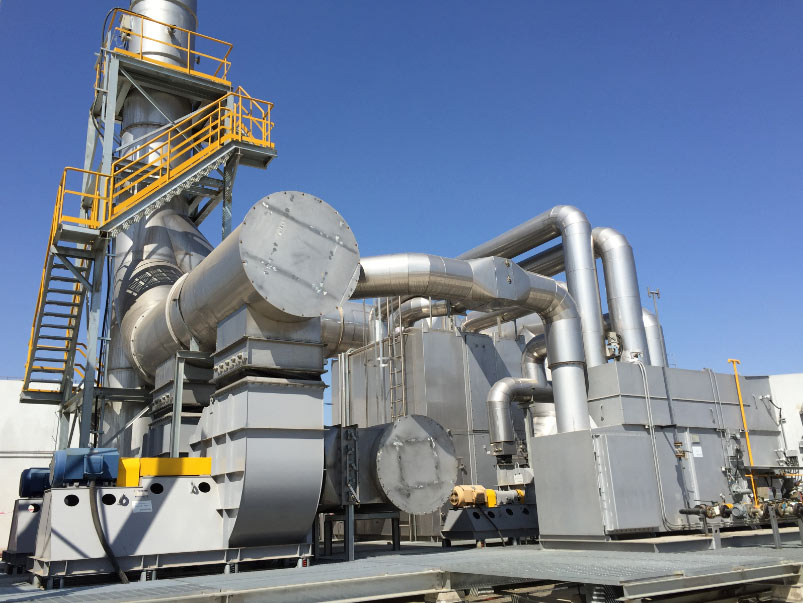

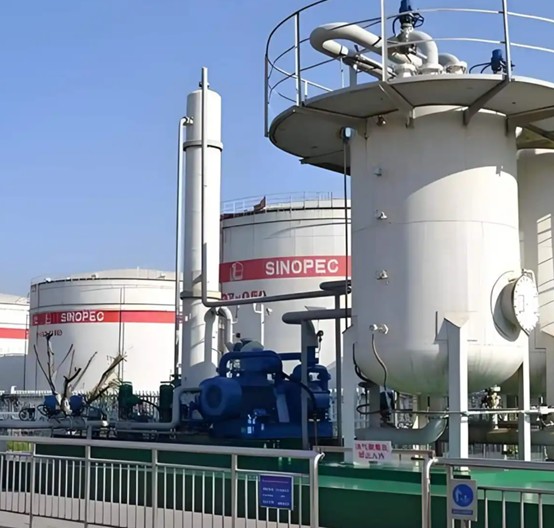
Marine Vapor Recovery System for Loading Terminals and VOC Control
Marine vapor recovery and marine vapor recovery system are already appearing in the current Search Console data. This page supports those searches by explaining how vapor recovery systems are used for marine loading terminals, ship loading, tank farms and VOC control.
Why marine vapor recovery is needed
During ship loading, hydrocarbon vapors may be displaced from cargo tanks and loading systems. If these vapors are not captured, they can cause VOC emissions, odor, safety concerns and product loss. A marine vapor recovery system is designed to collect and treat or recover these vapors safely.
Typical applications
- Marine loading terminal vapor recovery
- Ship and barge loading VOC control
- Oil terminal vapor treatment
- Tank farm vapor collection
- Gasoline and solvent loading areas
- Petrochemical transfer operations
Main design factors
- Vapor flow rate during loading
- Hydrocarbon composition and concentration
- Pressure control and back pressure limits
- Explosion-proof and flame arrestor requirements
- Condensation, adsorption or absorption recovery options
- Emission limit and recovery target
- Integration with loading arms and vapor collection piping
Technology options
Marine vapor recovery can use adsorption, condensation, absorption, membrane separation or combined recovery systems. If recovery is not suitable, thermal oxidation or catalytic oxidation may be considered depending on the vapor stream and safety conditions.
Related pages
Oil and gas vapor recovery unit: https://pollutionctrl.com/oil-gas-vapor-recovery-unit/
VRU design guide: https://pollutionctrl.com/vapor-recovery-unit-design-guide-oil-and-gas-voc-control/
Refinery vapor control: https://pollutionctrl.com/refinery-and-tank-terminal-vapor-control-systems/
Request marine vapor control support
PollutionCtrl can help evaluate marine vapor recovery system design for loading terminals, tank farms and oil and gas VOC control projects.