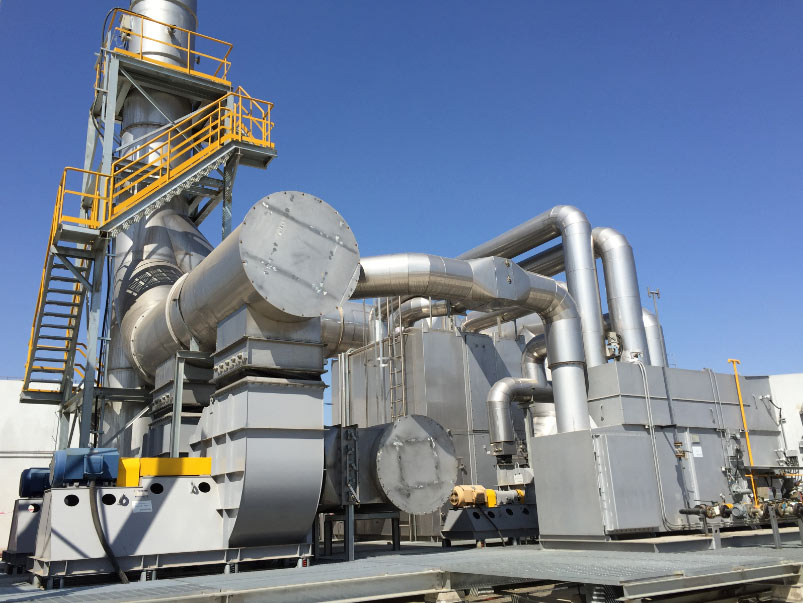

Food and ingredient processing can create fine dust during conveying, mixing, milling, weighing and packaging. PollutionCtrl can discuss a dust collection system that considers product loss, cleanability, filter access, moisture and combustible-dust risk.
Common Food-Process Dust Sources
Dust may be released at ingredient transfer points, mixers, mills, sifters, filling machines, conveyors and bag-dumping stations. Capture points should be designed around the equipment and production sequence.
Hygiene and Maintenance
Accessible filter compartments, suitable seals, controlled dust discharge and a cleaning routine help reduce buildup and unplanned downtime. The final materials and arrangement should reflect the product and local hygiene requirements.
Combustible Food Dust
Many fine organic powders can present combustible-dust hazards. Explosion protection, spark control, isolation and grounding must be evaluated with the site safety team and applicable local standards.
Request an Industrial Dust Collection Quote
Send the dust type, particle size, air volume, inlet concentration, temperature, humidity, operating hours, available space and any combustible-dust requirements. We can review the process and recommend a suitable industrial dust collector configuration.
Food and Ingredient Dust Collection
Dust collectors for food processing may be used at ingredient transfer, milling, mixing, sifting, filling and packaging points. The design should consider cleanability, product recovery, moisture, filter access and combustible food dust. Any ATEX or NFPA requirement must be confirmed from the applicable project documentation; it should not be assumed from the product name alone.