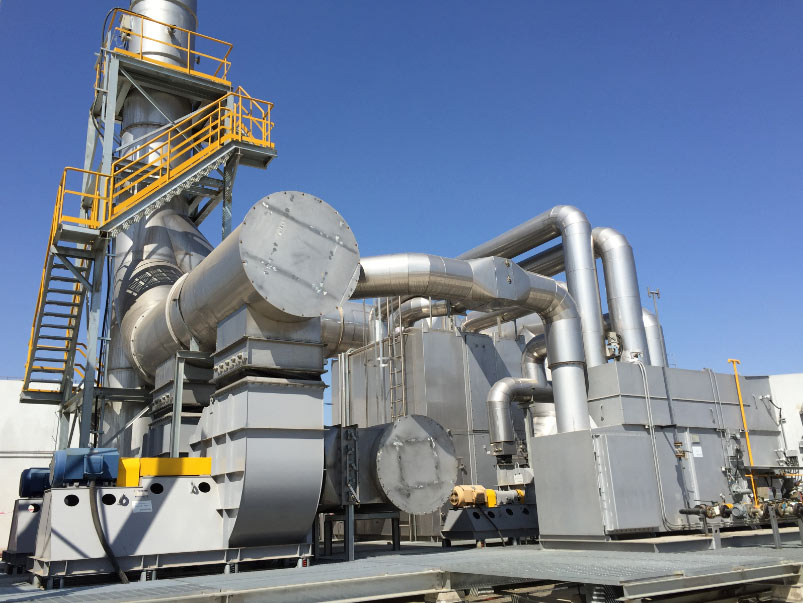

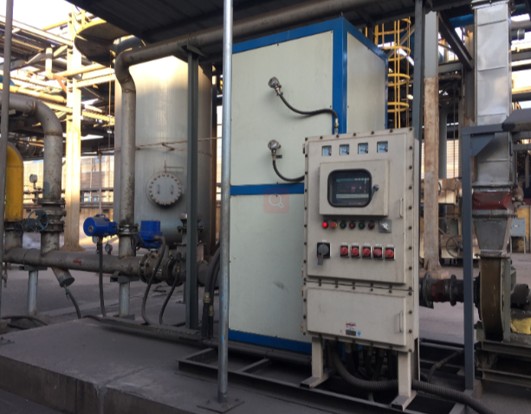
Catalytic oxidizer and catalytic oxidiser are among the highest-impression queries in the current Search Console data. This page explains how catalytic oxidizer equipment is used for industrial VOC treatment and when it should be compared with RTO or thermal oxidizer systems.
How catalytic oxidation works
A catalytic oxidizer uses a catalyst bed to promote VOC oxidation at a lower temperature than direct thermal oxidation. With suitable gas composition and pretreatment, it can reduce fuel use and provide stable VOC destruction performance.
Suitable applications
- Coating and printing VOC exhaust
- Chemical process organic waste gas
- Pharmaceutical and laboratory solvent exhaust
- Rubber and plastic odor/VOC treatment
- Low to medium concentration VOC streams
- Exhaust gas after adsorption concentration systems
Important selection factors
- VOC type and concentration
- Catalyst compatibility and poisoning risk
- Dust, oil mist, sulfur, halogens or silicon compounds
- Inlet temperature and humidity
- Required destruction efficiency
- Heat recovery and fuel consumption
- Safety design and LEL monitoring
Catalytic oxidizer vs RTO
A catalytic oxidizer can be efficient for stable gas streams that do not poison the catalyst. RTO systems are often preferred for large air volume, variable concentration or harsher industrial exhaust conditions. Thermal oxidizers may be used when direct high temperature oxidation is required.
Related equipment pages
Catalytic oxidizer: https://pollutionctrl.com/catalytic-oxidizer-3/
Regenerative thermal oxidizer: https://pollutionctrl.com/regenerative-thermal-oxidizer/
Thermal oxidizer: https://pollutionctrl.com/thermal-oxidizer/
Request equipment selection
Send VOC composition, concentration, airflow, temperature and emission target. PollutionCtrl can help compare catalytic oxidizer, RTO, thermal oxidizer, adsorption and vapor recovery systems.