
Oil Vapor Recovery and VOC Control for Tank Farms, Loading Areas and Gas Stations
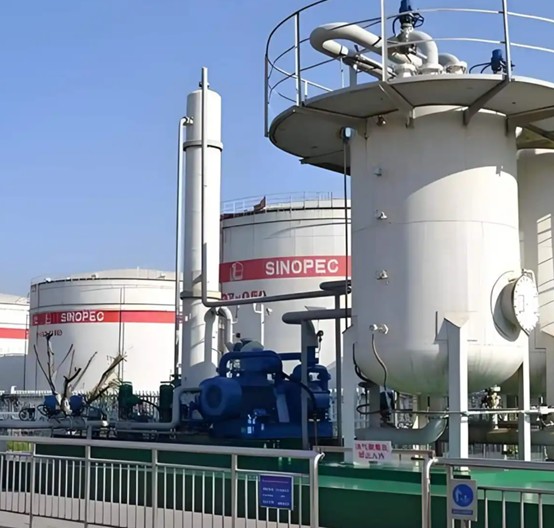
Oil vapor recovery systems are used to reduce VOC emissions from gasoline loading, oil storage tanks, tank farms, terminals, chemical storage and gas stations. Buyers often search for oil vapor recovery system, VOC vapor recovery unit, tank farm VOC control, loading area vapor recovery and gasoline vapor treatment.
Why oil vapor recovery is important
Oil vapor contains volatile organic compounds that can cause odor, product loss, safety risk and air pollution. A well designed vapor recovery system can capture and recover valuable hydrocarbons while helping meet emission requirements.
Typical vapor sources
- Tank truck loading and unloading
- Oil storage tank breathing gas
- Gasoline station vapor return
- Chemical solvent storage and transfer
- Petrochemical terminal exhaust
- VOC-rich process vents
Common treatment technologies
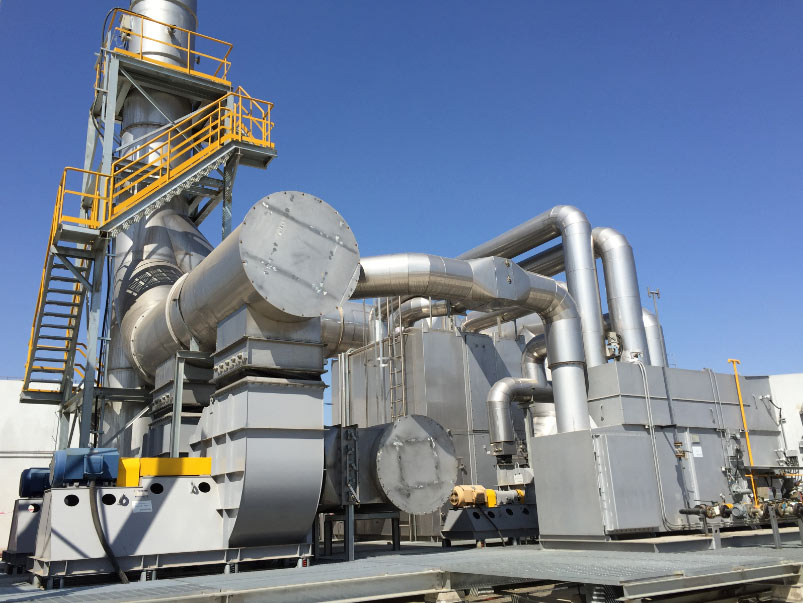
Oil vapor recovery may use condensation, adsorption, absorption, membrane separation or a combined process. For streams that cannot be economically recovered, catalytic oxidation or thermal oxidation may be considered depending on concentration and safety conditions.
What data is needed for design
- Gas flow rate and operating schedule
- VOC composition and concentration
- Temperature and pressure
- Explosion-proof requirements
- Recovery target or emission limit
- Site layout and installation space
- Continuous or intermittent operation mode
Related VOC treatment guide
For a broader comparison of VOC and odor control equipment, visit: https://pollutionctrl.com/industrial-voc-and-odor-control-equipment-selection-guide/
Request system selection support
PollutionCtrl can help evaluate vapor recovery, activated carbon adsorption, catalytic oxidation and thermal oxidizer options for oil vapor and VOC control projects.