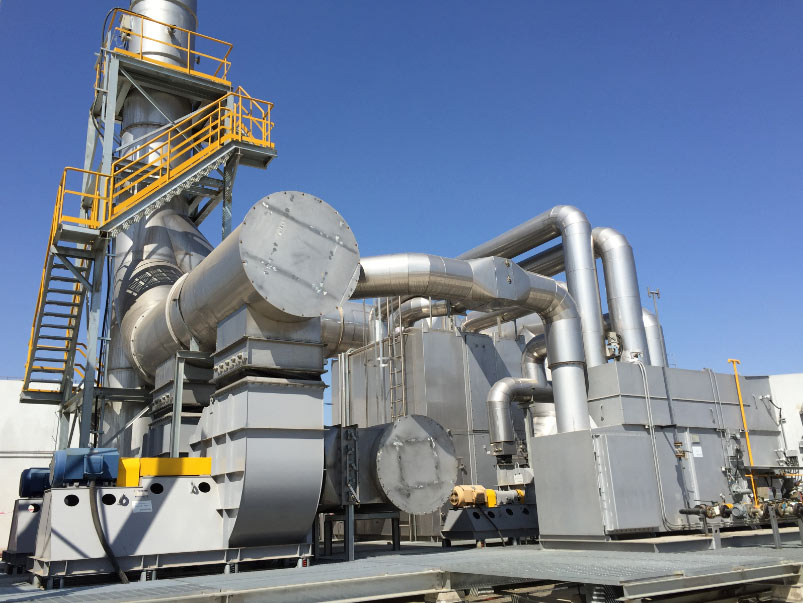

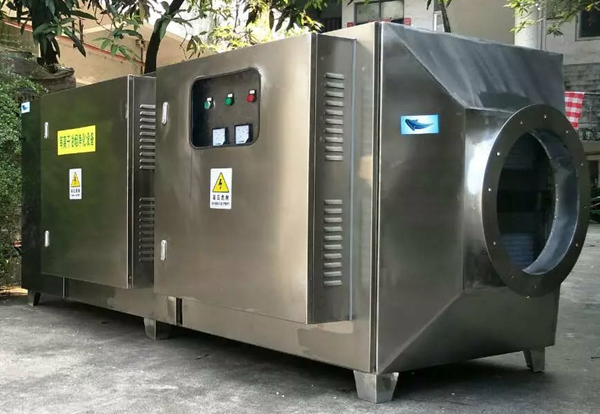
RTO, catalytic oxidizer, and low-temperature plasma equipment solve different exhaust gas problems. RTO is usually selected for medium to high VOC concentration and stable industrial exhaust. Catalytic oxidizers are suitable for oxidizable VOCs at lower operating temperatures when the gas does not contain catalyst poisons. Low-temperature plasma is more suitable for low to medium concentration odor gases such as wastewater odor, sludge odor, garbage station odor, and mixed industrial odor.
The right selection depends on concentration, air volume, gas composition, humidity, temperature, operating schedule, and discharge target.
Quick comparison
| Equipment | Best for | Main advantage | Main limitation |
|---|---|---|---|
| RTO | Stable VOC exhaust with recoverable heat | High destruction efficiency and heat recovery | Larger footprint and higher capital cost |
| Catalytic oxidizer | VOC exhaust compatible with catalyst | Lower oxidation temperature | Catalyst poisoning risk |
| Low-temperature plasma | Odor and low-concentration mixed gases | Compact and fast start-up | Not ideal for very high VOC concentration |
| Microwave UV oxidation | Wastewater, sludge, garbage and mixed odor | Strong oxidation and photolysis | Needs correct humidity and residence time design |
| Activated carbon | Low concentration VOC polishing | Simple operation | Media replacement and saturation risk |
When to choose RTO
Choose RTO when VOC concentration is stable, air volume is large, and heat recovery can reduce fuel consumption. RTO is common in coating, printing, chemical, pharmaceutical, and industrial manufacturing exhaust treatment.
When to choose catalytic oxidizer
Choose catalytic oxidizer when VOC components can be oxidized over catalyst and the gas does not contain catalyst poisons. It can reduce operating temperature compared with direct thermal oxidation.
When to choose plasma odor control
Choose low-temperature plasma when the problem is mainly odor rather than high-load VOC destruction. It is suitable for sewage odor, sludge odor, garbage transfer station odor, and low-concentration industrial odor.
FAQ
Is RTO better than catalytic oxidizer?
RTO is better for stable high-volume VOC exhaust and heat recovery. Catalytic oxidizer can be better when the gas is catalyst-compatible and lower operating temperature is desired.
Can plasma equipment treat VOCs?
Plasma equipment can treat low-concentration VOC odor and mixed odor, but high-concentration VOC streams usually require RTO, catalytic oxidation, adsorption concentration, or other specialized systems.
What is best for wastewater odor?
Wastewater odor is often treated with low-temperature plasma, microwave UV oxidation, scrubbers, activated carbon, or combined systems after proper gas collection.