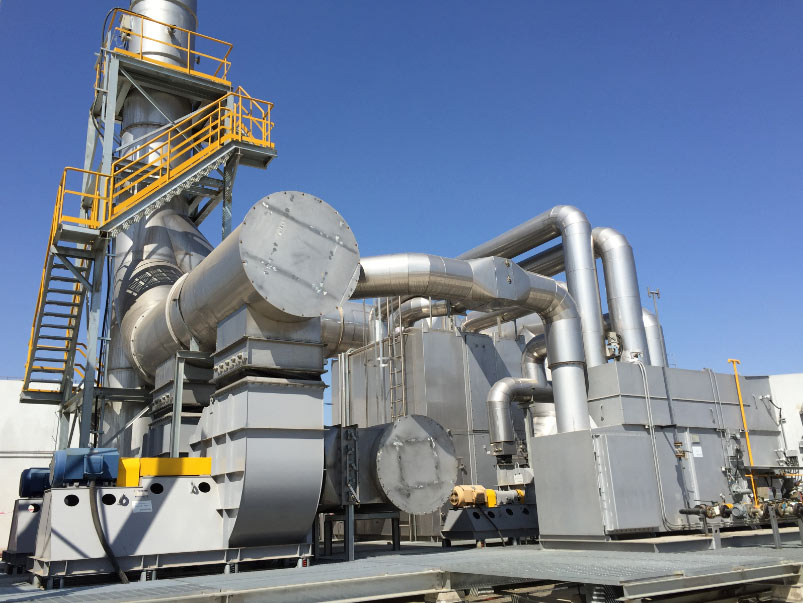

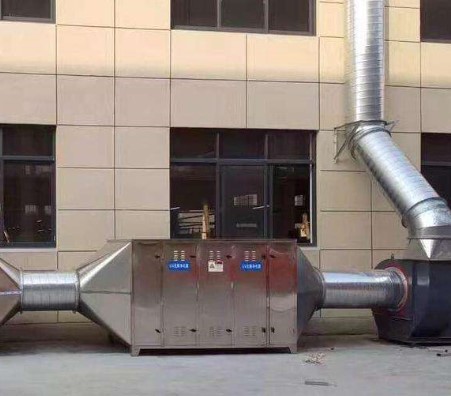
Pump station odor control requires sealing the wet well or odor source, maintaining negative pressure ventilation, and treating the collected gas before discharge. The main pollutants are hydrogen sulfide, ammonia, organic sulfur compounds, and low-concentration VOCs. Common treatment options include low-temperature plasma, microwave UV oxidation, chemical scrubbing, activated carbon adsorption, or combined processes.
Pump stations often have fluctuating odor loads. The gas concentration can rise sharply during warm weather, low flow periods, sludge accumulation, or septic wastewater conditions.
Why pump stations smell
Odor is usually generated when wastewater becomes anaerobic. Sulfate-reducing bacteria produce hydrogen sulfide, and organic matter decomposition releases ammonia and other odor compounds. Poor ventilation and open wet wells allow these gases to escape.
Design points for pump station deodorization
| Design item | Recommendation |
|---|---|
| Source control | Cover wet wells, channels, and openings |
| Air collection | Keep slight negative pressure to prevent odor escape |
| Duct material | Use FRP, PP, stainless steel, or other corrosion-resistant material |
| Pretreatment | Remove moisture and droplets when needed |
| Main treatment | Plasma, microwave UV, scrubber, activated carbon, or combined process |
| Monitoring | Check H2S, odor concentration, fan operation, and pressure balance |
Process options
Low-temperature plasma is suitable for compact pump stations with mixed odor and limited space. Microwave UV oxidation is suitable when stronger oxidation is required for organic odor. Chemical scrubbers are suitable when H2S concentration is high. Activated carbon can be used for low-concentration polishing.
For difficult pump stations, a combined system such as scrubber + plasma or scrubber + activated carbon can improve stability.
FAQ
What causes sewage pump station odor?
The main causes are anaerobic wastewater, hydrogen sulfide formation, ammonia release, organic matter decomposition, and poor gas collection.
How do you stop pump station odor from escaping?
Seal the odor source, maintain negative pressure, and route the gas to deodorization equipment before discharge.
Which equipment is best for small pump stations?
Low-temperature plasma or activated carbon can be suitable for small stations, depending on concentration and humidity. For stronger odor, microwave UV oxidation or a combined process may be better.