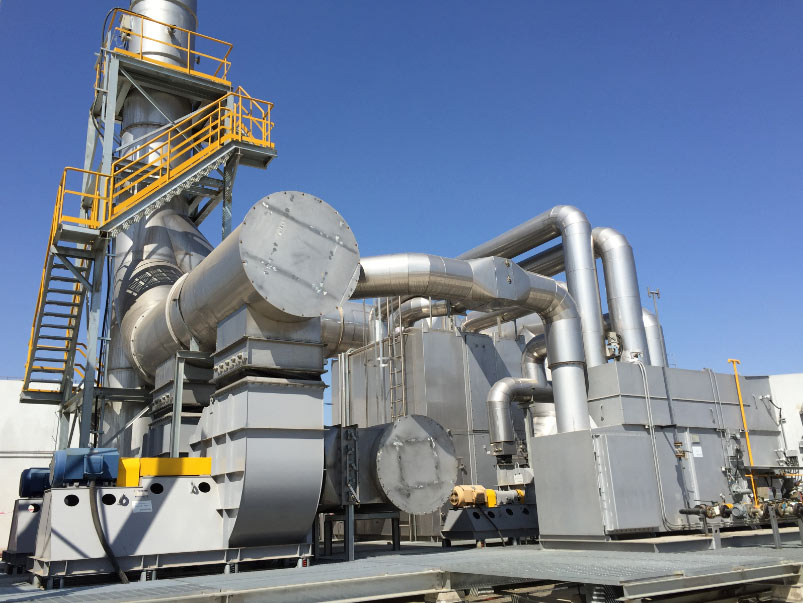

Metalworking shops and production lines may generate welding fumes, grinding dust, cutting particles, oil mist and hot sparks. PollutionCtrl can help review source capture, duct routing, filtration and safety requirements for an industrial metalworking dust collection system.
Source Capture Comes First
Hoods, arms and pickup points should be positioned around the actual emission source. Air volume and capture distance affect fan selection, duct size and the number of simultaneous operating points.
Filter and Safety Review
Cartridge collectors may suit fine fumes, while baghouse or staged systems may be considered for heavier dust loading. Sparks, hot particles, aluminum or other combustible dusts require a separate safety review for grounding, isolation, venting and fire protection.
Information for a Quote
Provide the process description, machines served, operating schedule, dust or fume type, airflow at each point, temperature and any site restrictions. This allows the proposal to reflect the actual metalworking process rather than a generic collector.
Request an Industrial Dust Collection Quote
Send the dust type, particle size, air volume, inlet concentration, temperature, humidity, operating hours, available space and any combustible-dust requirements. We can review the process and recommend a suitable industrial dust collector configuration.
Welding Fume and Metalworking Dust Extraction
Dust collectors for welding fumes and metalworking should be reviewed for hot particles, sparks, oil mist, grinding dust and the number of simultaneous pickup points. Fan and ductwork sizing, spark control, grounding and filter selection should follow the actual machines and materials.