
Coal-Based Powdered Activated Carbon (PAC) – Rapid Adsorption for Liquid Phase Treatment
Raw Material: Bituminous Coal / Lignite
Applications: Water Treatment, Wastewater Treatment, Decolorization, Emergency Contaminant Removal
Keywords: Powdered Activated Carbon, PAC, Water Treatment Carbon, Decolorization Carbon, COD Reduction, Wastewater Treatment Carbon
Product Overview
Coal-based Powdered Activated Carbon (PAC) is widely used in liquid-phase treatment processes for the adsorption of dissolved organic compounds, color-causing substances, taste and odor compounds, and trace contaminants.
Due to its fine particle size and large external surface area, PAC can be dispersed directly into water treatment processes, allowing rapid contact between the carbon and contaminants. The material is commonly used in municipal water treatment plants, industrial wastewater systems, decolorization processes, landfill leachate treatment, and emergency treatment applications.
Different grades are available according to adsorption requirements, particle size distribution, and target contaminants.
Key Features
Fine Particle Size
The small particle size provides a short diffusion path and rapid adsorption characteristics, making PAC suitable for applications requiring relatively short contact times.
Organic Contaminant Removal
PAC is commonly used for removal of dissolved organic compounds that contribute to color, odor, taste, and elevated COD levels.
Process Flexibility
The carbon can be introduced directly into process tanks, mixing basins, clarifiers, or treatment trains without the need for fixed adsorption vessels.
Compatibility with Existing Systems
PAC is frequently incorporated into existing treatment processes as a supplemental treatment step during seasonal events, process upsets, or temporary increases in contaminant loading.
Broad Application Range
Suitable for municipal, industrial, environmental remediation, and specialty treatment applications.
Typical Technical Data
| Parameter | Typical Range |
|---|---|
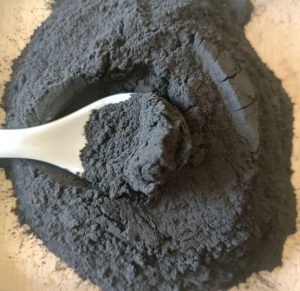
| Appearance | Black Powder |
| Particle Size | 90% Passing 200–325 Mesh |
| Iodine Number | 800–1000 mg/g |
| Methylene Blue Value | 150–200 mg/g |
| Moisture Content | ≤10% |
| Ash Content | ≤15% |
| pH | 6–9 |
Actual specifications may vary according to product grade and application requirements.
Typical Applications
Municipal Water Treatment
Used for removal of taste and odor compounds, algal metabolites, natural organic matter, and trace contaminants in drinking water treatment systems.
Industrial Wastewater Treatment
Applied for adsorption of dissolved organic compounds and refractory pollutants that may contribute to elevated COD levels.
Decolorization Processes
Used in textile, sugar, food processing, chemical, and pharmaceutical industries to reduce color in process streams and wastewater.
Landfill Leachate Treatment
Can be incorporated into treatment systems to reduce dissolved organic carbon and selected organic contaminants.
Groundwater Remediation
Used in pump-and-treat systems and other remediation processes involving hydrocarbon-contaminated groundwater.
Packaging and Storage
Packaging
Available in:
25 kg bags
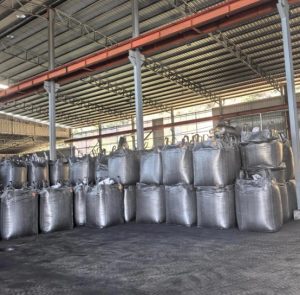
500 kg bulk bags
1000 kg jumbo bags
Customized packaging options
Storage Recommendations
Store in a dry, ventilated location and protect from moisture exposure. Appropriate dust control measures should be implemented during handling and transfer operations.
Engineering Support
Technical assistance may include:
Product grade selection
Jar testing support
Dosage evaluation
Process optimization
Carbon consumption estimation
Treatment performance assessment
Selection Considerations
Selection of powdered activated carbon typically depends on:
Target contaminant characteristics
COD concentration
Color removal requirements
Contact time availability
Mixing conditions
Sludge handling capacity
Regulatory requirements
Operating cost objectives
A review of water quality data and treatment objectives can help determine the most suitable PAC grade and dosing strategy for a specific application.
Related Products