
Coal-based granular activated carbon For Sewage Treatment
Raw Material: Bituminous Coal / Anthracite
Applications: Municipal Wastewater Treatment, Industrial Effluent Treatment, Biological Activated Carbon (BAC) Systems
Keywords: Coal GAC, Wastewater Activated Carbon, Municipal Sewage Treatment, Industrial Effluent Treatment, BAC Filter Media, COD Reduction, BOD Reduction
Product Overview
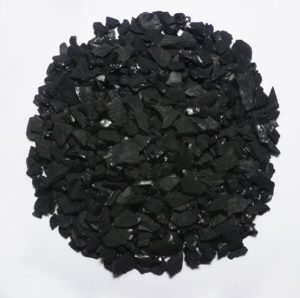
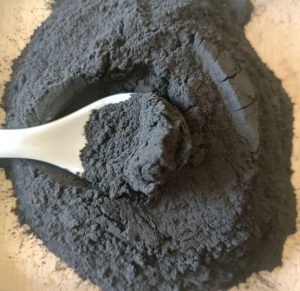
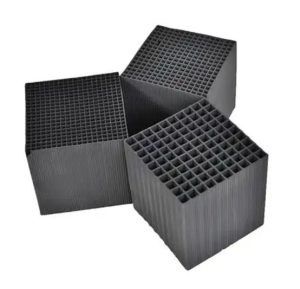
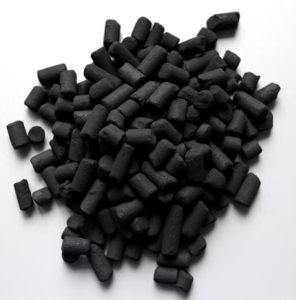
Coal-based Granular Activated Carbon (GAC) is widely used in municipal and industrial water treatment systems for the removal of dissolved organic compounds, color, odor-causing substances, and trace contaminants.
Produced from selected coal feedstocks, the material develops a pore structure containing both micropores and mesopores, allowing adsorption of a broad range of organic molecules commonly found in wastewater streams. Its mechanical strength makes it suitable for fixed-bed filters, deep-bed adsorption systems, and Biological Activated Carbon (BAC) applications that require periodic backwashing.
Different grades can be supplied according to adsorption requirements, hydraulic loading conditions, and target contaminant characteristics.
Key Features
Mesoporous Structure for Organic Removal
The pore size distribution supports adsorption of larger organic molecules such as humic substances, dyes, proteins, and other dissolved organics frequently encountered in municipal and industrial wastewater.
Mechanical Durability
High hardness and abrasion resistance help reduce media loss during hydraulic transport and backwashing operations.
Compatibility with BAC Systems
The carbon surface provides a suitable environment for microbial colonization, allowing adsorption and biological degradation processes to occur simultaneously in BAC applications.
Hydraulic Performance
Appropriate particle sizing supports water flow distribution while maintaining acceptable pressure loss within filtration systems.
Regeneration Potential
Depending on contaminant loading and operating conditions, spent carbon may be suitable for thermal reactivation or replacement programs.
Typical Technical Data
| Parameter | Typical Range |
|---|---|
| Appearance | Granular or Crushed |
| Iodine Number | 800–1050 mg/g |
| Methylene Blue Value | 150–200 mg/g |
| Hardness | ≥95% |
| Moisture Content | ≤5% |
| Ash Content | ≤10% |
| Particle Sizes | 8×30 Mesh, 12×40 Mesh, 1.5–2.5 mm |
Actual specifications may vary according to product grade and application requirements.
Typical Applications
Municipal Wastewater Treatment
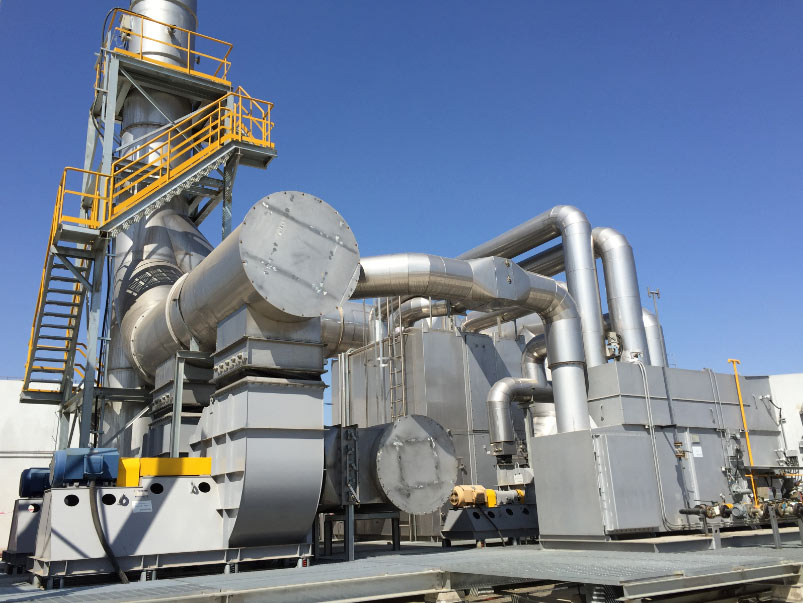
Used as a polishing stage following biological treatment to reduce residual organic compounds, color, odor, and trace contaminants before discharge or reuse.
Industrial Effluent Treatment
Applied in treatment systems for textile, chemical, petrochemical, paper, food processing, and other industrial wastewater streams containing dissolved organic pollutants.
Biological Activated Carbon (BAC) Filters
Functions as both adsorption media and microbial support material in advanced treatment processes, including ozone-BAC systems and water reuse applications.
Odor Control Systems
Can be used in treatment units designed to remove odor-causing compounds associated with wastewater collection and treatment facilities.
Water Reuse and Reclamation
Supports advanced treatment objectives for industrial reuse, irrigation, cooling water applications, and other non-potable reuse systems.
Packaging and Storage
Packaging
Available in:
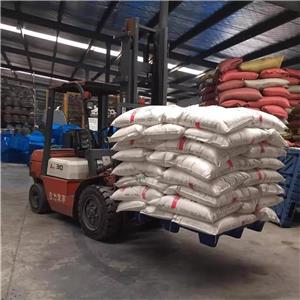
25 kg bags
500 kg bulk bags
Customized packaging options
Storage Recommendations
Store in a dry, ventilated location and protect from moisture exposure. Packaging should remain sealed until use.
Engineering Support
Technical support may include:
Activated carbon grade selection
Empty Bed Contact Time (EBCT) evaluation
Bed depth recommendations
Hydraulic loading assessment
Carbon replacement planning
BAC process optimization
Selection Considerations
Selection of activated carbon for wastewater treatment typically considers:
COD and BOD concentrations
Organic contaminant characteristics
Color and odor removal requirements
Hydraulic loading rate
Backwashing frequency
Contact time requirements
Media service life expectations
Regeneration strategy
A review of wastewater characteristics and treatment objectives can help determine the most appropriate activated carbon grade for a specific application.
Related Products