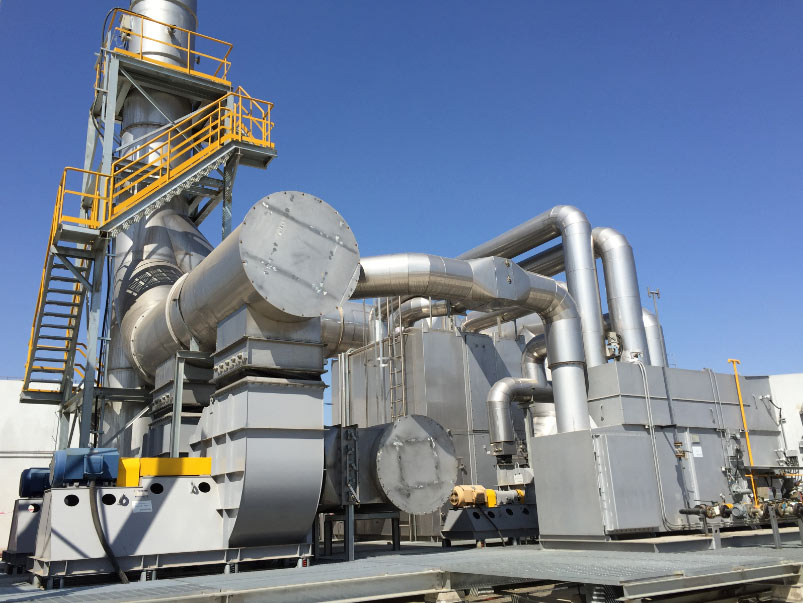

VRU spare parts and service support for real operating sites
A vapor recovery unit is not only a skid that gets shipped once. For oil storage tanks, loading racks, terminals and solvent recovery projects, long-term operation depends on practical spare parts planning, clear maintenance records and fast after-sales communication. This page explains what PollutionCtrl normally checks when buyers ask for VRU spare parts, replacement components or service support.
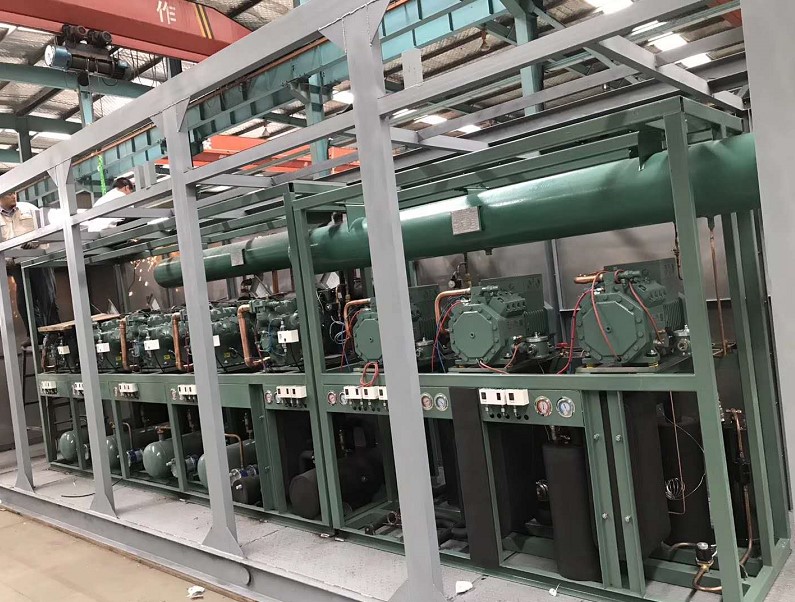
VRU equipment reference for spare parts review
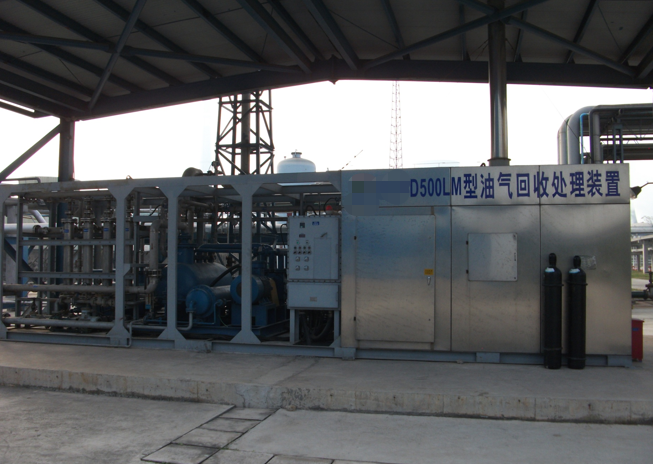
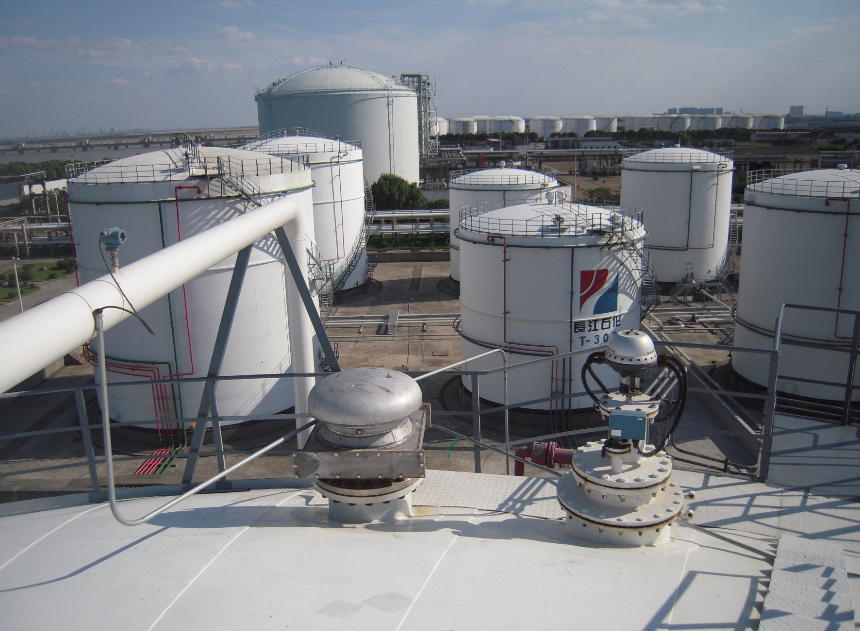
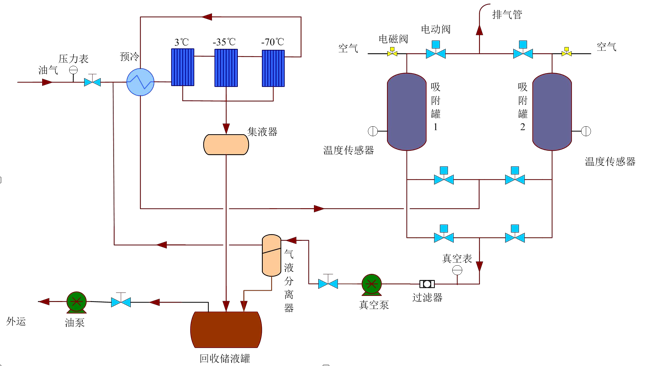
What spare parts are normally discussed
For an oil gas vapor recovery system, the spare parts discussion usually covers filters, valves, gaskets, pressure and temperature instruments, electrical components, control cabinet parts, pump or compressor accessories, adsorbent-related consumables and selected safety components. The useful list depends on whether the unit uses condensation, adsorption, absorption, compression or a combined process.
Why a generic parts list is not enough
Two VRU systems can look similar from the outside but have different vapor composition, flow fluctuation, hazardous area requirements and control logic. A spare part that works for one tank farm or loading rack may not fit another site. Before quoting, we normally check the vapor source, equipment photos, drawings, nameplates and operation history.
Information to send for service review
Useful information includes equipment model, process route, site photos, alarm screenshots, maintenance record, operating hours, vapor source, product name, temperature, pressure and any available P&ID or wiring drawings. If the original drawings are not complete, clear photos of the skid, control panel and instrument tags are still helpful.
Support for overseas buyers
For overseas projects, the goal is to reduce uncertainty before shipment. We can help prepare a recommended spare parts list, review replacement scope, check serviceable components and explain what should be confirmed before ordering. For urgent cases, photos and short operating videos often help us narrow the problem faster than a long email alone.
Request spare parts or service support
To request VRU spare parts or after-sales service, send the equipment photos, model information, site application, process route and the part you want to replace. If you are not sure which part failed, describe the symptom and include alarm records or operating data.
What to send for VRU spare-parts matching
For an accurate spare-parts recommendation, send the equipment nameplate, part photo, drawing or wiring reference, process route, site application and the symptom or maintenance reason. A clear photo of the tag is often more useful than a generic part name.
- Equipment model, serial number and original project information
- Valve, instrument, filter, compressor, control-panel or adsorbent details
- Alarm record, operating pressure, temperature and recent maintenance history
- Required quantity, delivery destination and preferred replacement schedule
For new projects, combine the spare-parts list with installation and commissioning and the VRU RFQ data sheet before finalizing the equipment scope.
FAQ
Which spare parts should be prepared for a vapor recovery unit?
Common VRU spare parts include valves, instruments, filters, sealing parts, electrical components, adsorbent-related consumables and selected control parts. The exact list depends on the process route and site operation schedule.
Can spare parts be quoted without the original equipment model?
A preliminary list can be prepared from photos, process description and nameplate information, but final matching should be checked against drawings, model numbers and operating conditions.
What information helps after-sales service for overseas VRU projects?
Useful information includes site photos, equipment nameplate, alarm record, process flow, operating hours, maintenance history, spare parts list and the actual vapor source.