

Project Overview
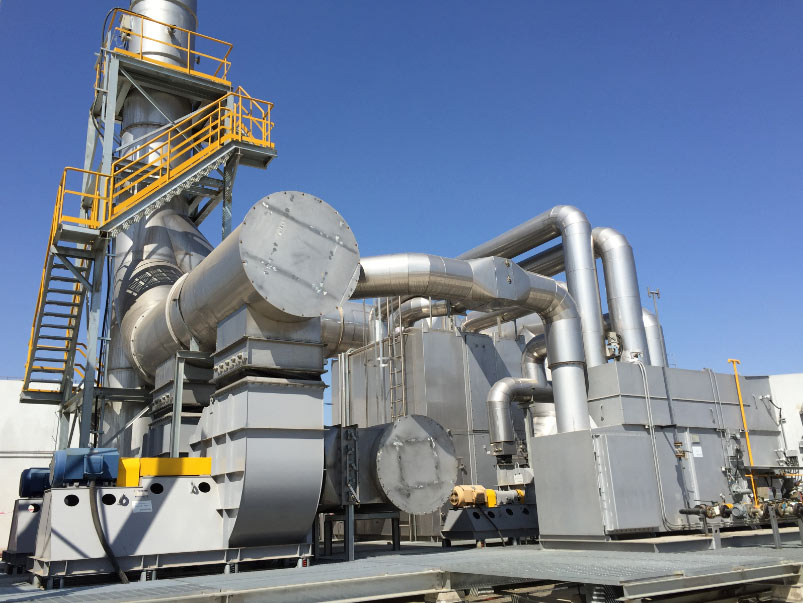
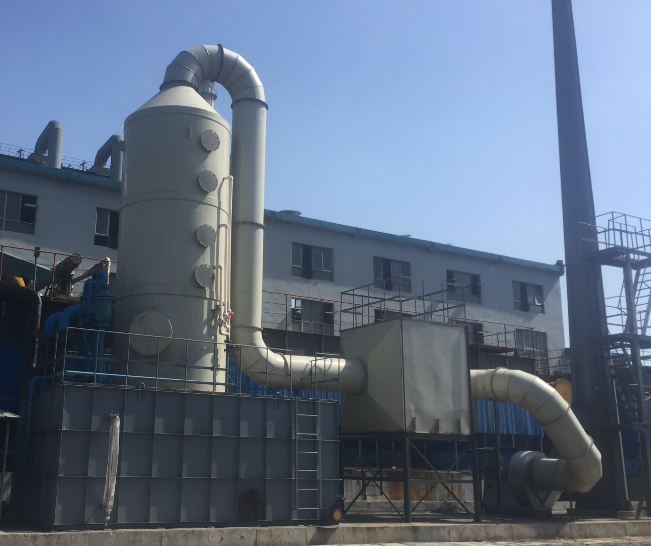
Pig breeding base: manure holding tanks and a small composting shed. Design air volume: 6,800 m3/h.
Odor Components
Ammonia, hydrogen sulfide, indole and skatole
Operating Challenges
Multiple odor points treatable as independent zones; intermittent odor generation; site is off the main road but close to villages.
Treatment Process
Enclosure negative-pressure collection → water scrubber pretreatment → MW-UV catalytic oxidation unit, with spatial atomization deodorization as auxiliary suppression
Main Equipment
Corrosion-resistant fan, scrubber tower, MW-UV oxidation unit, botanical liquid atomization unit
Treatment Results
Boundary manure odor markedly reduced; no odor spread to surrounding farmland or villages.
Operating Cost
0.50–0.59 CNY / 1,000 m3 of exhaust gas
Technical Highlights
Zoned independent treatment; MW-UV + botanical atomization combination balances treatment efficiency with in-zone odor suppression.
This project uses a Microwave UV Oxidation combined process. Learn more about the technology on our Microwave UV Oxidation equipment page. For a similar design, contact us at info@pollutionctrl.com / WhatsApp +86 19833770783.