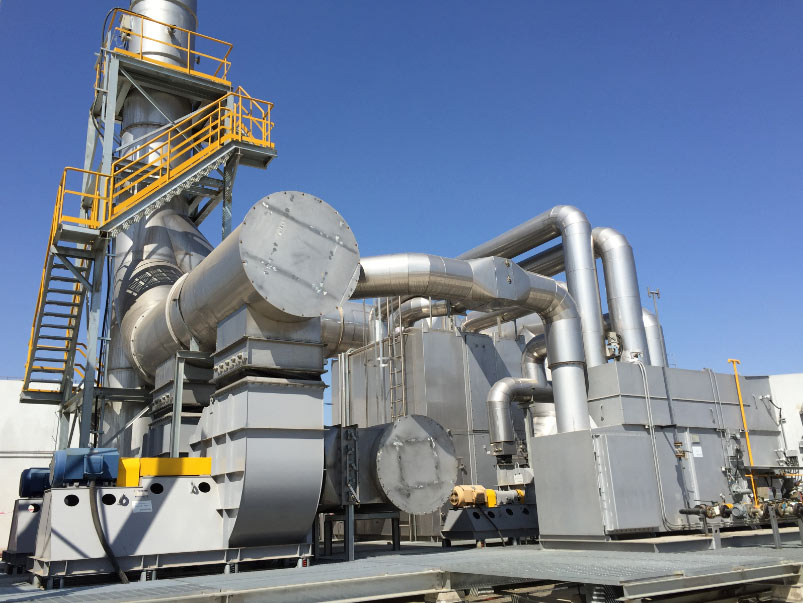

Adsorption and Absorption for VOC Recovery for real project discussions
Adsorption and Absorption for VOC Recovery is not a one line equipment choice. For VOC recovery projects that compare solid adsorbent and liquid absorbent routes, the right vapor recovery route depends on the vapor source, peak flow, composition, operating rhythm and site safety limits. This page explains what PollutionCtrl normally checks before recommending a vapor recovery unit, a condensation and adsorption route, an adsorption and absorption system, or another VOC control option.
Where this inquiry usually starts
Buyers often start with the keyword “adsorption absorption VOC recovery”, but the first useful question is simpler: where does the vapor come from, and how does it change during operation? In VOC recovery projects that compare solid adsorbent and liquid absorbent routes, the vapor load can rise quickly during filling, loading, heating, pressure change or product transfer. A design based only on average flow may miss the peak condition.
Engineering points to check
The main review points are absorbent compatibility, bed switching, solvent recovery and wastewater impact. These details affect equipment size, control logic, safety devices, recovered liquid handling and operating cost. If the vapor includes water, heavy hydrocarbons, benzene, methanol, mixed solvents or unstable composition, the process route should be checked more carefully before a price is confirmed.
Possible process route
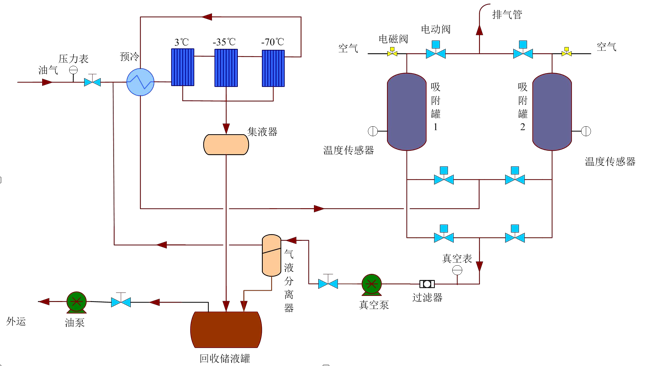
A VRU may use condensation, adsorption, absorption, compression, gas liquid separation or a combined process. For some sites, recovery is the main goal. For others, safe VOC control and stable discharge are more important. When recovery is not practical, the project may need to compare a VRU with thermal oxidation, catalytic oxidation, activated carbon polishing or another VOC treatment system.
What we avoid guessing
We do not invent recovery rate, outlet concentration, hazardous area classification or compliance results from a page title. Those numbers should come from project data, local requirements and final process design. If you do not have a full gas analysis yet, send the available information and we can help build a data checklist.
Request a quote
To discuss adsorption absorption VOC recovery, send vapor source, product name, flow range, composition if known, temperature, pressure, working hours, loading or breathing pattern, installation area, utilities and required delivery scope. Photos, P&ID sketches or a short process description are also useful.
FAQ
What information is needed for adsorption absorption VOC recovery?
For a useful review, send vapor source, air or vapor flow, composition if known, temperature, pressure, operating hours, loading or breathing pattern, site layout and safety requirements. If some data is missing, PollutionCtrl can start with assumptions and list what should be confirmed.
Can this page be used for an early budget inquiry?
Yes. Early inquiries are common. A budget range can be discussed from basic process information, but final equipment scope should wait until vapor composition, peak flow and site interfaces are checked.
Do you provide a fixed compliance promise?
No. Emission and safety requirements depend on local rules, test method, site conditions and final process design. We can help review the technical route and the data needed for a project specification.