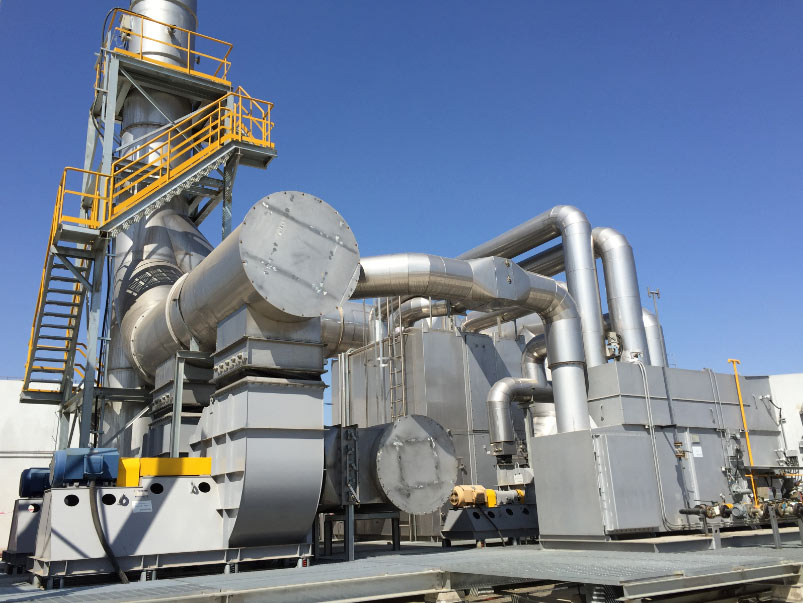

RTO for printing and packaging VOC emissions
Printing and packaging lines can produce solvent VOC emissions from ink mixing, coating, gravure or flexographic printing and drying ovens. An RTO review should follow the real exhaust sources, airflow changes, solvent concentration and production schedule.
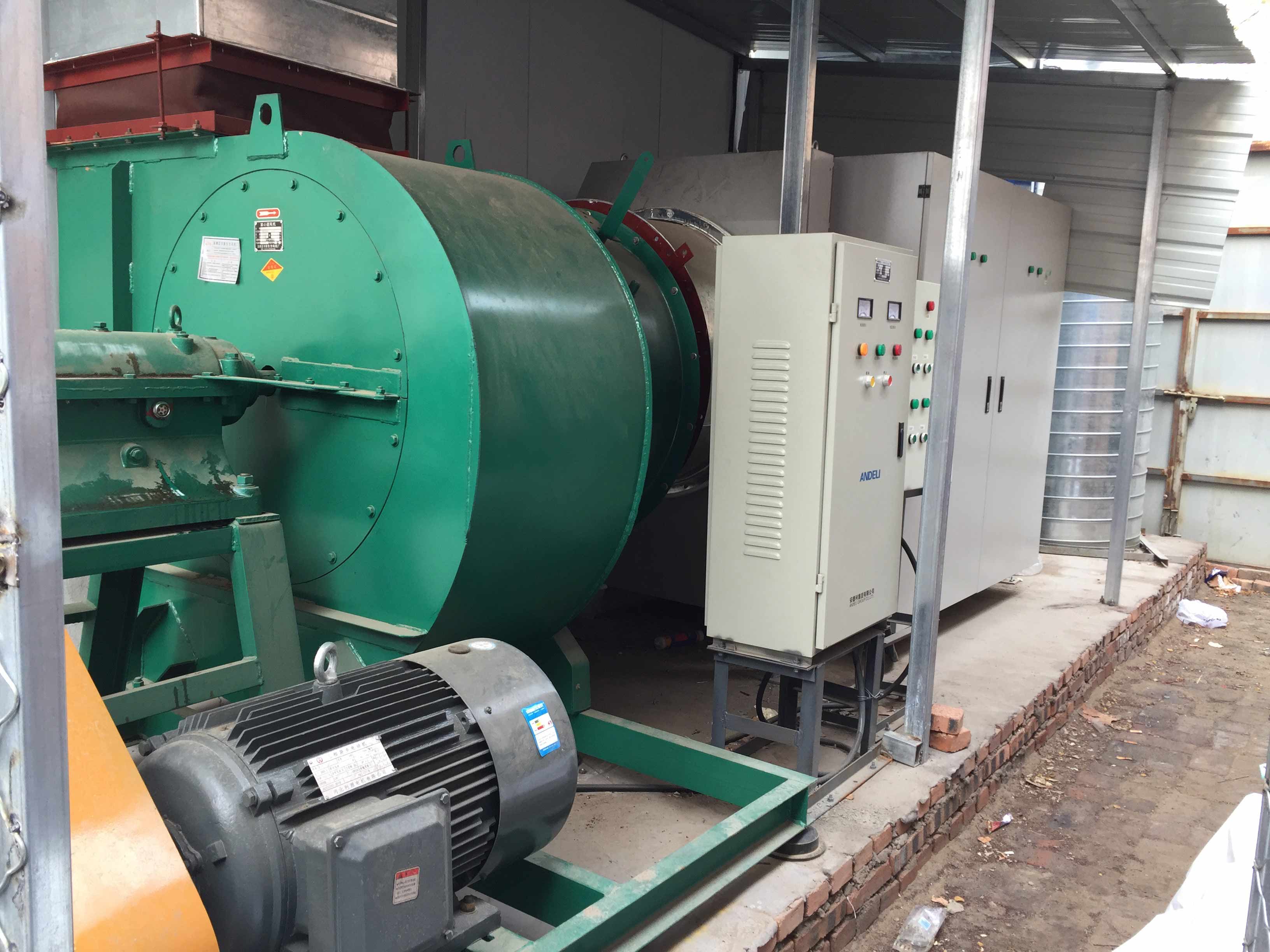
When an RTO is considered for printing VOCs
- Solvent-based inks, coatings or laminating processes produce a stable enough VOC load for thermal oxidation
- Drying ovens and exhaust fans create a defined process stream
- Heat recovery can be used for ovens or plant utilities
- VOC concentration, oxygen, temperature and safety conditions can be measured
Printing-line data needed for preliminary sizing
Send press type, ink or solvent information, airflow for each exhaust point, normal and peak VOC concentration, exhaust temperature, humidity, operating hours, oven details, fan control, available utilities and hazardous-area requirements. Particulate or ink mist should also be reviewed before the RTO inlet.
RTO, concentration and catalytic oxidation
Direct RTO treatment is not automatically the best route for every printing line. The comparison may include a concentration stage, catalytic oxidation or another VOC treatment process, depending on airflow, concentration, solvent type, heat recovery value and required outlet conditions.
Review the industrial RTO system, RTO sizing guide, painting-line RTO guide and VOC treatment system options.
Request a printing VOC treatment review
Send the process description, press or oven photos, exhaust flow and available VOC data for a preliminary review. The final configuration should be confirmed after the source conditions and safety interfaces are checked.