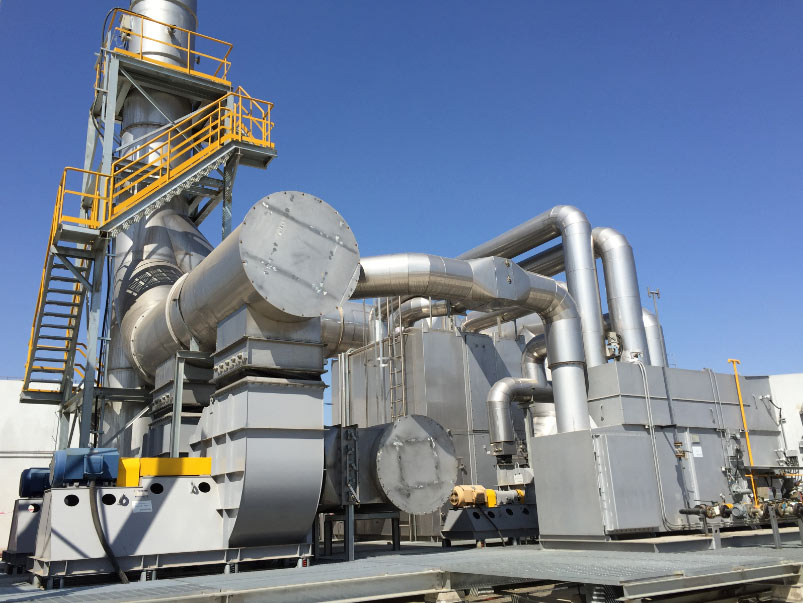

Chlorine Dioxide Generator
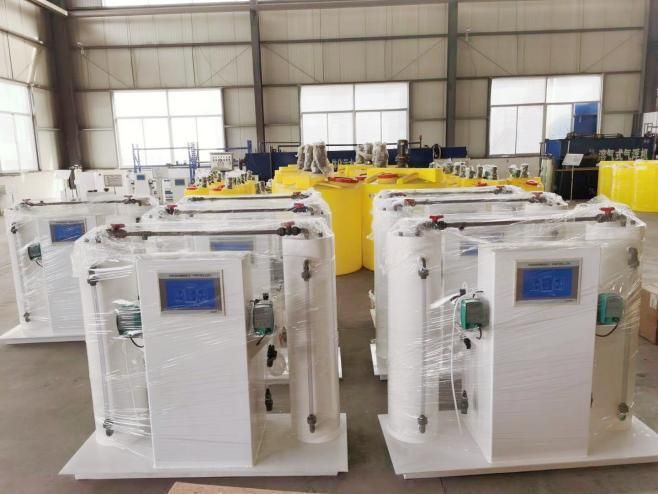
Chlorine dioxide generators and dosing feeders for drinking water, process water and wastewater disinfection — basic, automatic one-piece and electrolytic configurations from 50 to 1,000 g/h.
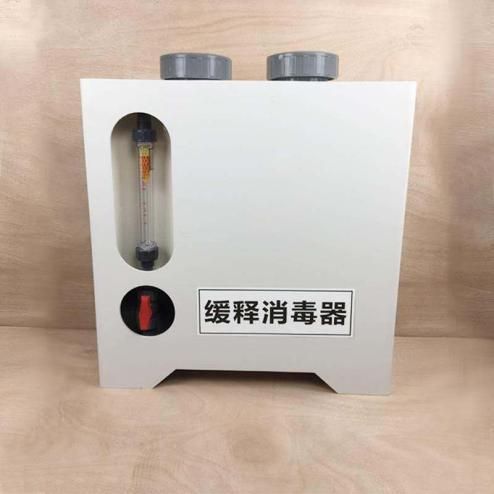
| Model | Effective Cl₂ output (g/h) | Basic generator | Automatic generator | Slow-release disinfector | Electrolytic generator | Dosing feeder |
|---|---|---|---|---|---|---|
| 50 | 50 | ✓ | ✓ | ✓ | ✓ | ✓ |
| 100 | 100 | ✓ | ✓ | ✓ | ✓ | ✓ |
| 200 | 200 | ✓ | ✓ | ✓ | ✓ | ✓ |
| 300 | 300 | ✓ | ✓ | ✓ | ✓ | ✓ |
| 500 | 500 | ✓ | ✓ | ✓ | ✓ | ✓ |
| 600 | 600 | ✓ | ✓ | — | ✓ | ✓ |
| 800 | 800 | ✓ | ✓ | — | ✓ | ✓ |
| 1000 | 1000 | ✓ | ✓ | — | ✓ | ✓ |
Optional extras include residual chlorine sensors, flow meters, chemical storage tanks, dissolvers, dosing pumps and acid-unloading pumps.
Need this equipment sized for your project?
Send us your flow rate, influent and target effluent parameters and our engineers will recommend the right configuration.
Contact Our Engineering TeamChlorine Dioxide Generators — Water Disinfection
Chlorine dioxide is a powerful oxidant for drinking water, process water and wastewater disinfection. Generators are available in basic, automatic one-piece and electrolytic configurations, from 50 to 1,000 g/h.
How is chlorine dioxide generated?
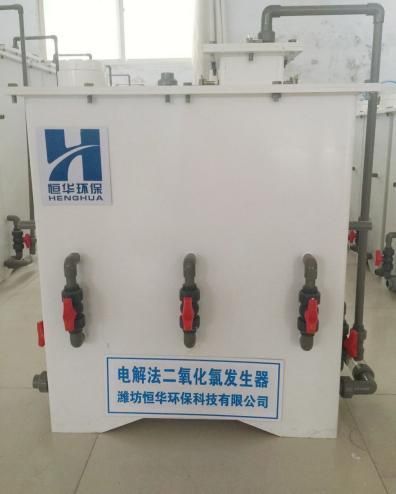
Basic and automatic generators produce chlorine dioxide from chemical feedstocks; electrolytic generators produce it on-site by electrolysis. Output ranges from 50 to 1,000 g/h across the standard range.
What are the applications?
Drinking water disinfection, process water treatment, wastewater effluent disinfection and odour control.
What optional equipment is available?
Residual chlorine sensors, flow meters, chemical storage tanks, dissolvers, dosing pumps and acid-unloading pumps can be added as required.
Chlorine Dioxide Generator Selection Notes
Application: The chlorine dioxide generator is used for disinfection in wastewater treatment plants, hospital wastewater systems, water purification and process water applications.
Key sizing data: Confirm treated water flow, required residual disinfectant, contact time, dosing point, chemical storage conditions, automation level and local disinfection requirements.
System context: This product can be used as one part of a complete industrial wastewater treatment equipment and waste water treatment systems package. For comparison, see Small Hospital Wastewater Treatment Unit.
Request a quotation: Send wastewater source, daily flow, peak flow, COD, BOD, SS, oil and grease, ammonia nitrogen, pH, discharge standard and site country so our engineers can recommend a suitable configuration.